

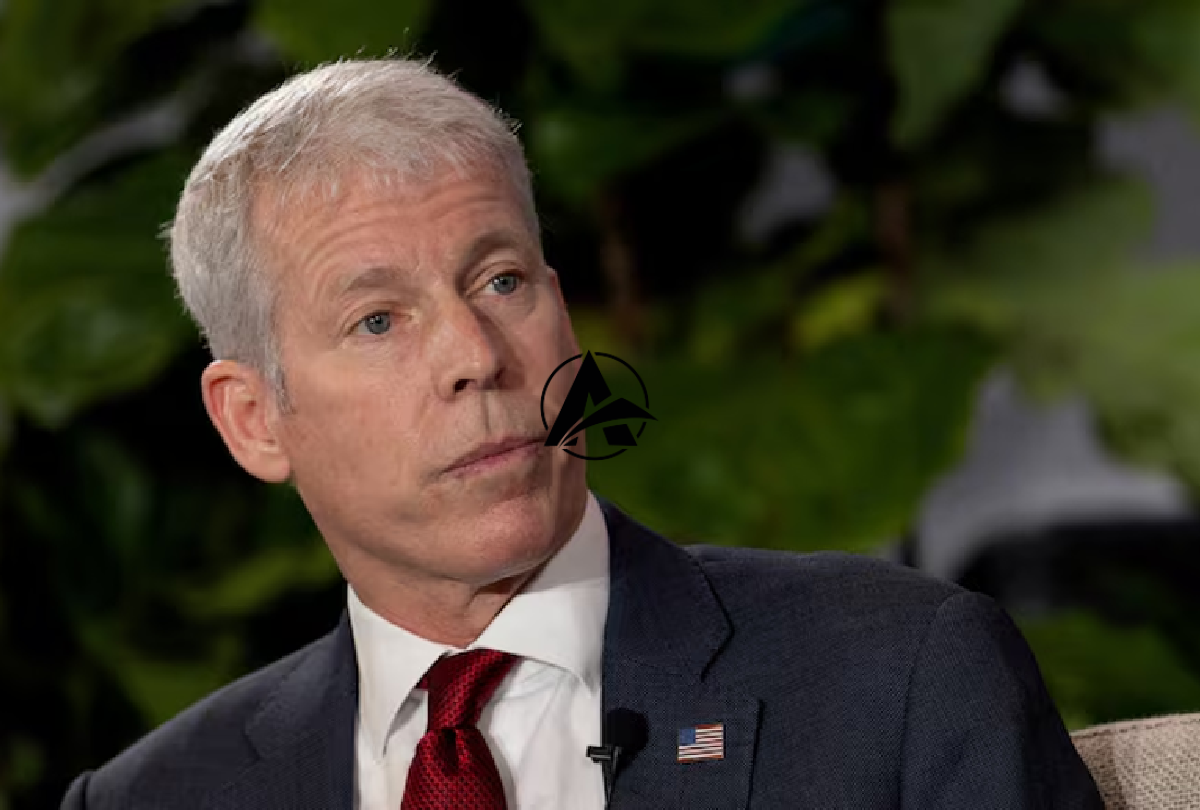

The United States is rapidly working to grant Chevron an expanded license for its operations in Venezuela. Energy Secretary Wright confirmed this development to Reuters. This signals a strategic U.S. move. The expansion could substantially increase Chevron’s oil export capacity under new license terms.
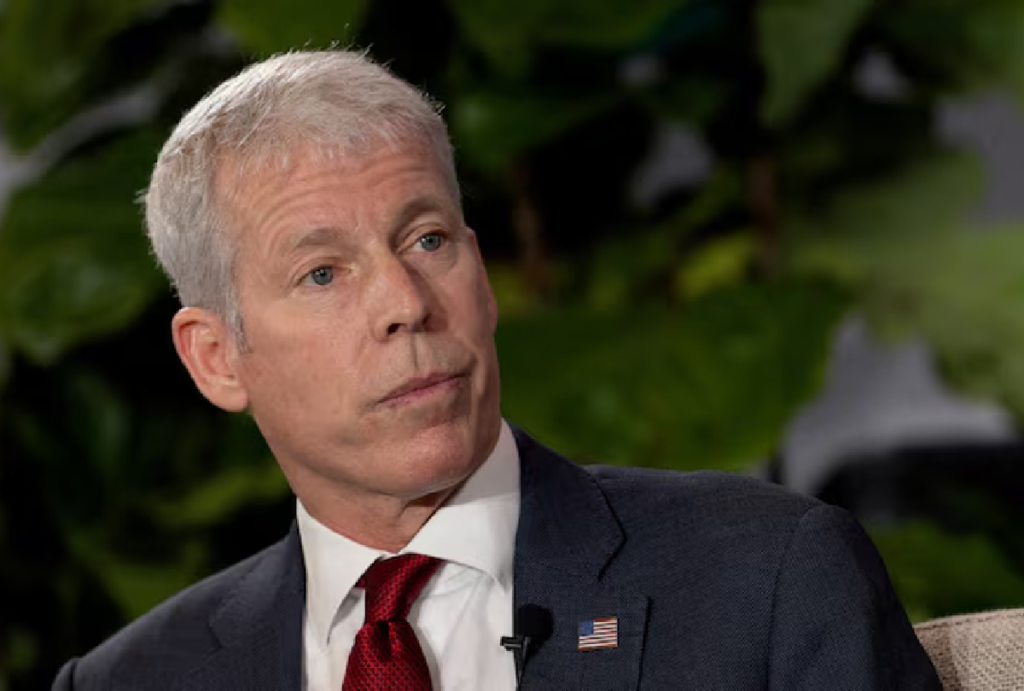
Potential for Increased Oil Exports
Secretary Wright emphasized the swift pace of this governmental action. The U.S. aims to finalize the expanded license quickly. New terms specifically target an increase in Chevron’s operational scope. This directly impacts its ability to export larger volumes of Venezuelan crude oil. It represents a notable adjustment in U.S. energy policy concerning Venezuela.
Strategic U.S. Objectives Unveiled
Beyond immediate operational changes, Secretary Wright also outlined broader U.S. objectives regarding Venezuelan oil. The U.S. aims to sell Venezuelan oil at higher prices following a potential political transition. This strategy anticipates a post-Maduro era, where market conditions and political stability might allow for more favorable pricing.
Future Financial Flows
Furthermore, Secretary Wright suggested a future redirection of funds from these oil sales. He indicated these revenues might eventually be deposited into U.S. banks. This proposed financial mechanism underscores a long-term vision to manage Venezuela’s oil wealth under different political circumstances. Such a move would significantly alter the financial landscape for Venezuelan oil transactions.
The U.S. government’s proactive stance on Chevron’s license expansion reflects a multifaceted strategy. It combines immediate operational adjustments with long-term economic and political goals. This rapid progression highlights the importance the U.S. places on Venezuela’s energy sector and its potential future role in global markets.




Leave a Comment