



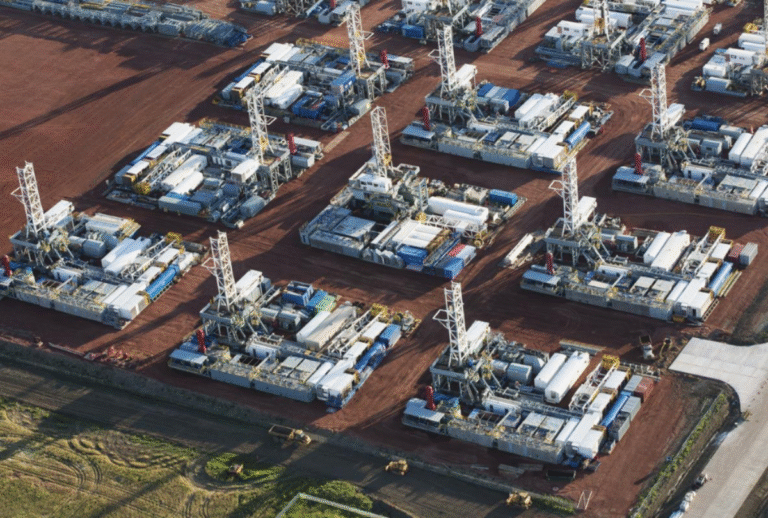
U.S. energy firms reduced the number of active oil and natural gas rigs for the second consecutive week, according to the latest report from energy services firm Baker Hughes.

This trend marks a notable development within the sector. It represents the first such consecutive decline in rig operations since August, signaling a shift in drilling activity. Baker Hughes published its closely watched report on Friday.
Current Rig Activity Trends
The recent data from Baker Hughes indicates a continued adjustment within the nation’s energy sector. Drillers across the country are scaling back their exploration and production efforts.
This follows a period where rig counts often fluctuated. Two consecutive weekly drops, however, suggest a more deliberate change in strategy by energy producers. Companies adjust rig counts based on commodity prices, operational costs, and demand outlooks.
Significance for Future Output
Industry observers closely monitor the oil and gas rig count due to its critical role. It functions as a crucial early indicator of future production levels for both crude oil and natural gas.
When fewer rigs actively drill new wells, this directly impacts the volume of hydrocarbons brought to the surface in coming months. A sustained reduction in active rigs therefore typically signals a potential decrease in future crude oil and natural gas output.
Forecasting Supply Dynamics
Such a slowdown in drilling activity could significantly influence market dynamics. It suggests a potential tightening of future supply from U.S. fields, impacting domestic consumption and export capabilities.
Analysts will closely watch subsequent reports. This will provide further insight into the long-term production trajectory of the U.S. energy market.



Leave a Comment