

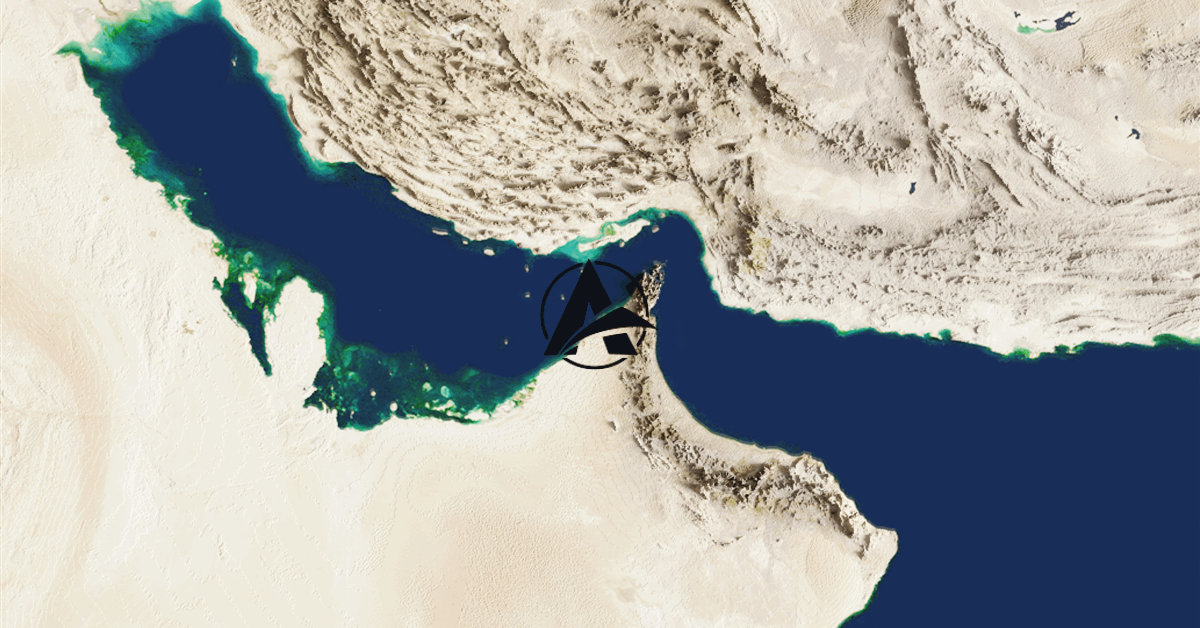

A Greek shipowner recently dispatched another oil tanker. The vessel is now outbound through the strategically vital Strait of Hormuz. This action marks a repeated instance for the company. The same shipowner has previously sent vessels through this critical maritime chokepoint, underscoring ongoing commercial activity in the region.
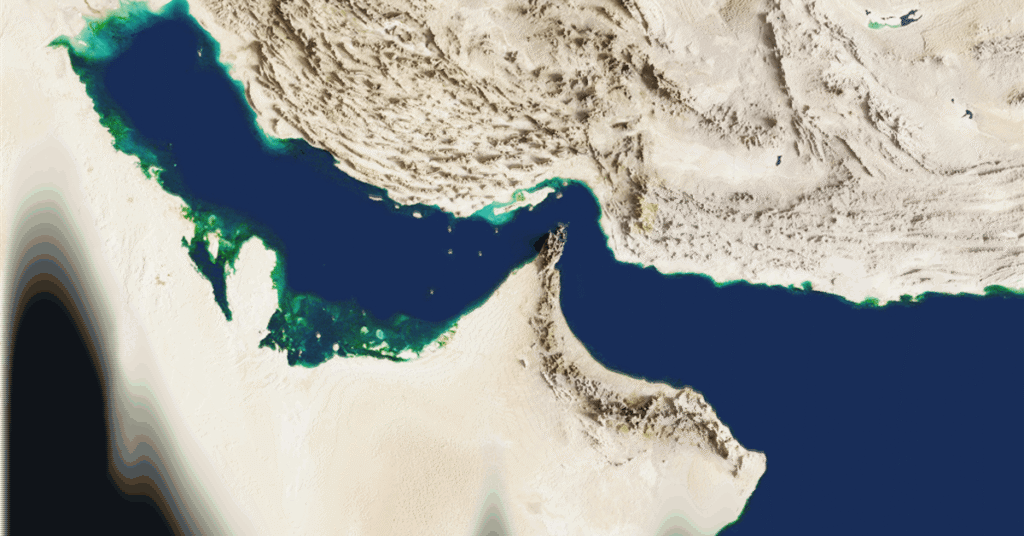
The Strait of Hormuz: A Critical Maritime Artery
This narrow waterway connects the Persian Gulf to the open ocean. It represents one of the world’s most vital shipping lanes. Geographically, the strait lies between Oman and Iran, giving it immense strategic importance. Its location significantly impacts global energy markets.
Vast quantities of crude oil and liquefied natural gas (LNG) transit this passage daily. Analysts estimate roughly one-fifth of the world’s total oil supply passes through Hormuz. This makes the strait indispensable for global energy security. Any disruption here could significantly impact international oil prices and supply chains, affecting economies worldwide.
Global Economic Implications
The continuous flow of energy products through the Strait of Hormuz underpins global economic stability. Major economies worldwide rely on these consistent shipments. Delays or blockages in the strait create immediate concerns for energy consumers and industries. Consequently, the international community closely monitors all activity in this sensitive area.
Shipowner’s Continued Operations
The Greek shipowner’s latest dispatch underscores persistent commercial activity in the region. This particular company has a history of navigating the strait. Their vessels frequently utilize this route for international oil transport, demonstrating a regular operational pattern. Such repeated transits highlight the routine nature of commercial shipping, even in geopolitically sensitive zones.
Commercial shipping lines regularly assess risks and operational necessities when planning routes. The decision to send a vessel through Hormuz reflects a calculated operational choice. Shipowners must balance efficiency with security considerations, ensuring the safe and timely delivery of cargo. This ongoing presence confirms the strait’s role as an unavoidable passage for many operators.
The recent transit of a Greek-owned oil tanker through the Strait of Hormuz once again spotlights this waterway’s enduring importance. It confirms the continued flow of critical energy resources. The global economy remains highly dependent on secure passage through this strategic chokepoint for stability and supply.




Leave a Comment