


The UK government has postponed its plans to scrap the North Sea Energy Profits Levy. This measure is widely known as the windfall tax. Consequently, energy producers will continue facing this tax regime for an extended period. The decision comes as global oil prices have surged.
Government’s Policy Shift
Officials initially intended to remove the North Sea Energy Profits Levy. However, recent market conditions prompted a change in strategy. The government now confirms a delay in discontinuing the levy. This action impacts companies operating in the North Sea.
Implications for Producers
Energy producers will thus continue to operate under the current tax framework. They face a substantial 78% tax rate on their profits. This extends the duration of the levy beyond previous expectations. The industry now anticipates a longer period of higher taxation, directly impacting investment decisions.
Political Response and Stance
Separately, Rachel Reeves has also announced a delay in plans to scrap the North Sea windfall tax. This move reflects a similar position to the government’s recent decision. Her statement indicates a broader political consensus on the levy’s temporary continuation.
Global Market Dynamics
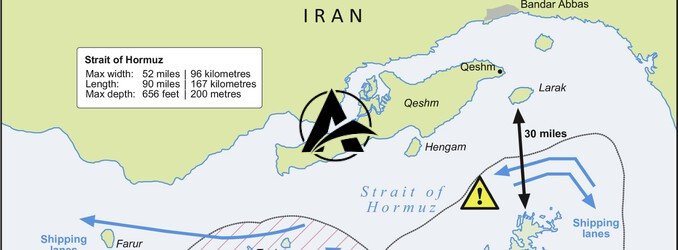
A significant surge in global oil prices underpins these governmental and political delays. The ongoing conflict in Iran is a key factor driving this recent increase. Higher oil prices naturally contribute to increased profits for energy companies. This situation directly prompted the review of the levy’s removal timeline.
Therefore, both the UK government and key political figures support extending the windfall tax. This policy response aims to address current economic realities. Energy firms must now adjust their financial forecasts accordingly.


Leave a Comment