

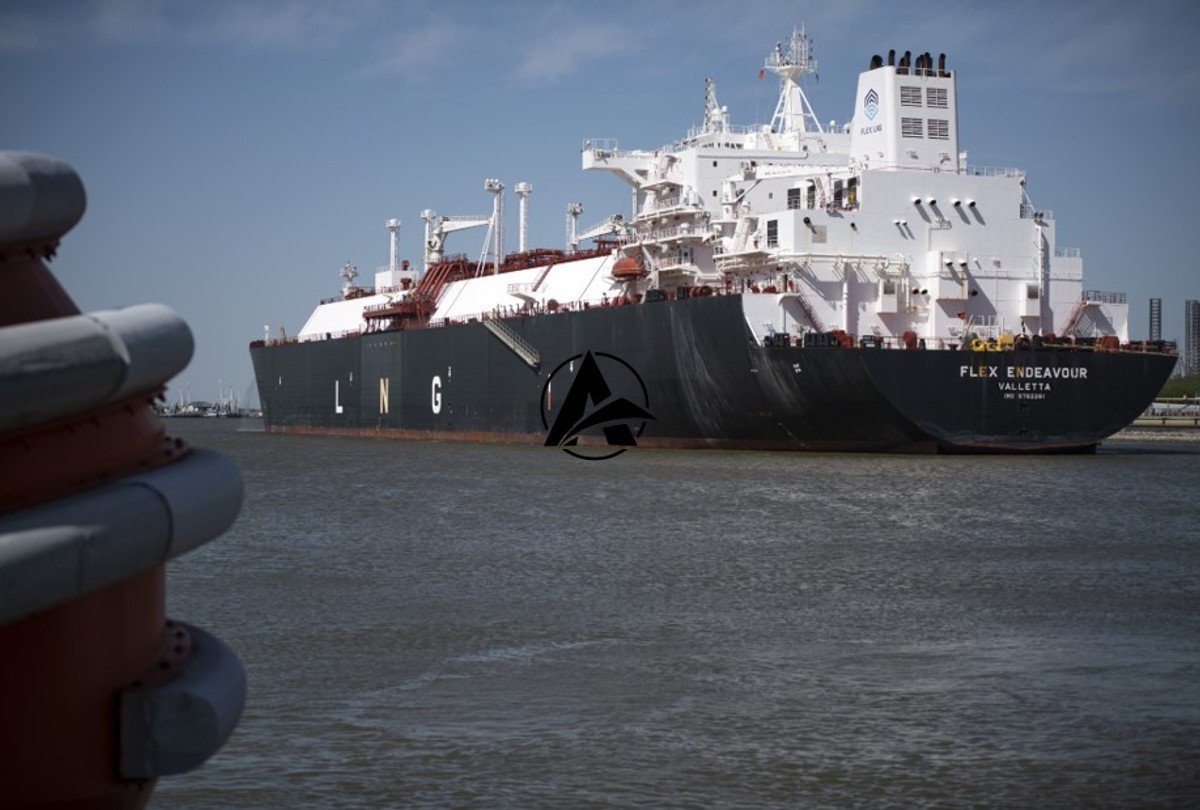

Soaring U.S. natural gas prices are significantly eroding profit margins for domestic Liquefied Natural Gas (LNG) producers. This trend, according to Bousso, is anticipated to intensify in the coming years. Consequently, a reduction in U.S. LNG exports could occur as global competition in energy markets heats up.
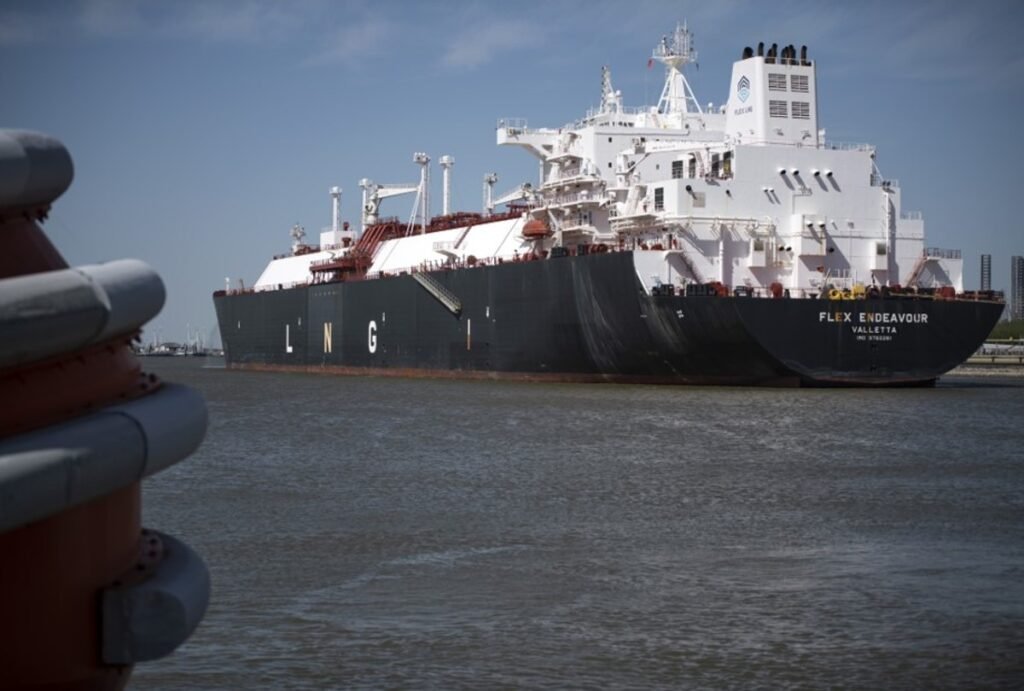
Domestic Gas Prices Impact LNG Sector
U.S. benchmark Henry Hub gas prices recently spiked on Wednesday. They reached their highest level in three years, exceeding $5 per million British thermal units. This surge directly affects the operational costs for LNG facilities. Higher input prices challenge the economic viability of exports.
Profit Margin Squeeze Intensifies
Domestic LNG producers face a significant squeeze on their profit margins. Elevated natural gas acquisition costs directly reduce the profitability of converting gas into LNG for export. This financial pressure makes U.S. LNG less competitive internationally. Bousso projects this margin erosion will deepen in upcoming years.
Global Market Dynamics and Export Challenges
The global market for LNG is becoming increasingly competitive. Other nations offer LNG at potentially lower prices, putting U.S. producers at a disadvantage. This intensified competition compounds the issues faced by American exporters.
Potential Reduction in U.S. LNG Exports
Intensified margin pressure, combined with fierce global competition, could force U.S. LNG exports to drop. Producers might find it less profitable to export at current price levels. A decline in exports would impact the nation’s role in the international energy landscape.
The outlook for U.S. LNG exports suggests increasing challenges. Producers must navigate higher domestic gas prices and a competitive global environment. Industry observers will closely monitor these evolving market conditions.




Leave a Comment