

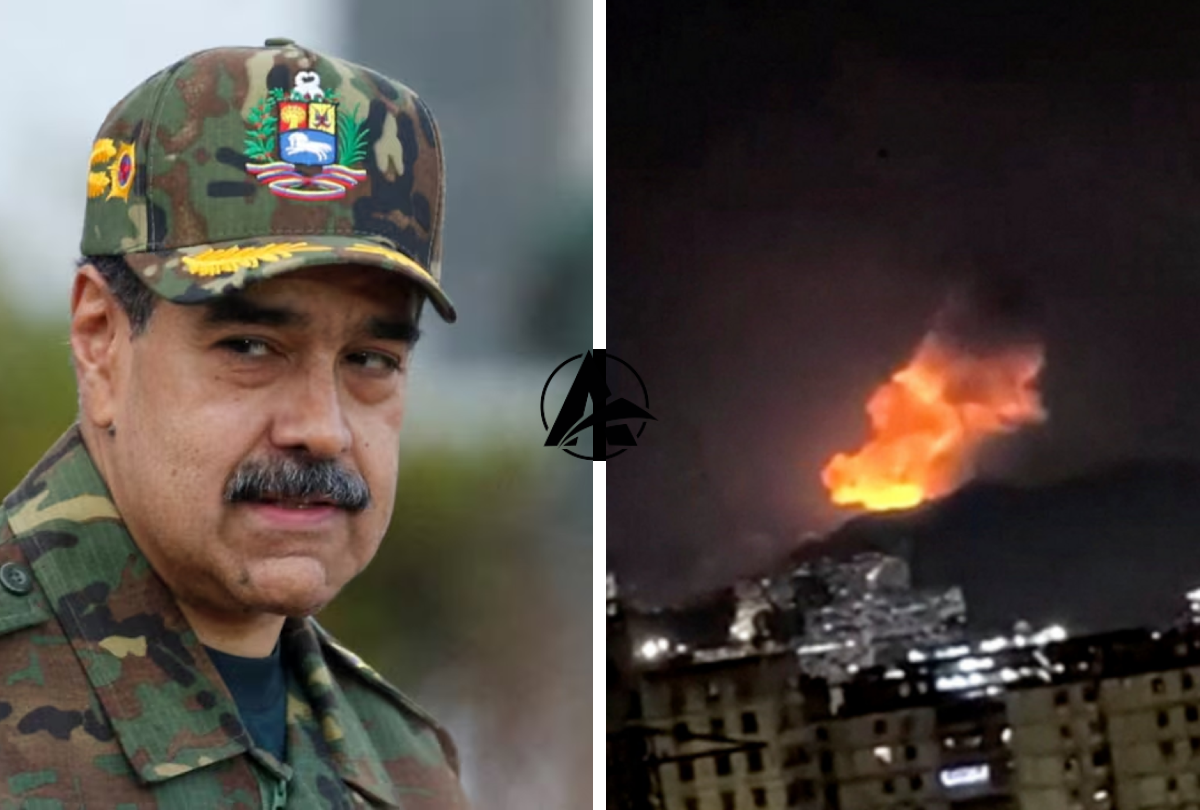

The United States has reportedly attacked Venezuela. Consequently, this action led to the deposition of President Nicolas Maduro. U.S. President Donald Trump then announced Maduro’s capture. He also stated Venezuelan oil facilities remained intact following the strikes.
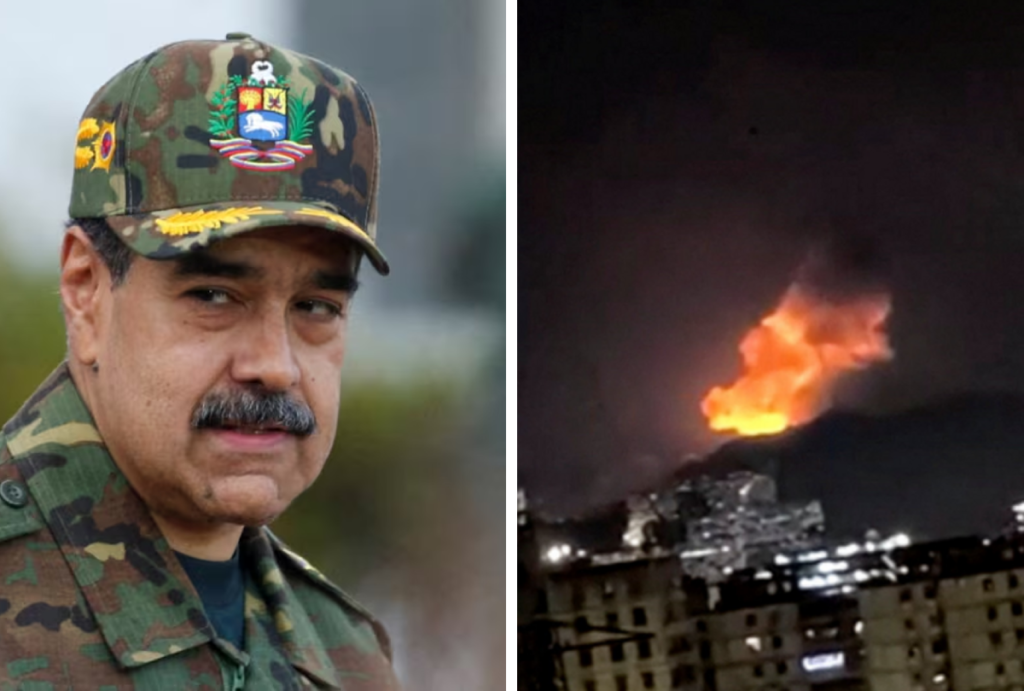
Military Operations and Regional Impact
This operation marks a significant shift. Indeed, it is the most direct U.S. action in the region since the 1989 Panama invasion. Reports indicated explosions across Venezuela. The capital, Caracas, experienced blasts. Other locations also saw activity.
Scope of the Intervention
U.S. forces carried out these strikes. The intervention aimed to remove Maduro from power. The immediate aftermath involved capturing the deposed leader. Trump emphasized the preservation of oil infrastructure. This suggests a strategic focus on the nation’s energy assets.
Venezuelan Government Response
The Maduro government reacted defiantly. Specifically, it rejected the U.S. actions. Officials accused the United States of an “oil grab.” They claimed the U.S. sought control of Venezuela’s vast resources. The government maintained its stance against the intervention.
Accusations and Defiance
Maduro’s administration issued strong condemnations. It viewed the U.S. operation as an invasion. Venezuelan authorities pledged resistance. The government’s public statements highlighted its opposition. This created a tense political atmosphere within the country.
Potential Legal Ramifications
President Maduro faces further legal challenges. He may stand trial in the U.S. for drug-related charges. This adds another layer to the complex situation. The prospect of a U.S. trial could have significant international implications.



Leave a Comment