

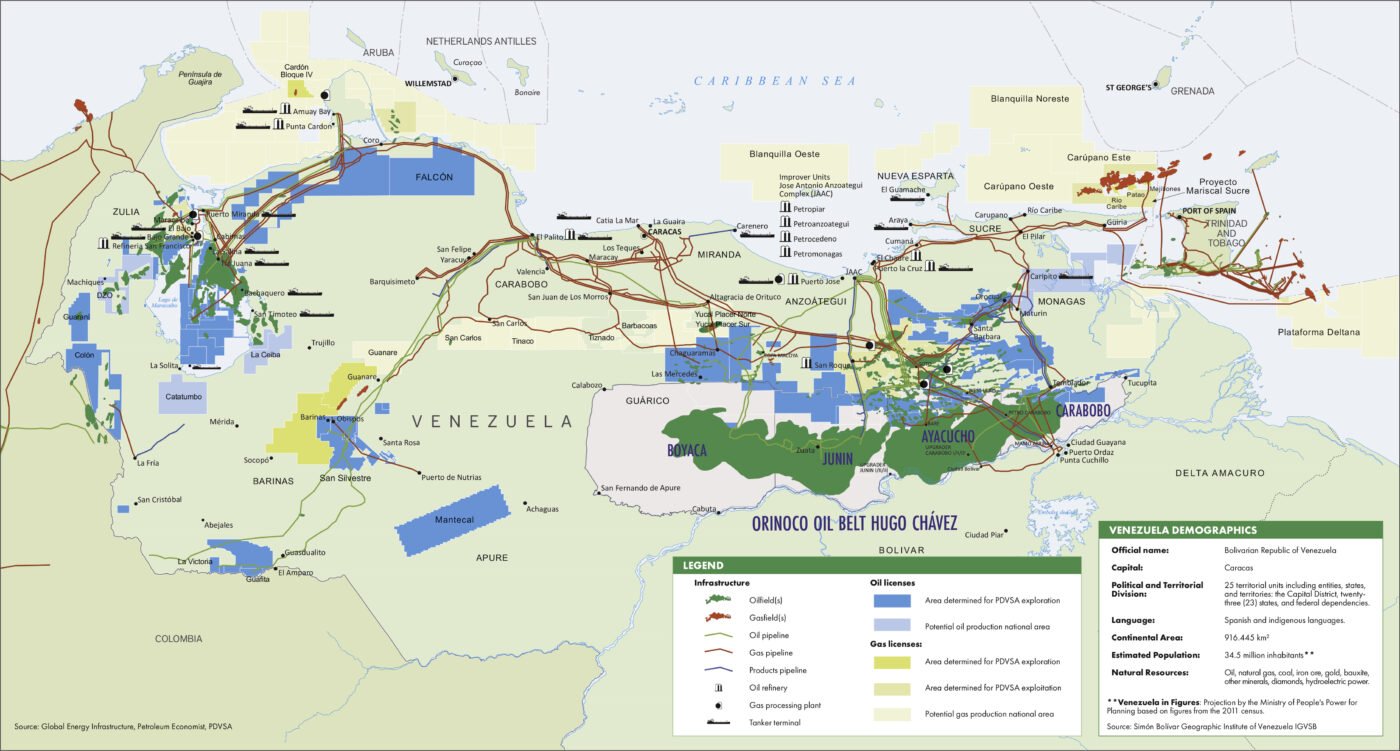

Interior Secretary Doug Burgum announced that the United States will not provide funding for the revival of Venezuela’s oil sector. This decision reflects a clear policy from the Trump administration. It signals that U.S. energy companies interested in investing in the Venezuelan oil industry must secure their capital from private markets.
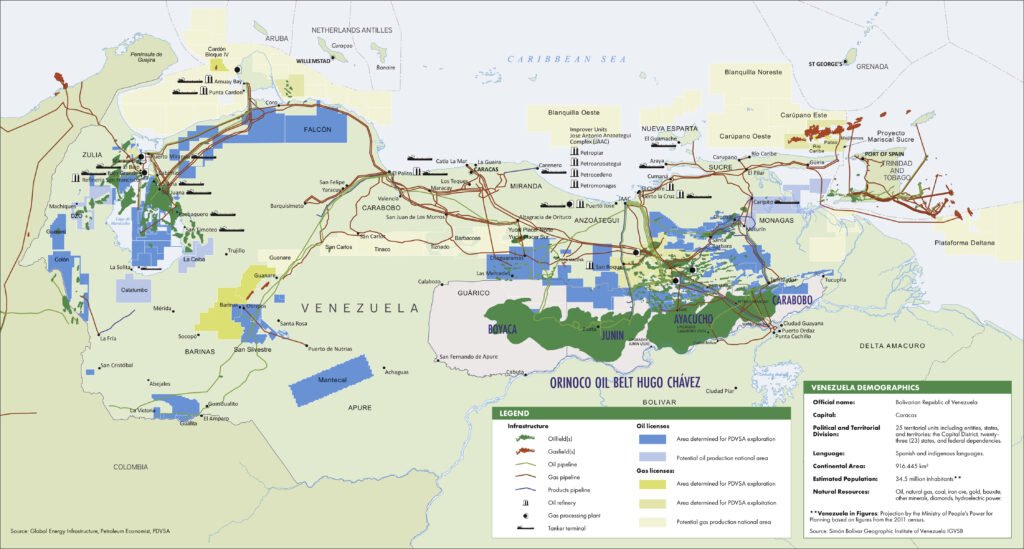
U.S. Government’s Financial Stance
Secretary Burgum’s statement clarifies the federal government’s position on financial support for Venezuela’s energy infrastructure. The United States government, under the current administration, will not allocate public funds towards these revitalization efforts. This policy applies specifically to the oil sector, a critical component of Venezuela’s economy.
The announcement establishes a boundary for U.S. involvement. It indicates a governmental reluctance to directly finance foreign oil sector projects. This approach contrasts with potential scenarios where federal aid or guarantees might otherwise be considered for strategic industries abroad.
Implications for U.S. Energy Companies
U.S. energy companies seeking to engage with Venezuela’s oil industry now face distinct financial parameters. They will need to identify and secure investment capital exclusively through private financial channels. This requirement places the burden of fundraising entirely on corporate entities, without federal government backing.
Reliance on Private Capital
The directive emphasizes reliance on private capital markets. Companies must approach banks, private equity firms, and other non-governmental investors. This approach ensures market forces primarily drive any U.S. corporate investment in Venezuela’s oil sector. It also underscores a departure from government-backed initiatives for such ventures.




Leave a Comment