


Venezuela’s oil exports have experienced a sharp decline. Recent actions by the United States precipitated this significant fall. These measures include a tanker seizure and the imposition of new sanctions.
Export Decline and U.S. Measures
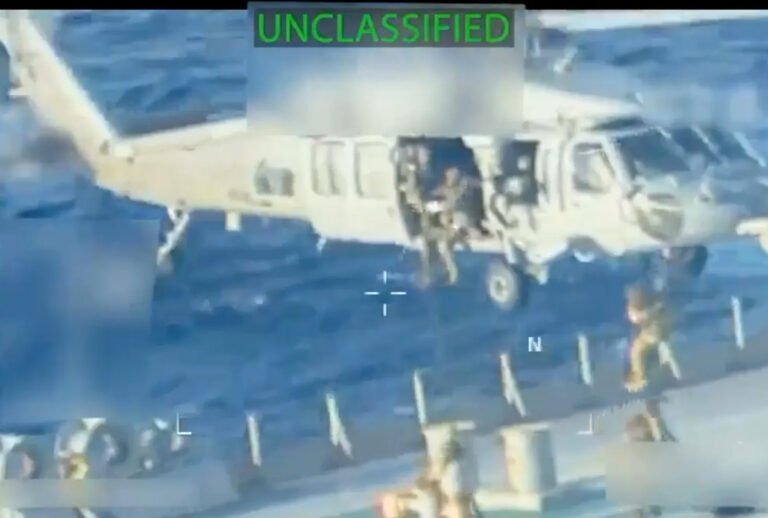
The U.S. government seized a tanker earlier this week. This action marked a significant development in ongoing international relations. Subsequently, Washington imposed further sanctions. These new measures target various shipping companies and specific vessels.
Consequently, these recent U.S. actions directly contributed to the substantial reduction in Venezuelan oil shipments. The overall volume of oil leaving the country has notably decreased. This situation reflects the immediate impact of the sanctions.
Impact on Maritime Operations
Stranded Cargoes Accumulate
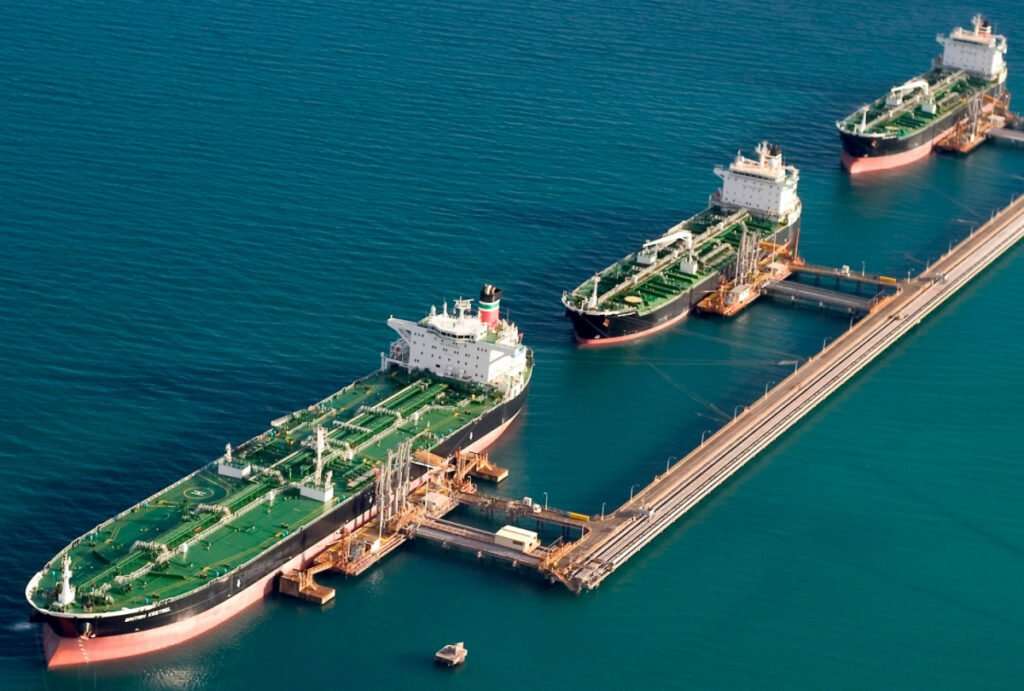
Approximately 11 million barrels of Venezuelan oil currently remain stranded. These significant volumes sit on vessels within the country’s territorial waters. Their inability to move represents a major logistical challenge.
Furthermore, some of these loaded cargoes sit aboard ships. Washington’s sanction regime specifically targeted these particular vessels. This situation further complicates their release and export.
Chevron’s Limited Activity
Only tankers chartered by Chevron continue to operate. These vessels alone navigate international waters from Venezuela. This exception highlights a specific, restricted operational channel.
Chevron’s chartered vessels represent the sole pathway for Venezuelan oil to reach international markets under current conditions. This limited activity contrasts sharply with the broader halt in exports. The situation underscores the effectiveness of the recent U.S. measures.

Leave a Comment