

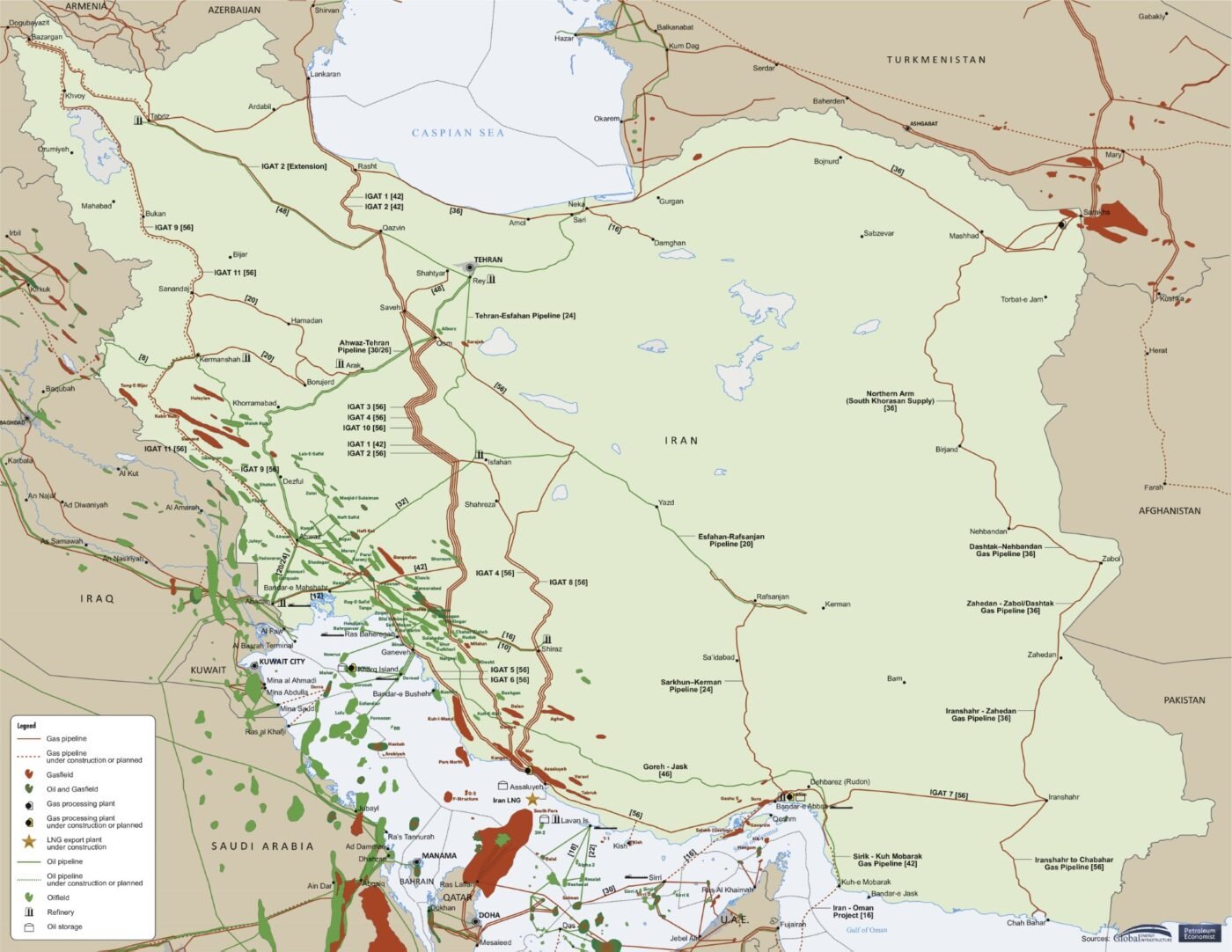

A recent U.S. military strike near Iran’s Kharg Island has intensified concerns regarding potential disruptions to Iranian crude oil exports. This action consequently raises worries about the stability of the global oil supply. The incident occurs amidst ongoing regional conflict, which already impedes tanker traffic through the critical Strait of Hormuz.
Kharg Island’s Strategic Importance
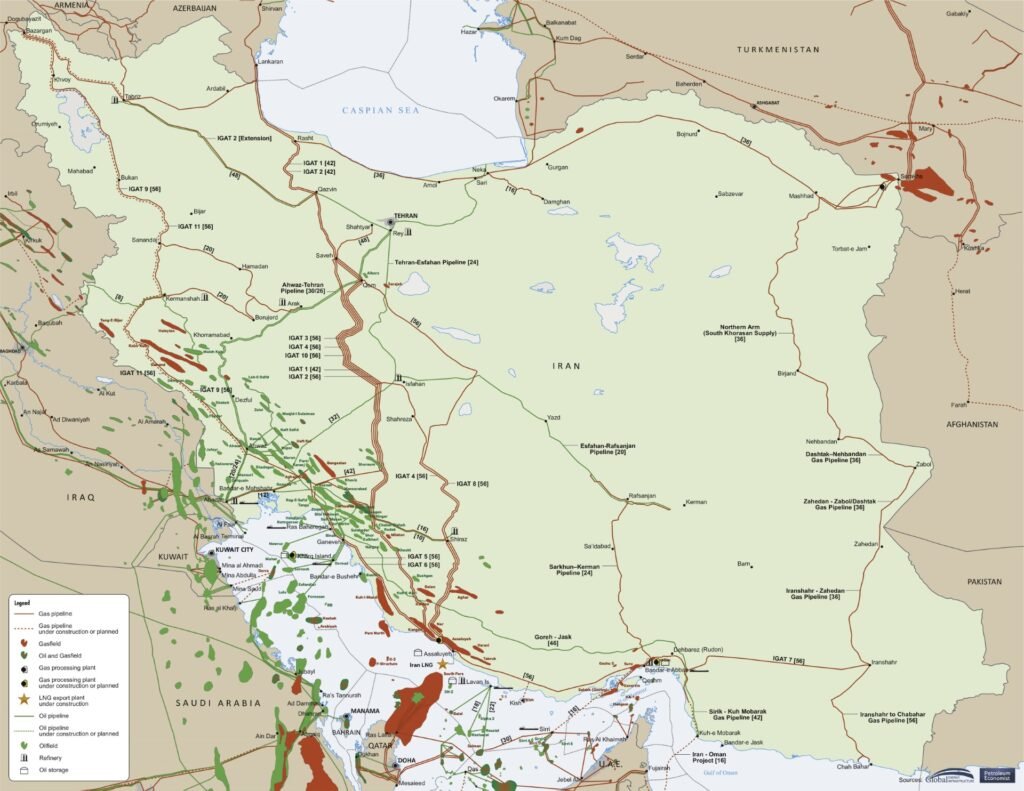
Kharg Island holds significant strategic value for Iran. It serves as the nation’s primary terminal for oil exports. Any military activity in its vicinity directly impacts Iran’s capacity to ship crude oil to international markets. This critical infrastructure handles a substantial portion of Iran’s oil revenue.
Regional Instability and Shipping Routes
The Strait of Hormuz remains a vital chokepoint for global oil shipments. Ongoing regional conflict has consistently disrupted tanker traffic through this narrow waterway. This persistent instability creates a volatile environment for maritime trade. The latest U.S. strike adds another layer of complexity to an already tense region.
Impact on Global Energy Markets
Observers are closely monitoring the situation. Potential disruptions to Iranian crude exports could influence global oil prices. Energy markets often react sensitively to geopolitical developments in the Middle East. Stakeholders assess the likelihood of sustained supply chain issues.
Heightened Risk to Oil Supply
The combination of existing regional tensions and the recent military action near Kharg Island significantly heightens the risk of oil supply disruptions. This situation underscores the fragility of global energy security. International bodies and market analysts continue to track developments for further implications.
The international community remains watchful. Any escalation could have far-reaching economic consequences. Maintaining stability in key oil-producing regions is paramount for global economic health.



Leave a Comment