

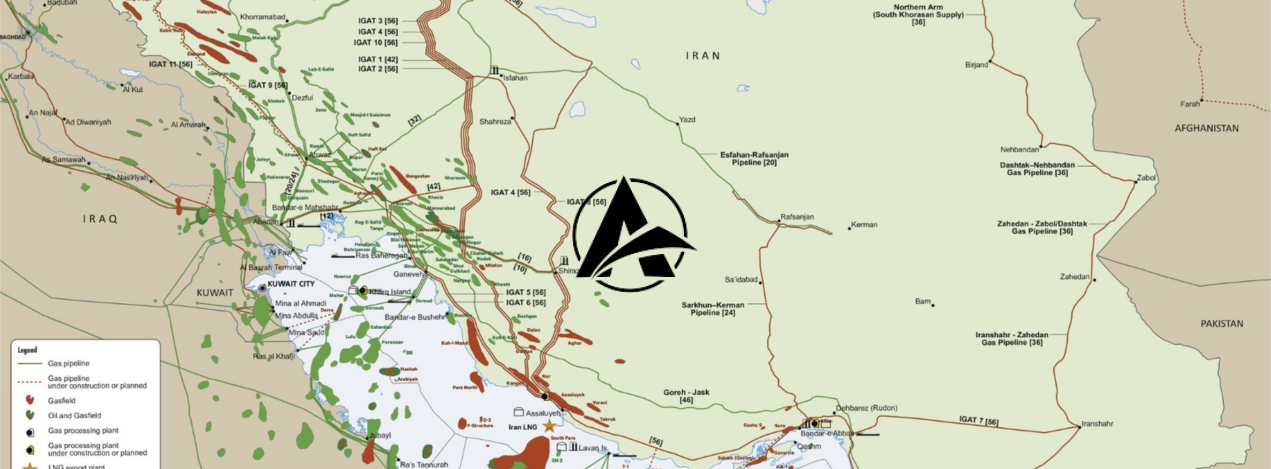

Global oil prices are climbing. An escalating conflict involving Iran primarily drives this upward trend. Concerns surround the potential for broader regional instability and its impact on energy supplies.
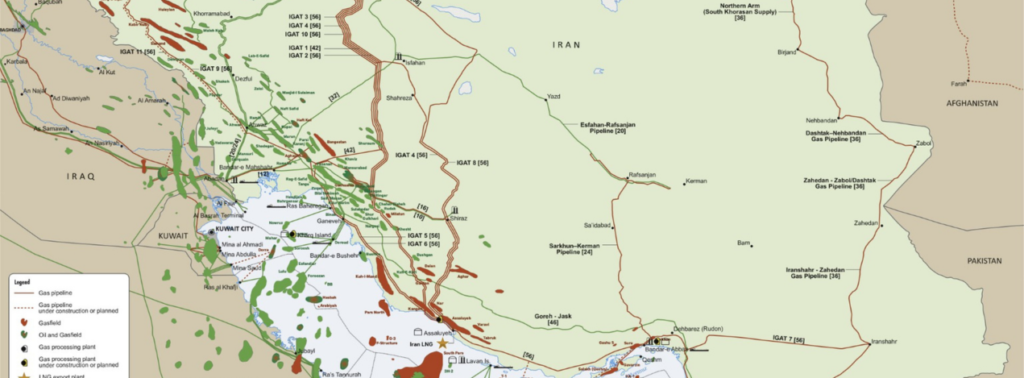
Strait of Hormuz Under Threat
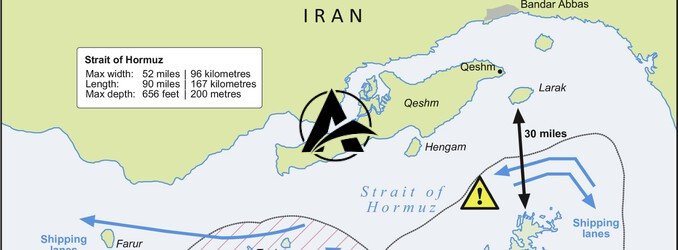
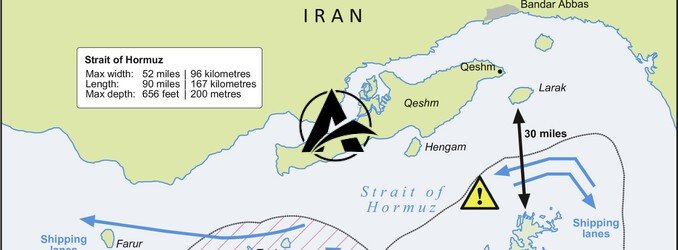
The conflict poses a significant threat to vital tanker traffic. This traffic navigates through the Strait of Hormuz. The strait represents a crucial choke point for global oil shipments. Any disruption in this narrow waterway could have far-reaching consequences for energy markets worldwide.
Analyst Warnings on Market Stability
Analysts are issuing warnings regarding potential market instability. They foresee several critical consequences if the conflict escalates further. These factors could intensify volatility across international oil and gas markets.
Shipping Disruptions
Widespread shipping disruptions represent a major concern. Any interference with tanker movements through the Strait of Hormuz could impede the timely delivery of crude oil and refined products. Consequently, supply chains would face significant strain, impacting global energy distribution.
Refinery Damage and Diesel Supply
Potential damage to refineries also raises alarms. Such incidents could reduce processing capacity, further tightening product availability. Analysts specifically highlight the risk of tighter global diesel supplies. This scarcity would affect industries reliant on diesel, from transportation to agriculture.
Outlook for Global Energy Markets
These developments could intensify volatility across global oil and gas markets. Investors and consumers face uncertainty regarding future supply and pricing. The ongoing situation demands close monitoring from market participants and policymakers alike.



Leave a Comment