

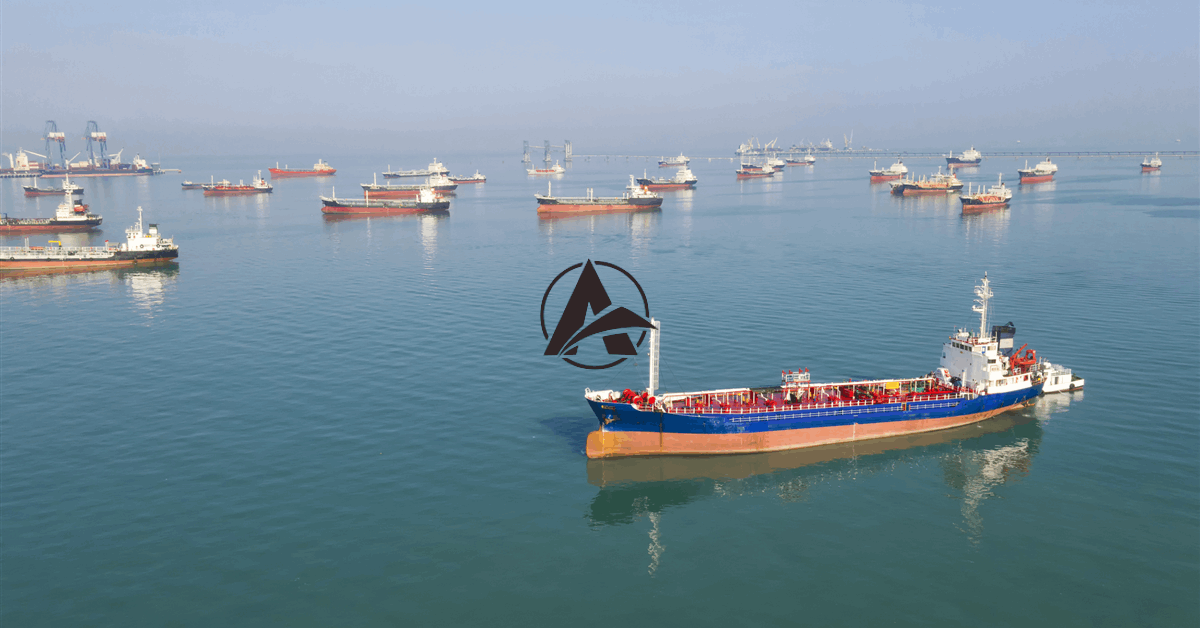

Tankers are currently avoiding the Strait of Hormuz. This critical waterway faces significant disruption. Some vessels have halted or reversed course. This follows recent joint US and Israeli strikes on Iran. Warnings indicate the Strait may be unsafe.
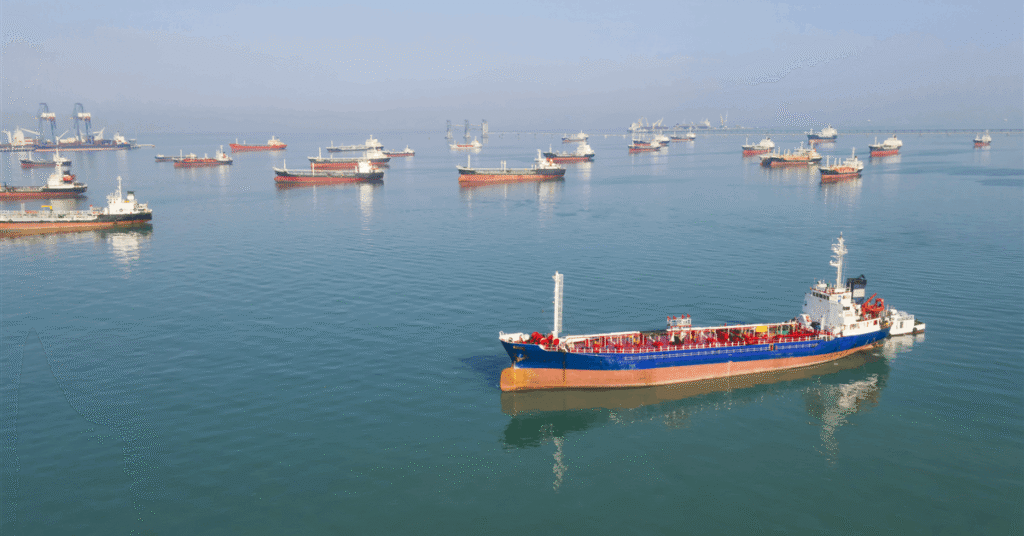
Shipping Operations Affected
Global shipping operations show immediate changes. Many tanker captains now reroute their vessels. They prioritize crew and cargo safety. The Strait of Hormuz is a narrow choke point.
Strategic Importance
The Strait of Hormuz holds immense global significance. Approximately one-fifth of the world’s oil transits this passage daily. It connects the Persian Gulf to the open ocean. Any disruption here impacts international energy markets.
Regional Context
These maritime shifts occur after recent military actions. Joint US and Israeli forces conducted strikes against targets in Iran. These operations have heightened regional tensions. This escalation directly influences commercial shipping decisions.
Safety Advisories
Authorities have issued explicit warnings. They caution against transit through the Strait. These advisories cite potential security risks. Shipping companies must assess threats to their vessels.
Economic Implications
The avoidance of Hormuz carries economic consequences. Rerouting vessels increases journey times. It also raises fuel consumption and operational costs. Insurers may levy higher premiums for voyages.
The situation in the Strait of Hormuz remains dynamic. Shipping companies prioritize safety amidst ongoing regional instability. International observers continue to monitor developments. Future vessel movements depend on de-escalation efforts.



Leave a Comment