

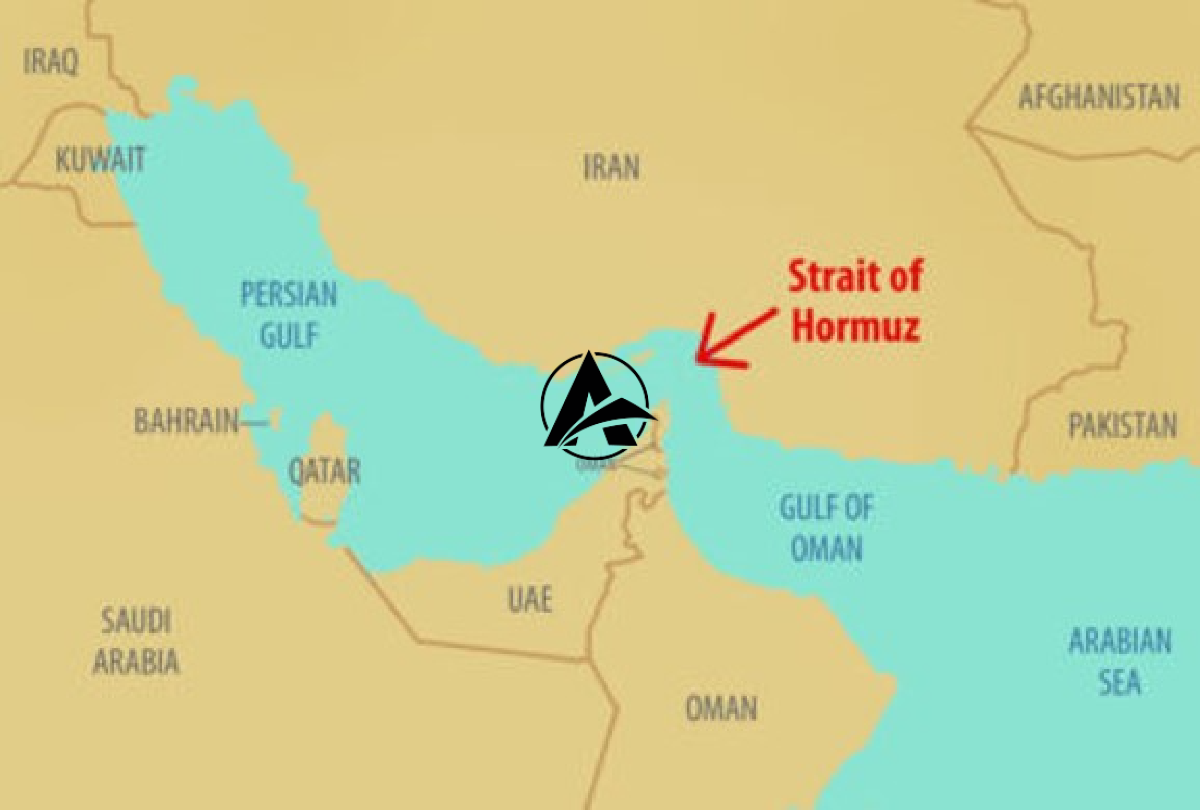

Ship tracking data released Friday indicates most vessels transiting the critical Strait of Hormuz recently linked to Iran. This occurs as other international shipping traffic holds back on voyages. Tehran and Washington agreed a two-week ceasefire this week. Despite this, non-Iranian ships remain reluctant, suggesting ongoing industry caution.
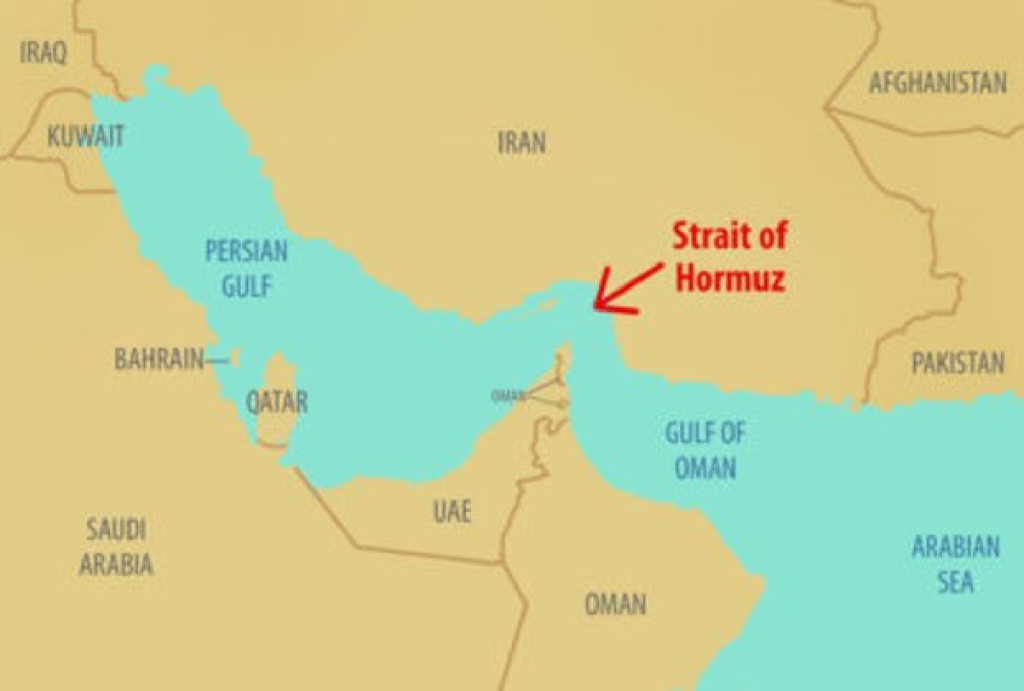
Iranian Shipping Dominance
Tracking data from Friday revealed a significant pattern. Most ships sailing through the Strait of Hormuz had ties to Iran. This information covers transit activity over the previous 24 hours. Shipping sources corroborated these findings. They observed a clear prevalence of Iran-affiliated vessels navigating the waterway.
International Vessels Exercise Caution
Despite recent diplomatic efforts, many international vessels delay or avoid strait voyages. Shipping industry sources report sustained reluctance. Operators prioritize safety and assess risks. This cautious approach contrasts sharply with Iranian ship activity. Consequently, non-Iranian traffic remains lower than usual.
Ceasefire’s Limited Shipping Impact
Tehran and Washington agreed to a two-week ceasefire this week. This agreement aimed to de-escalate regional tensions. However, data suggests it has not yet fully reassured commercial shipping lines. Many companies remain wary of potential security incidents. They monitor the situation closely before committing vessels.
The clear disparity in shipping activity underscores persistent concerns within the global maritime sector. Diplomatic efforts seek to stabilize the region, but shipping companies prioritize safety. This ongoing caution highlights challenges in reassuring international commerce through vital waterways like the Strait of Hormuz.





Leave a Comment