



A tanker reportedly carrying Russian oil has changed its course, diverting from its original destination of Cuba. This unexpected shift comes as the Caribbean nation faces severe fuel shortages. The diversion marks a significant development for Cuba’s ongoing energy crisis.

Cuba’s Energy Challenges
Cuba currently grapples with a profound fuel scarcity. This shortage impacts daily life and economic activities across the island. Residents frequently experience long queues at gas stations. Public transportation also faces disruptions due to the lack of available fuel. The nation’s energy infrastructure relies heavily on imported oil.
The Diverted Vessel
The tanker, believed to be transporting Russian crude oil, initially headed for Cuban ports. Its cargo could have provided much-needed relief to the island’s energy woes. However, tracking data now indicates a change in its intended path. The specific reasons behind the diversion remain unclear at this time. Observers are closely monitoring the vessel’s new trajectory.
Geopolitical Context of Oil Supply
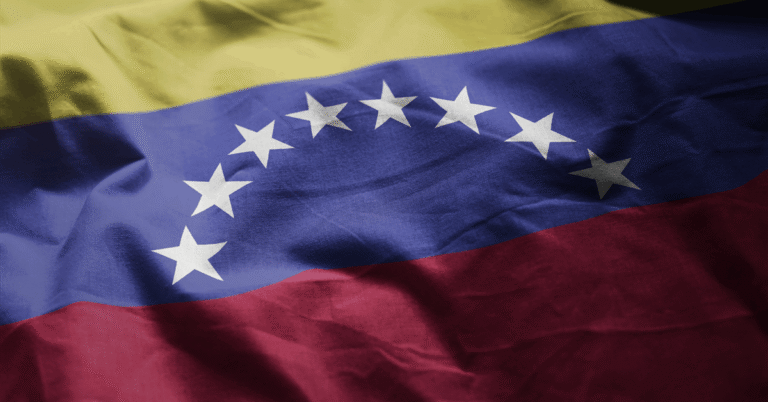
This diversion highlights the complexities of global oil supply chains. It also underscores Cuba’s precarious energy situation. The island nation has historically relied on allies for oil supplies. Venezuela was a primary source for many years. Now, Russia has become an increasingly important partner in energy trade.
Potential Future Implications
This recent development could further strain Cuba’s efforts to secure stable energy sources. The long-term implications for Cuban citizens and the economy are potentially significant. Cuban authorities have not yet issued a public statement regarding the tanker’s change of course.
Uncertainty for Cuba’s Economy
The incident raises questions about the reliability of future oil shipments. It also adds another layer of uncertainty to Cuba’s already challenging economic landscape. Securing consistent fuel imports remains a critical priority for the nation’s stability.



Leave a Comment