

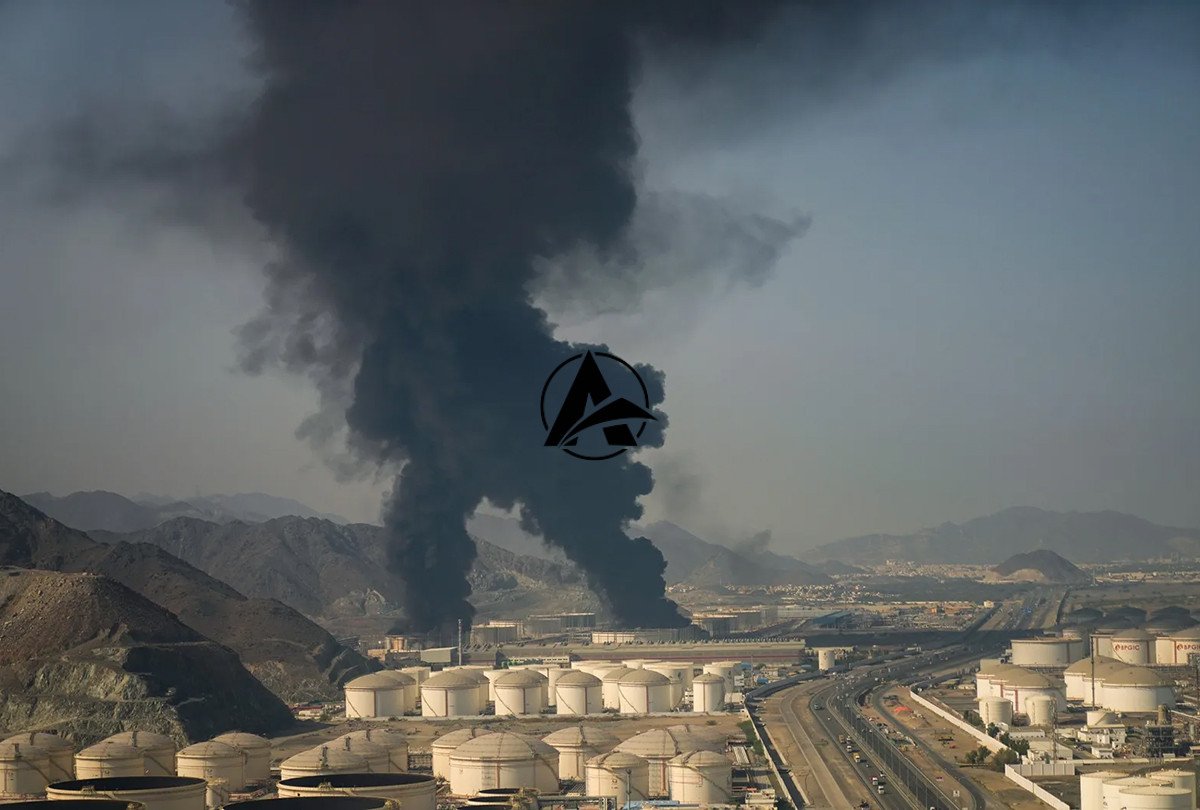

The ongoing conflict in the Gulf region has caused significant damage to vital energy infrastructure. Five weeks into the hostilities, missile and drone strikes have impacted numerous key facilities. This destruction raises concerns about regional stability and energy supply.
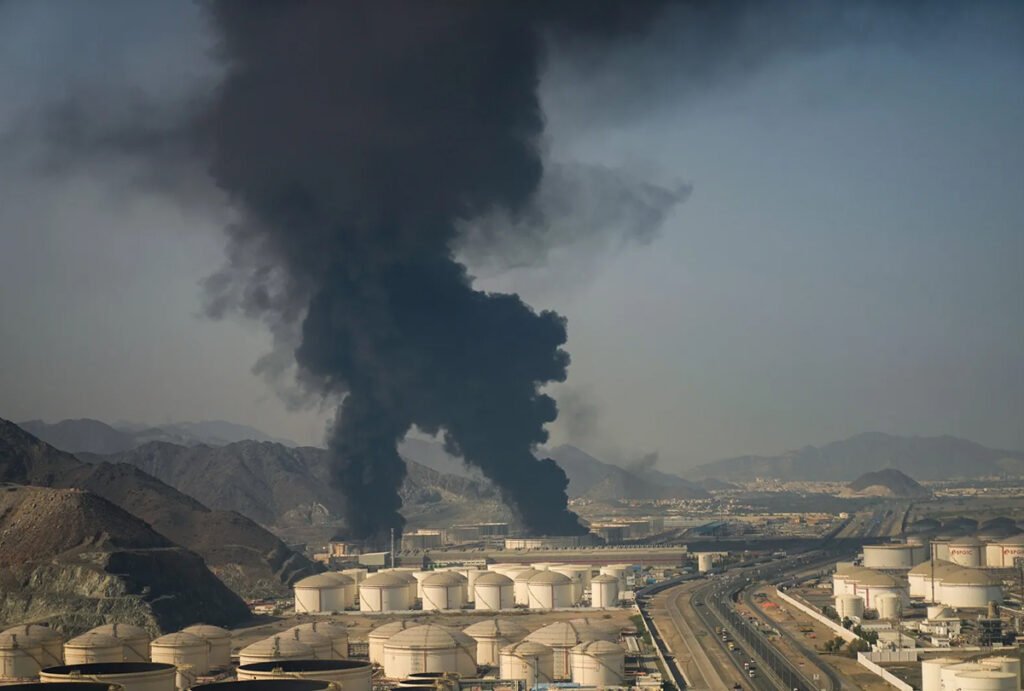
Impact on Energy Infrastructure
Dozens of critical energy facilities have sustained damage across the region. These include refineries, essential for processing crude oil. Oil fields, crucial for extraction, also suffered hits. Gas plants and various port facilities sustained damage as well, disrupting operations.
Missile and drone strikes are responsible for this widespread damage. These attacks have targeted strategic energy assets. The precise extent of the operational disruption remains under assessment. However, early reports indicate significant setbacks for the affected sites.
Broader Regional Tensions
The regional conflict has unfolded amidst broader geopolitical tensions. International observers closely monitor developments in the Gulf. Concerns about potential escalation persist among global powers. This volatile environment contributes to uncertainty in the energy markets.
US President’s Warning
In a separate development, former US President Donald Trump issued a stern warning. He threatened “Hell” upon Iran with strikes on power plants and other infrastructure. This threat was contingent on specific actions regarding the Strait of Hormuz. The Strait represents a critical choke point for global oil shipments.
The ongoing damage to Gulf energy infrastructure highlights the conflict’s severe economic impact. It also underscores the precarious security situation in the region. Global energy markets continue to watch these developments with apprehension. The international community urges de-escalation.




Leave a Comment