


Brent crude oil prices recently climbed above $71 a barrel. This increase follows escalating tensions between the United States and Iran. U.S. President Donald Trump issued a stern warning to Iran. He urged Iran to accept a nuclear deal or face potential military action.

Geopolitical Developments
President Trump’s statement directly linked the nuclear deal to possible military action. This rhetoric immediately sparked concerns among global markets. Observers noted the directness of the President’s warning.
Strait of Hormuz Implications
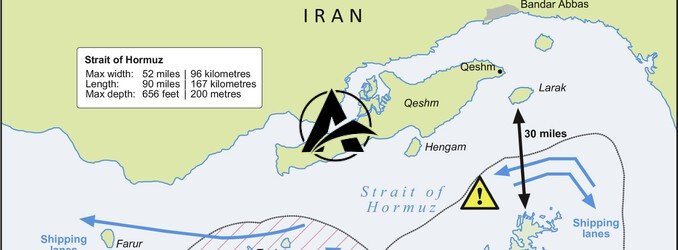
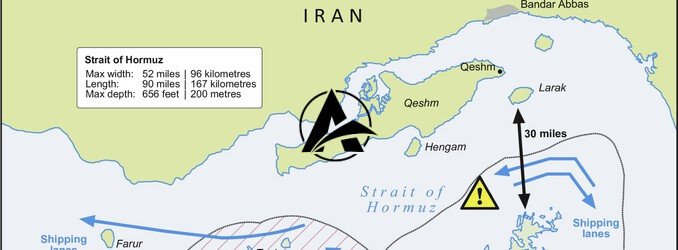
The renewed rhetoric significantly reignited fears about disruptions to global oil supplies. These concerns specifically target shipments passing through the Strait of Hormuz. This vital waterway is a key transit point for a substantial portion of the world’s oil. Any instability there can severely impact supply.
Market Response
Consequently, this geopolitical instability introduced a fresh risk premium into international oil markets. Traders assessed the increased likelihood of supply interruptions. The market reacted swiftly to the potential for conflict.
Oil prices often reflect such geopolitical developments. Investors factor in risks that could affect production or transport. This latest surge demonstrates market sensitivity to Middle East stability.
Underlying Tensions
The situation underscores ongoing friction between the United States and Iran. Both nations have a complex history regarding nuclear programs and regional influence. President Trump’s administration has taken a firm stance on Iran’s activities.

Leave a Comment