


Oil prices experienced a sharp decline, falling by more than 12%. Market uncertainty primarily drove this drop. Traders struggled to interpret conflicting signals. These signals concerned tanker traffic and potential U.S. naval escorts through the Strait of Hormuz.
The Significant Price Drop
The substantial drop in crude oil values sent ripples through global markets. This sudden downturn underscored commodity price sensitivity to geopolitical developments. Traders adjusted positions rapidly, reacting to the unclear situation.
Strait of Hormuz: A Critical Chokepoint
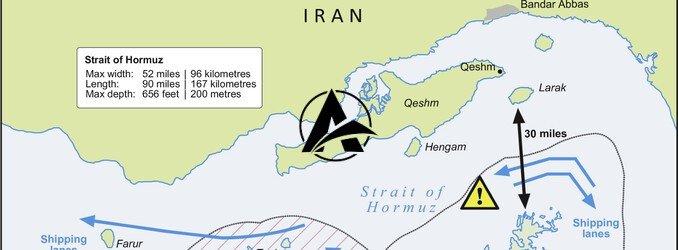
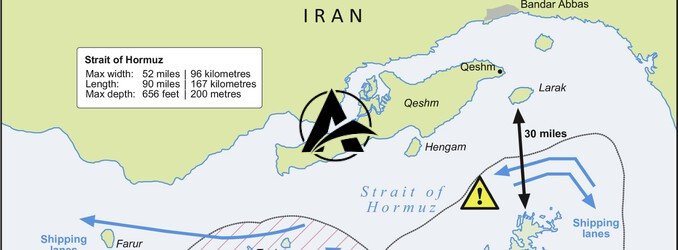
The Strait of Hormuz holds immense importance as a maritime passage. It functions as a critical global chokepoint. This narrow waterway connects the Persian Gulf to the open ocean.
Global Supply Implications
Approximately one-fifth of the world’s total oil supply transits through the Strait of Hormuz. Any disruption in this vital artery directly impacts global energy security. Its stability remains paramount for consumers worldwide.
Conflicting Signals Fuel Uncertainty
Reports concerning tanker traffic through the Strait presented a muddled picture. Some indications suggested normal operations, others hinted at disruptions. Furthermore, the possibility of U.S. naval escorts complicated the situation. Discussions around escorts introduced additional ambiguity.
Market Reaction and Outlook
Traders reacted swiftly to the lack of clear guidance. They adjusted strategies based on speculation and caution. This environment of uncertainty continues to influence price movements.
The global oil market remains highly reactive to Strait of Hormuz developments. Participants will monitor future announcements closely. Regional stability is crucial for predictable energy prices.



Leave a Comment