


Shale producer Occidental Petroleum recently announced a 1.6% year-on-year decrease. Its worldwide average realized oil prices fell during the first quarter. This decline occurred despite an overall rise in benchmark crude rates. Geopolitical disruptions in the Middle East significantly influenced these higher crude benchmarks.
Occidental’s First Quarter Performance
Occidental’s report highlighted a specific challenge. Realized prices fell while broader market rates increased. The company, a major shale producer, navigated a complex global energy landscape. Its average realized oil prices across its operations saw a modest but notable reduction.
Global Market Dynamics
Global benchmark crude rates experienced an upward trend throughout the first quarter. This increase stemmed primarily from significant energy market disruptions in the Middle East. Tensions in the region, particularly those involving Iran, fueled concerns about supply stability.
Impact on Energy Supplies
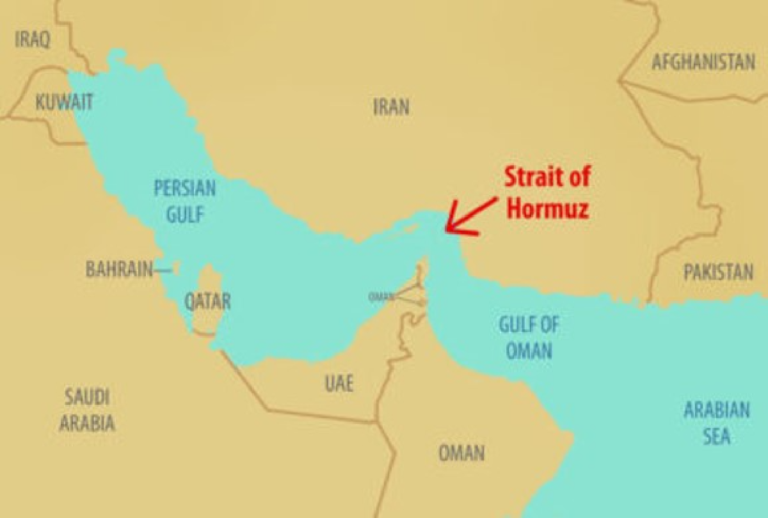
These geopolitical developments have caused considerable disruption to global energy supplies. A key area of concern remains the Strait of Hormuz. This vital maritime conduit is crucial for the transit of a substantial portion of the world’s oil shipments. Regional conflicts directly impact its operational stability.
Realized vs. Benchmark Prices
The discrepancy between Occidental’s realized prices and the higher benchmark crude rates illustrates market complexities. Realized prices reflect the actual revenue companies receive for their oil after various adjustments. Benchmark rates, however, represent broader market indicators for crude oil. Factors like hedging strategies, transportation costs, and specific contract terms can influence this difference.

Leave a Comment