



North America‘s active rotary rig count decreased by two this past week. Baker Hughes‘ latest report provided this data. This count offers a current snapshot of drilling operations.

Understanding Rig Counts
A rotary rig count signals activity in the oil and gas industry. It tracks active rigs drilling for hydrocarbons. Observers monitor these figures. They offer insights into exploration and production levels.
Role of Rotary Rigs
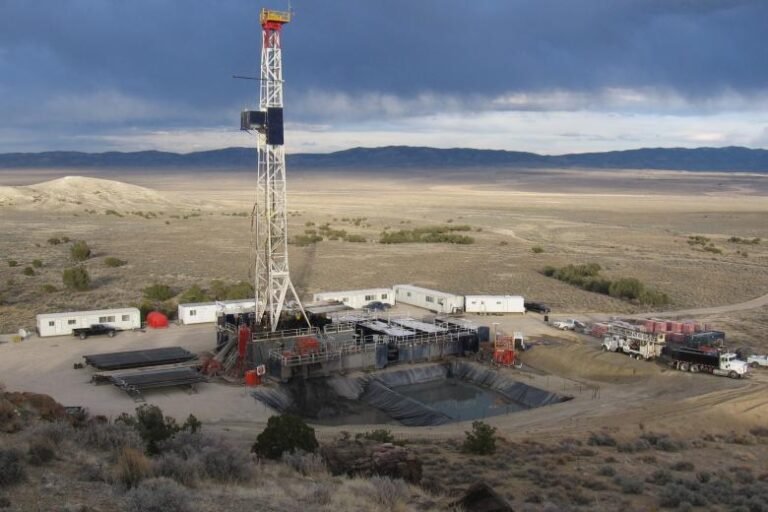
Rotary rigs are essential oil and gas equipment. These machines bore wells into the earth. Workers extract crude oil and natural gas. Their presence shows efforts to develop energy reserves.
Baker Hughes’ Contribution
Baker Hughes, an energy technology firm, publishes this recognized rig count weekly. This report provides timely information to market analysts. It reflects drilling activity changes.
Analyzing the Weekly Change
The recent two-rig decline represents a minor shift. Week-over-week fluctuations are common. Market participants examine broader trends. A single week’s data provides limited long-term insight.
Interpreting Short-Term Movements
A reduction in active rigs suggests possibilities. It might signal a temporary pause in drilling. Companies could optimize operations. Economic adjustments might play a role. Specific conclusions remain speculative.
Broader Industry Context
The North American energy landscape constantly evolves. Commodity prices, operational costs, and regulations influence drilling. This week shows a slight dip. The broader picture involves continuous adjustments. Companies adapt strategies to market conditions.
In summary, North America saw a marginal decrease of two active rotary rigs this past week. Baker Hughes’ latest report highlighted this change. This adjustment contributes to the region’s dynamic energy sector. Observers will monitor future reports for trends.




Leave a Comment