

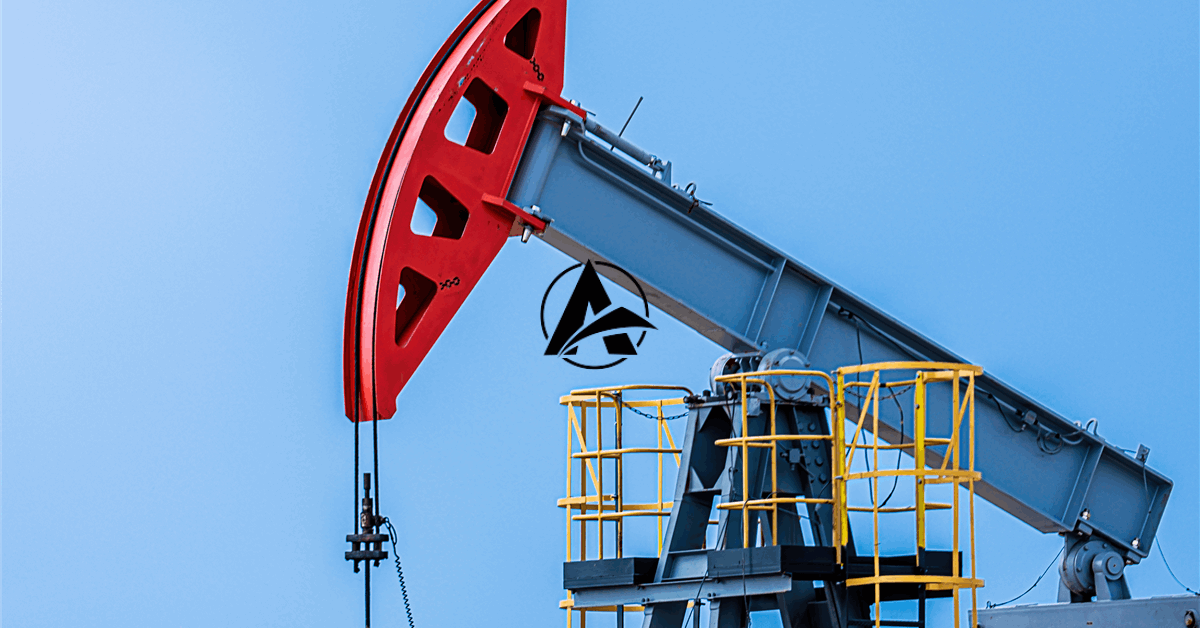

North America‘s active rig count rose by six units this past week, Baker Hughes reported. This modest rise signals a slight uptick in drilling. The figures stem from its closely watched North America rotary rig count.

Understanding Rig Count Metrics
Observers monitor the rotary rig count. This metric reflects active drilling rigs seeking oil and natural gas. An increase often indicates producer confidence in future demand.
Companies deploy rigs to explore new reserves or expand output. The rig count serves as a barometer for upstream energy health. It offers insight into operations.
Baker Hughes: An Industry Standard
Baker Hughes releases its North America rotary rig count weekly. Energy professionals and analysts follow this report globally. The company established its survey as a leading indicator, providing consistent data.
The report covers oil and gas drilling across the continent. Its comprehensive nature makes it essential for assessing exploration and production trends. Stakeholders use this data for planning.
Implications of the Weekly Change
A six-rig increase, though modest, represents positive movement. It suggests a stable or cautiously expanding environment. This small week-on-week gain reflects ongoing investment in North American energy.
Such changes influence the energy market. Increased drilling activity translates into higher potential supply. It also impacts support services and related industries.




Leave a Comment