

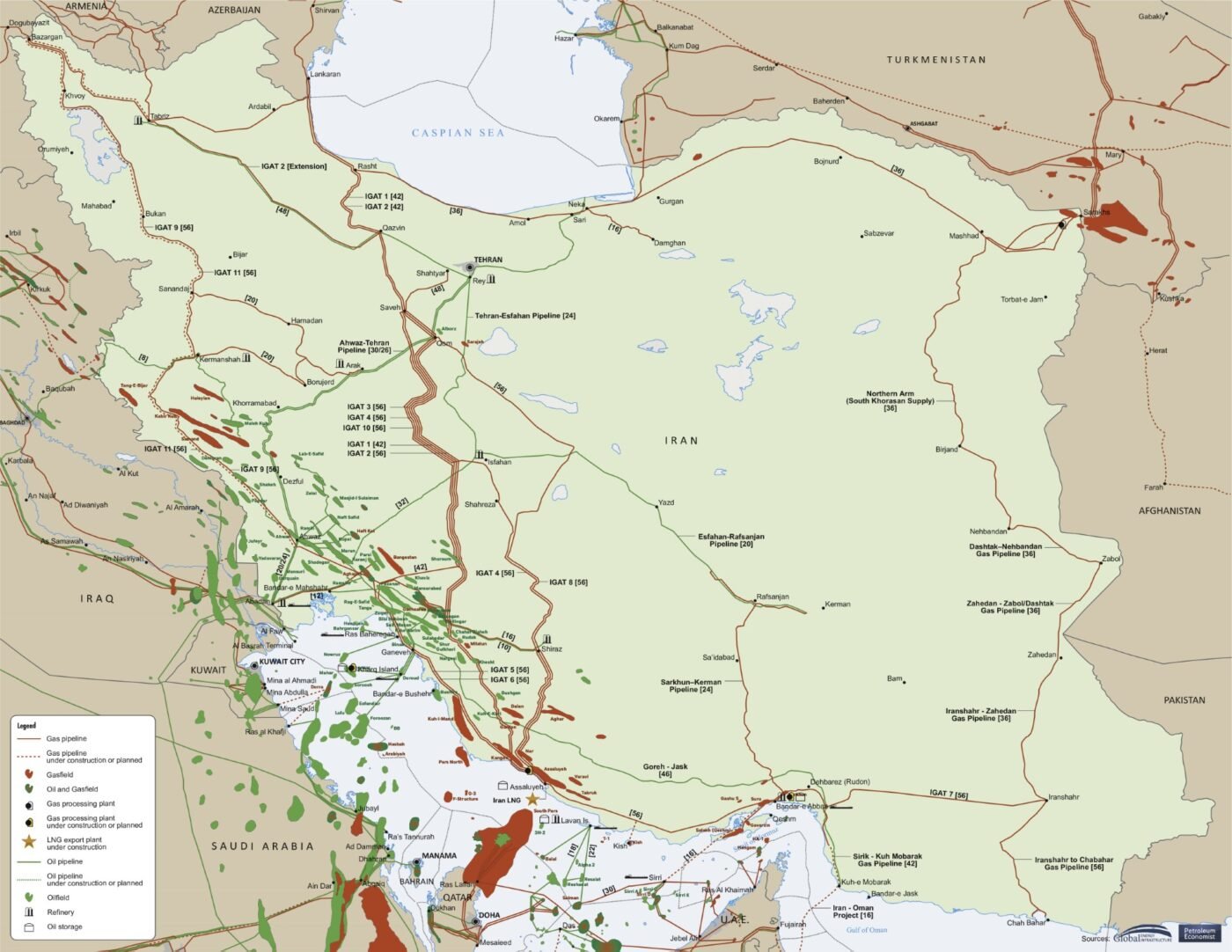

Oil prices have dramatically surged past $100 a barrel, severely disrupting global energy markets. This sharp increase stems directly from significant output reductions by Saudi Arabia and other key Gulf producers. An ongoing conflict involving Iran reportedly triggered these escalating events.
Production Cuts and Supply Concerns
Saudi Arabia, along with other Gulf nations, implemented substantial oil output cuts. These reductions immediately tightened global supply, prompting analysts to express deep concern over future availability. This move by major producers significantly contributed to the price surge.
Strait of Hormuz Crisis Intensifies
The vital Strait of Hormuz is experiencing a near-closure, creating immense logistical challenges for global trade. This critical chokepoint handles a large portion of the world’s oil shipments.
Shipping and Storage Disruptions
Tanker traffic through the Strait has completely ceased, preventing crude oil from reaching international buyers. Consequently, oil storage tanks across the Persian Gulf are rapidly filling, creating a critical lack of space and further pressure on output.
Geopolitical Conflict Escalates
Reports cited an “Iran war” as the direct trigger for these developments, destabilizing the entire region. The conflict prompts producers to take defensive measures, keeping geopolitical tensions exceptionally high and casting a long shadow over energy security.
Market Outlook and Concerns
Market observers now monitor the situation closely, anticipating continued volatility in oil prices. The confluence of reduced supply and logistical blockades presents a complex challenge, with resolution heavily dependent on regional de-escalation.


Leave a Comment