


The ongoing conflict involving Iran is set to impact global energy markets significantly. Consumers and businesses worldwide could face elevated fuel prices for weeks or months. This scenario persists even if hostilities conclude swiftly.
Market Disruptions Anticipated
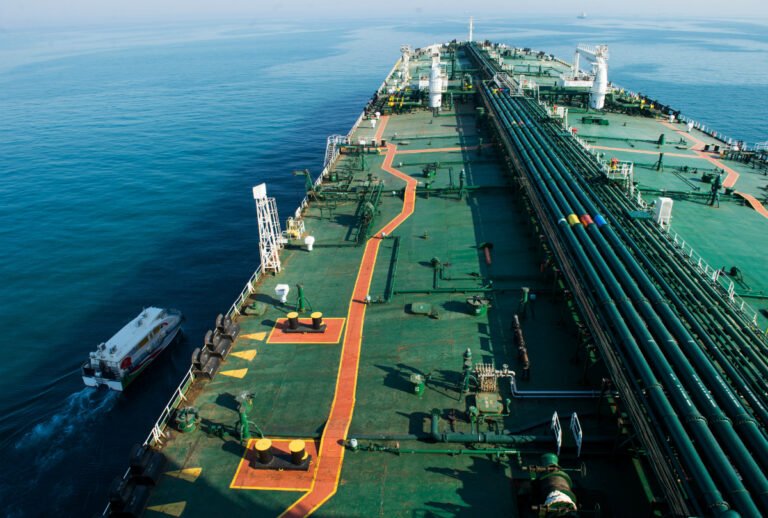
Higher prices stem from challenges faced by energy suppliers. Damaged infrastructure presents a major hurdle. Disrupted logistical chains also complicate efficient fuel movement globally. Elevated risks to maritime shipping further exacerbate the situation.
Supply Chain Strain
Suppliers must navigate these complex issues. Re-establishing secure routes will take time. Moreover, regional instability adds complexity to future planning.
Broader Economic and Political Effects
Beyond energy, this outlook presents a wider global economic threat. Increased energy costs could extend across various industries. Such sustained prices often slow economic growth, potentially triggering inflationary pressures.
U.S. Political Vulnerability
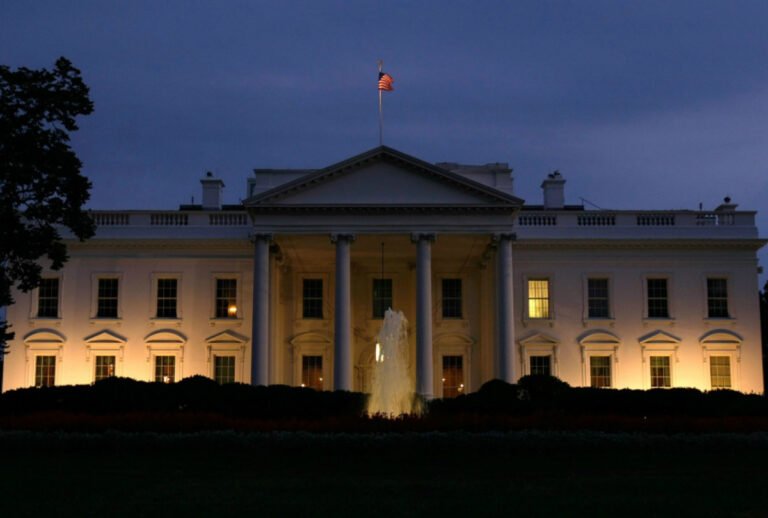
The situation also creates political vulnerability for the U.S. President. High fuel prices frequently draw public scrutiny. Historically, price hikes can impact approval ratings, especially during election cycles.
Even a quick resolution might not immediately stabilize markets. Energy suppliers need substantial time to address damage and restore normal operations. Therefore, prolonged energy market instability remains significant, impacting economies globally.

Leave a Comment