

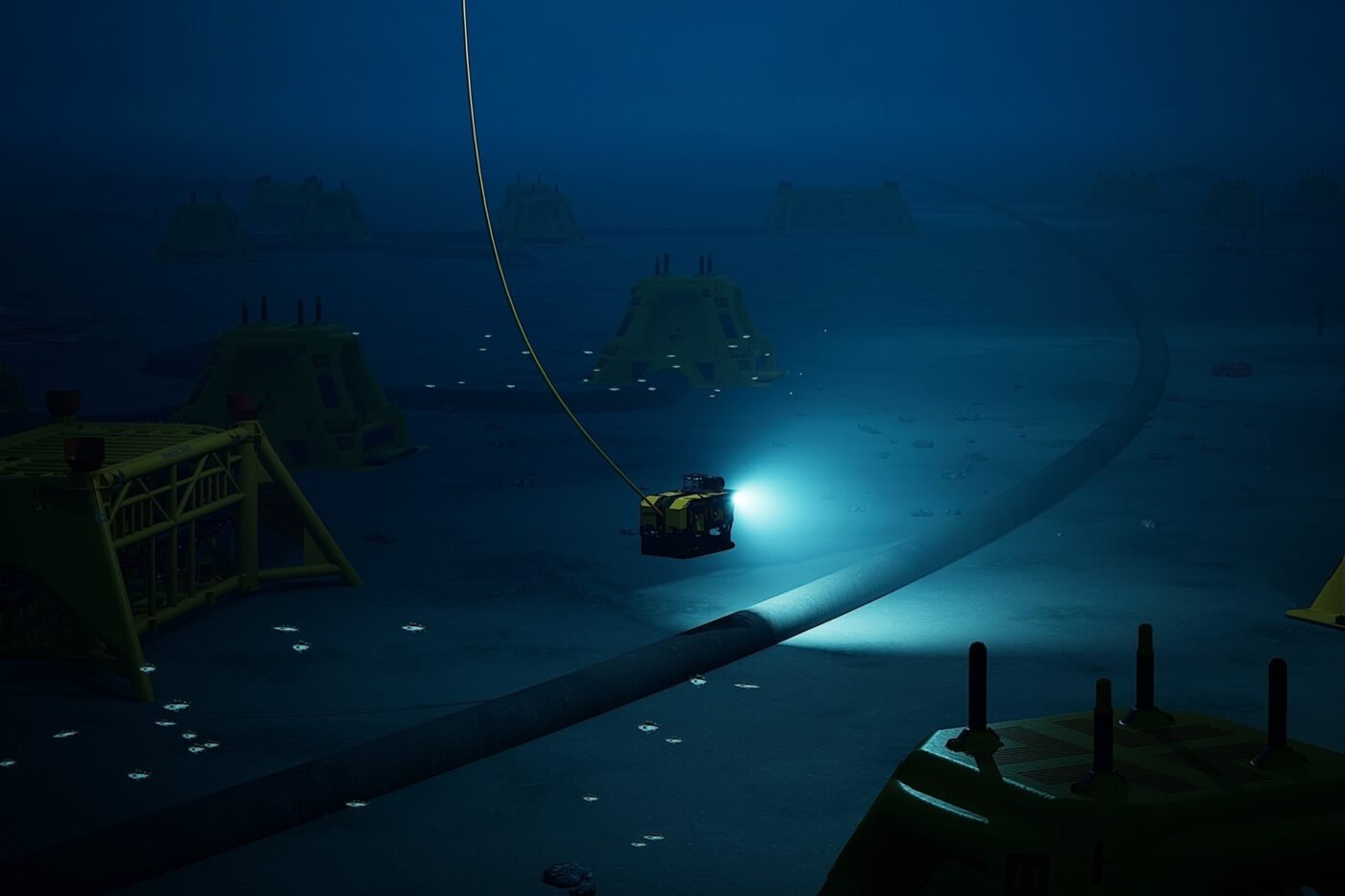

A consortium led by DeepOcean recently developed FlowHeat. This innovative subsea pipeline heating system promises significant advancements. TotalEnergies, Equinor, Aker BP, Tenaris, and LS Cable & System formed the collaborative group.
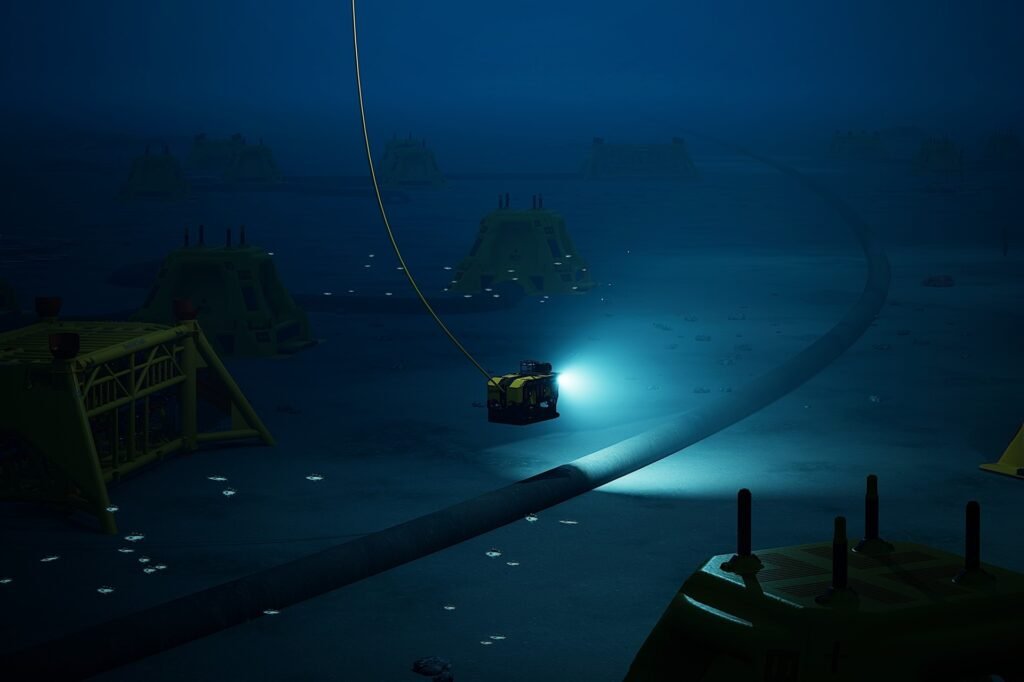
FlowHeat System Overview
FlowHeat functions as a subsea pipeline heating system. Its design targets deepwater projects. The technology aims to enhance operational efficiency and reduce environmental impact.
Key Benefits and Impact
The FlowHeat system offers multiple advantages. It improves deepwater project feasibility and sustainability. These benefits address critical industry challenges.
Economic Advantages
FlowHeat reduces installation costs by 35%. This saving makes deepwater developments more economically viable. Project budgets will see considerable positive impacts.
Environmental Improvements
The system cuts emissions by 30%. This reduction supports environmental sustainability goals. It represents a notable step towards greener subsea operations.
Operational Expansion
Furthermore, FlowHeat extends the tieback reach. Deepwater projects can connect over distances of 30 to 50 kilometers. This capability opens new possibilities for field layouts.
The Consortium Behind the Innovation
DeepOcean spearheaded FlowHeat’s development. The consortium included several key industry players. TotalEnergies, Equinor, and Aker BP contributed to the project. Tenaris and LS Cable & System also participated. This collaborative effort brought the innovative system to fruition.
FlowHeat represents a significant technological leap. It offers substantial reductions in cost and emissions. The system expands operational capabilities for deepwater projects. This innovation could redefine subsea energy development.





1 Comment