

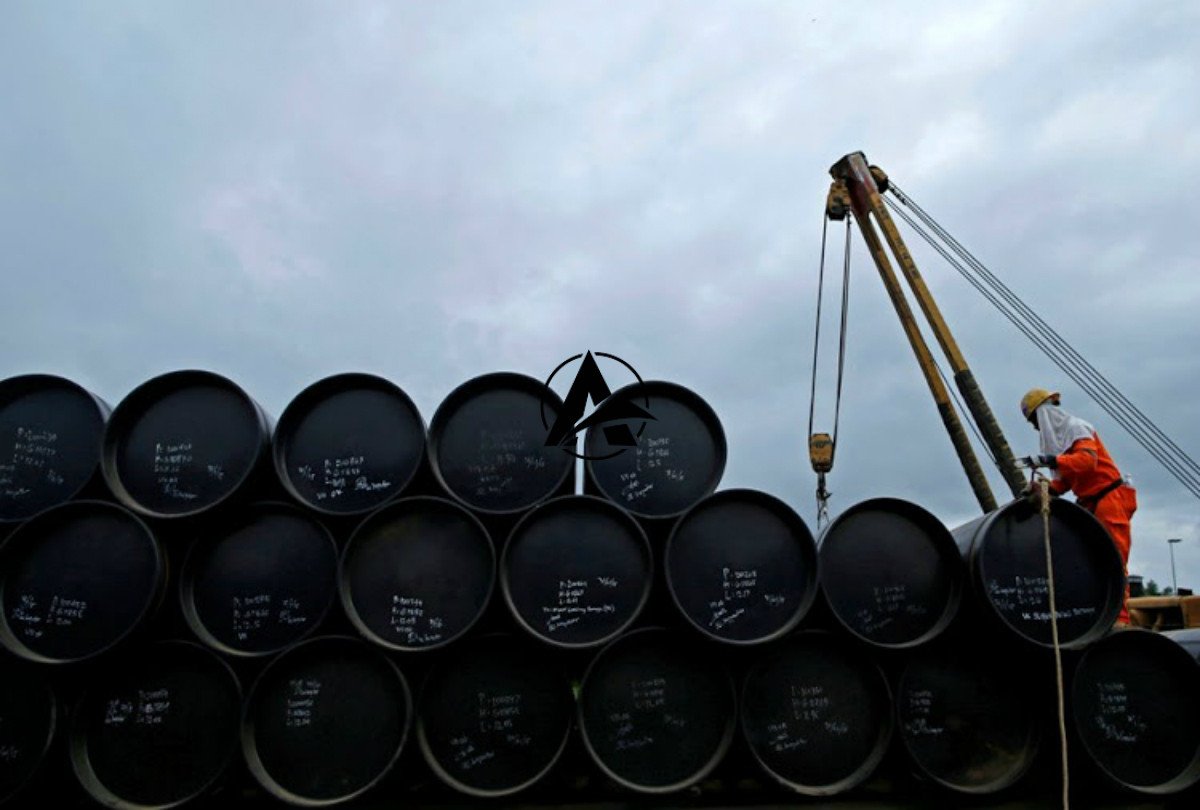

The International Energy Agency (IEA) announced on Thursday that the Middle East conflict is causing the most significant oil supply disruption in history. This critical assessment highlights the profound impact of regional instability. The agency’s statement underscores growing concerns for global energy markets.
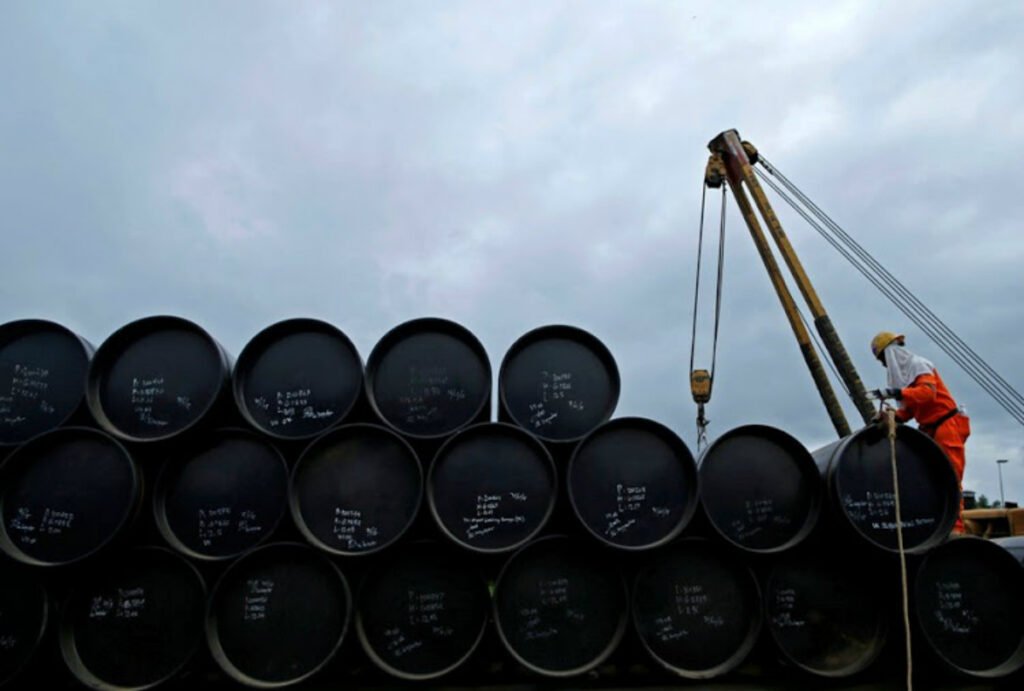
Anticipating severe shortages and sharp price increases, the IEA took action. The previous day, it committed to releasing an unprecedented volume of oil. This oil will come from strategic reserves. This measure aims to mitigate potential market instability.
Projected Supply Reduction
The IEA forecasts a substantial reduction in global oil supply. Experts project a decrease of 8 million barrels. This significant drop directly correlates with the ongoing conflict’s effects. Such a reduction could strain international energy resources.
Market Implications
The projected supply disruption carries serious implications for global markets. Consumers and industries may face higher energy costs. Consequently, economic stability could also be affected. The IEA’s proactive measures aim to cushion these impacts.
Historical Context
This current situation represents the largest oil supply disruption ever recorded. Previous geopolitical events have also impacted oil flows. However, the scale of this projected reduction surpasses all prior incidents. The agency emphasizes the unique challenge presented by the Middle East conflict.
The International Energy Agency’s warning highlights a critical juncture for global energy security. Its swift decision to release strategic reserves demonstrates the urgency of the situation. Stakeholders worldwide are now closely monitoring developments. This unprecedented disruption demands careful international attention.


Leave a Comment