

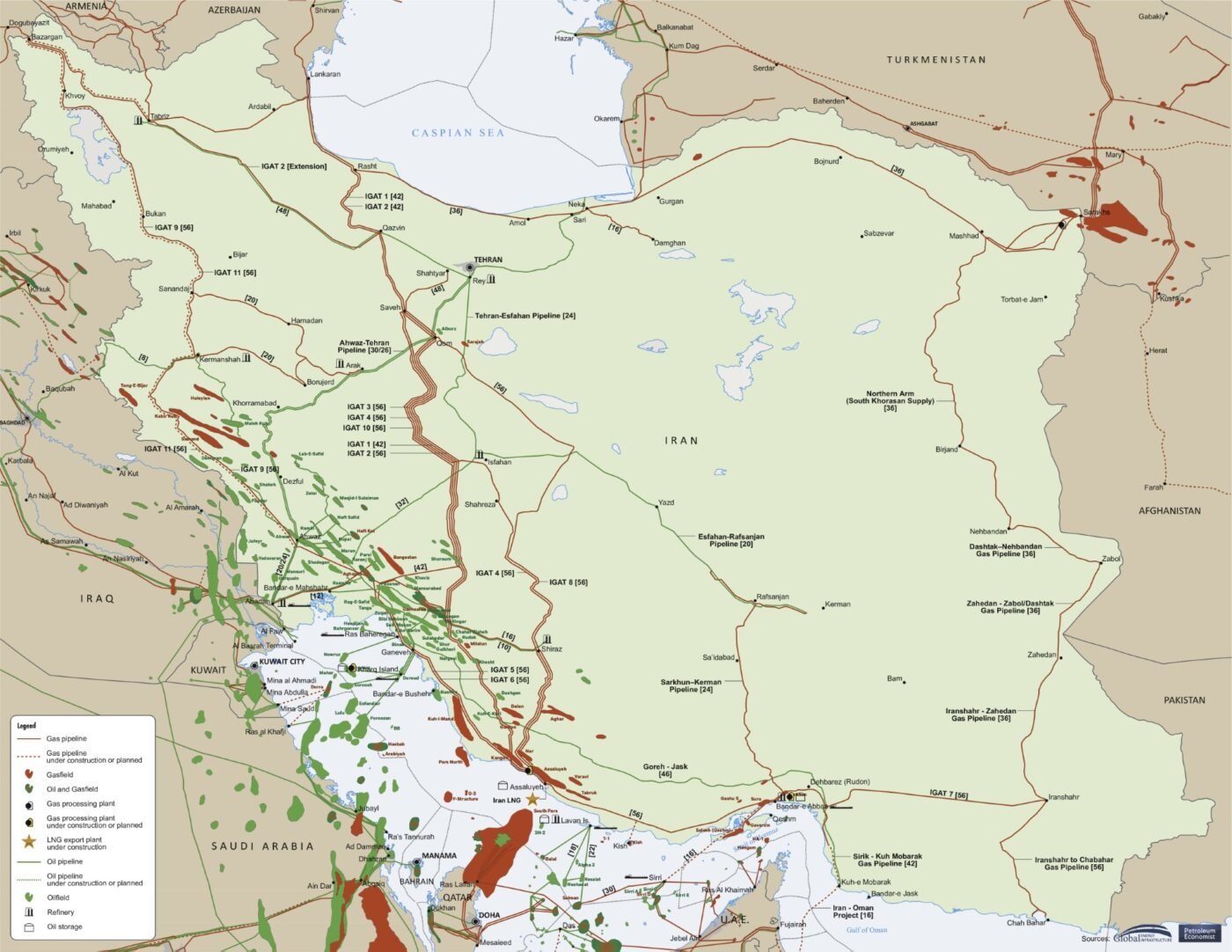

The International Energy Agency (IEA) sees no immediate need to release emergency oil reserves. This determination follows recent disruptions in the Strait of Hormuz. The Strait of Hormuz is a critical global shipping artery. The IEA’s assessment highlights confidence in the current state of the international oil market.
Global Supply Position
A primary factor in the IEA’s decision is the ample global oil supply. The agency notes the current abundance of crude oil available worldwide. This robust supply provides significant stability. It mitigates concerns about potential shortages despite regional incidents.
Strait of Hormuz Activity
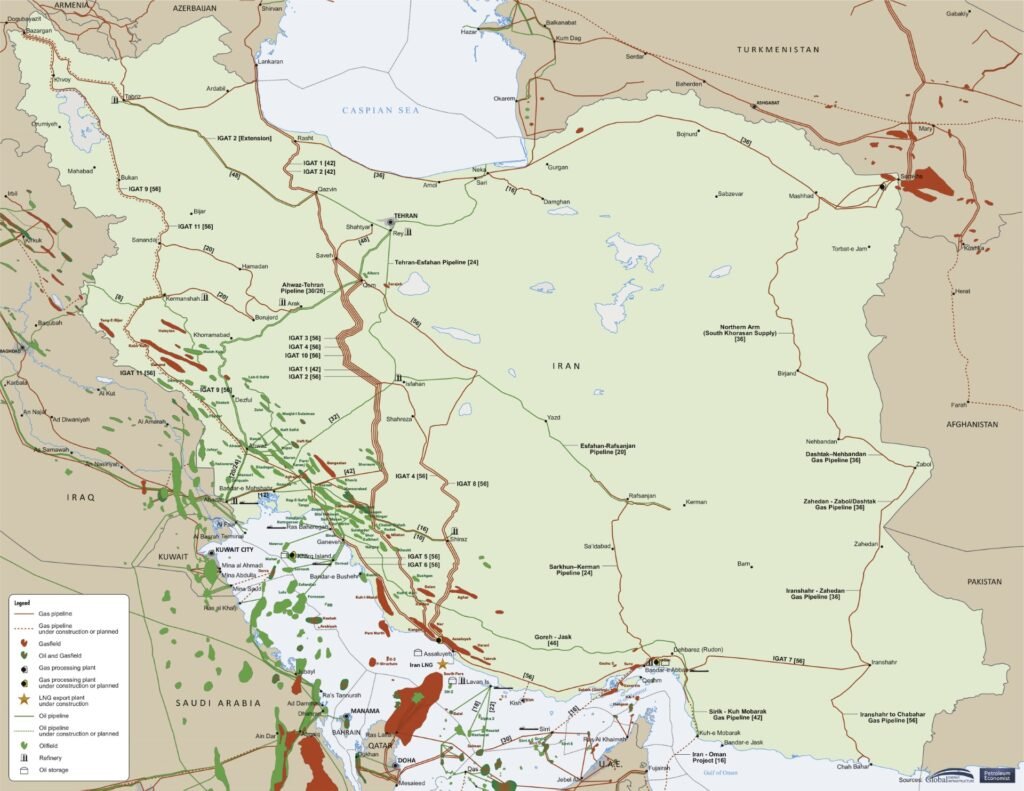
The Strait of Hormuz is a narrow passage. It connects the Persian Gulf to the open ocean. This waterway frequently experiences high shipping traffic. Recent events in this strategic area included various disruptions. These incidents often prompt close monitoring by energy organizations. The strait’s importance for oil transit makes this vigilance crucial.
Temporary Logistical Impacts
Furthermore, the IEA views the logistical impacts from the ongoing Iran conflict as temporary. The agency’s analysis suggests these disruptions have not created a lasting imbalance in global oil availability. Officials believe the market can absorb these short-term challenges. This absorption occurs without requiring an emergency release of reserves.
Therefore, the IEA maintains its position regarding emergency reserves. It concludes that current market conditions do not warrant intervention. The transient nature of recent logistical issues also supports this stance. The agency continues to monitor global energy markets closely.




Leave a Comment