



Global oil prices, including Brent and West Texas Intermediate (WTI) crude, saw a 2% increase on Monday. This surge stemmed from immediate supply concerns and broader geopolitical tensions. Market participants reacted to several key developments impacting the energy sector.

Immediate Supply Disruptions
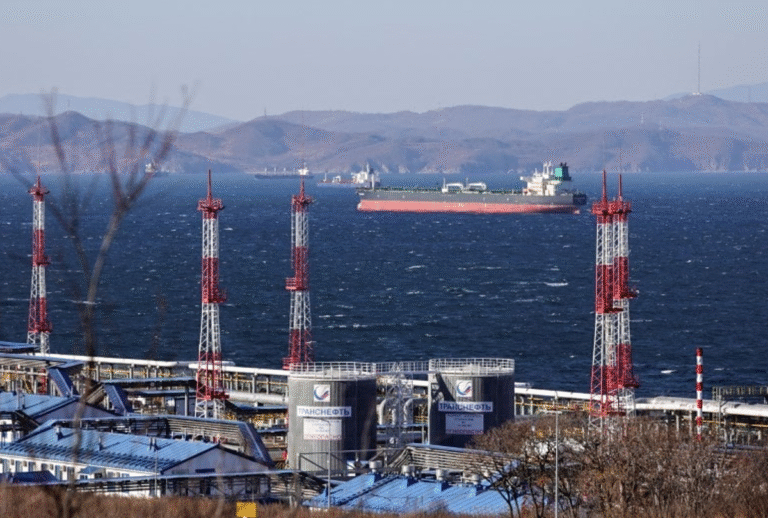
The Caspian Pipeline Consortium (CPC) halted its oil exports. A major drone attack preceded this suspension. The CPC pipeline serves as a crucial route for crude oil transport from Kazakhstan and Russia to the Black Sea.
This export halt immediately tightened the available global supply. Traders and analysts closely monitored the developing situation. The disruption underscored the vulnerability of critical energy infrastructure to external events.
Geopolitical Tensions Fuel Worries
U.S.-Venezuela Dynamics
Escalating tensions between the United States and Venezuela further fueled market anxieties. These developments raised additional concerns about future global oil supply. Venezuela possesses some of the world’s largest proven oil reserves.
Investors assessed the potential implications of these geopolitical strains. Such tensions often introduce uncertainty into commodity markets. They can also impact production and export capabilities from key regions.
OPEC+ Maintains Production Levels
Meanwhile, the OPEC+ alliance also made a significant announcement. The group agreed to maintain its current oil output levels. This decision applies through the first quarter of 2026.
This move signals the alliance’s strategy for market stability and supply management. It could further influence global market dynamics in the coming months. Analysts are evaluating the long-term effects of this unchanged output policy.
Overall, Monday’s price surge reflected a confluence of factors. Immediate disruptions to a major pipeline combined with ongoing geopolitical concerns. The OPEC+ decision added another layer to the complex global market outlook for crude oil.



2 Comments