

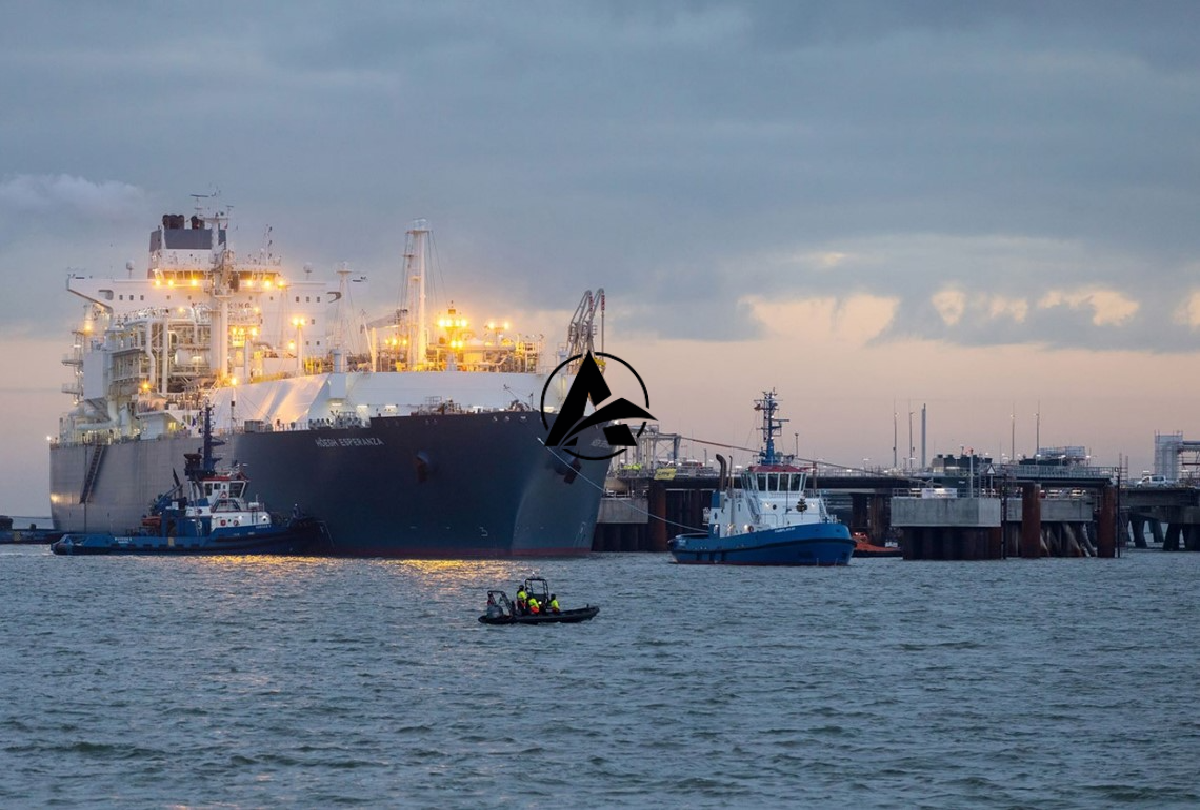

Germany is actively establishing new natural gas import terminals. This initiative forms a crucial component of its strategy to replace piped gas supplies from Russia. The effort directly responds to Russia’s full-scale invasion of Ukraine in 2022. This event prompted a significant reevaluation of Germany’s energy security.
Strategic Energy Independence
The Ukraine conflict fundamentally reshaped Germany’s energy policy. Before 2022, Russia supplied a substantial portion of Germany’s gas. Berlin now prioritizes diversifying energy sources. This shift aims to bolster national energy independence.
Reducing Russian Gas Reliance
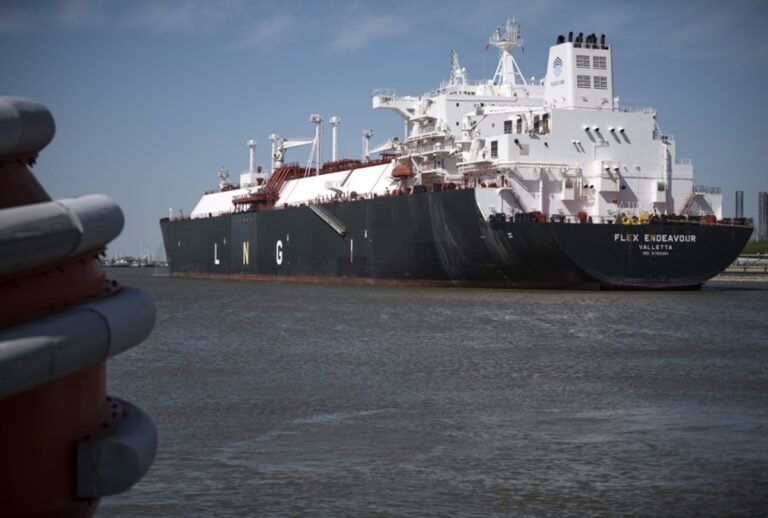
New import terminals offer alternatives to previous Russian supplies. These facilities facilitate the entry of Liquefied Natural Gas (LNG). LNG arrives by ship from various international producers. This diversification lessens geopolitical vulnerabilities. Germany actively seeks new global partnerships for gas procurement.
Key Infrastructure Developments
Germany is undertaking multiple terminal projects nationwide. These facilities are critical for the nation’s energy future. They provide infrastructure for receiving and processing imported LNG. These developments represent a major investment in energy resilience.
Stade Terminal Advancement
Among these projects, the Elbe River terminal at Stade stands out. This facility will significantly boost Germany’s import capabilities. Project planners anticipate operations to commence in the second quarter of 2026 at the earliest. This timeline reflects ongoing construction and regulatory processes. Reuters reported this development from Frankfurt on November 18.
Germany’s LNG infrastructure investment marks a profound energy policy shift. These terminals are vital for securing future energy needs. The nation builds a resilient, diversified gas supply network.


1 Comment