

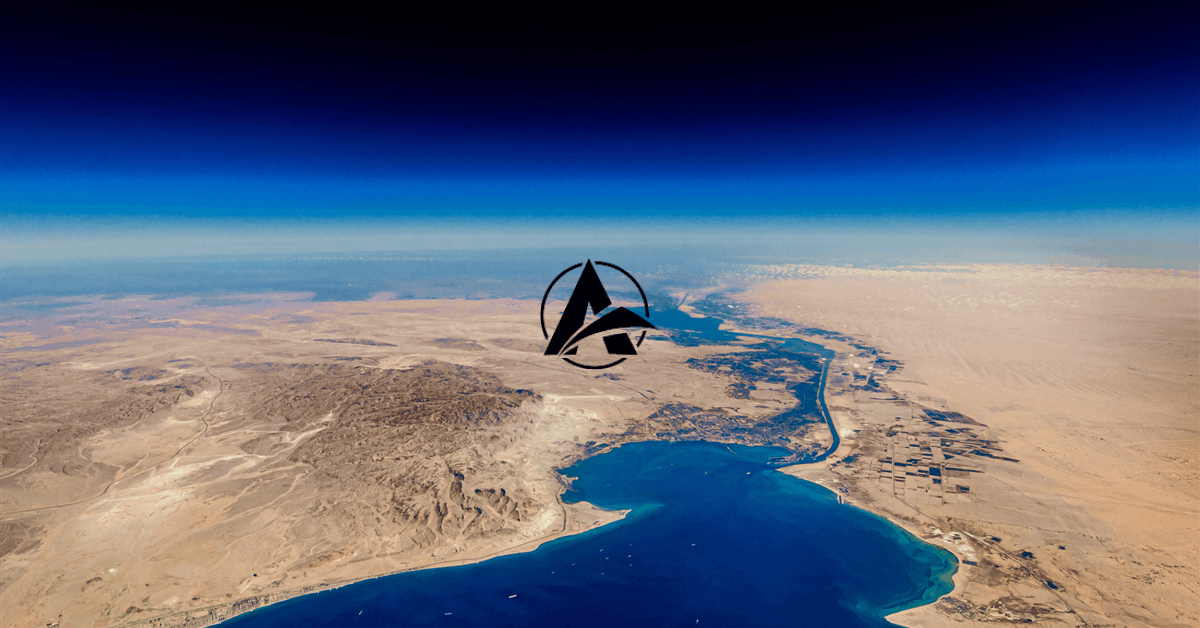

A renewed state of geopolitical tension is significantly impacting international shipping. The U.S. and Israel are currently engaged in a war with Iran. This escalating conflict has prompted shippers to divert routes away from the critical Suez Canal. Consequently, this development dashed previous hopes for the waterway’s sustained revival and consistent usage.
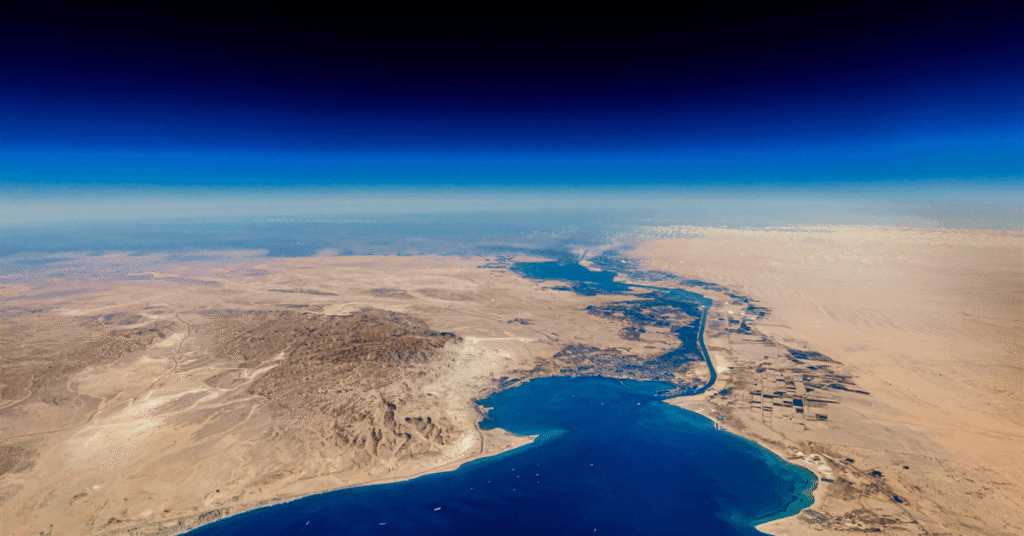
Geopolitical Undercurrents Intensify
The ongoing conflict between the U.S., Israel, and Iran forms the core of the current maritime disruption. This geopolitical situation has created an unstable environment in a strategically vital region. Shippers now perceive increased risks when navigating through the Suez Canal area. The escalation underscores a complex and volatile international landscape.
Conflict’s Direct Impact
The declaration of war directly influences shipping decisions. Companies prioritize the safety of their vessels and crews. They also seek to protect valuable cargo. Therefore, many entities choose alternative, often longer, maritime pathways. This widespread avoidance reflects serious concerns about regional security.
Suez Canal’s Strategic Importance
The Suez Canal serves as a crucial artery for global trade. It links the Mediterranean Sea to the Red Sea, offering a direct route between Europe and Asia. The waterway eliminates the need for ships to navigate around the African continent. This strategic importance makes any disruption significant for international commerce and supply chains.
Previous Hopes Undermined
Recent periods saw optimism for the Suez Canal’s consistent operation. Efforts focused on enhancing its capacity and appeal to global shipping firms. However, the current geopolitical climate has largely undermined these initiatives. The renewed conflict negates prospects for immediate stability in this vital shipping lane, creating uncertainty.
Disruption to Global Maritime Trade
Shippers’ decisions to bypass the Suez Canal introduce considerable complexities. They must now consider alternative routes, which often extend transit times. This shift impacts global supply chain efficiency. It also creates significant uncertainty for logistics planners worldwide, affecting delivery schedules.
Economic Repercussions
Disruptions to major trade arteries typically have far-reaching economic consequences. Businesses often face increased operational costs due to longer journeys. Consumers might experience delays in product delivery and potentially higher prices. The global economy feels the ripple effects of such instability across various sectors.




Leave a Comment