

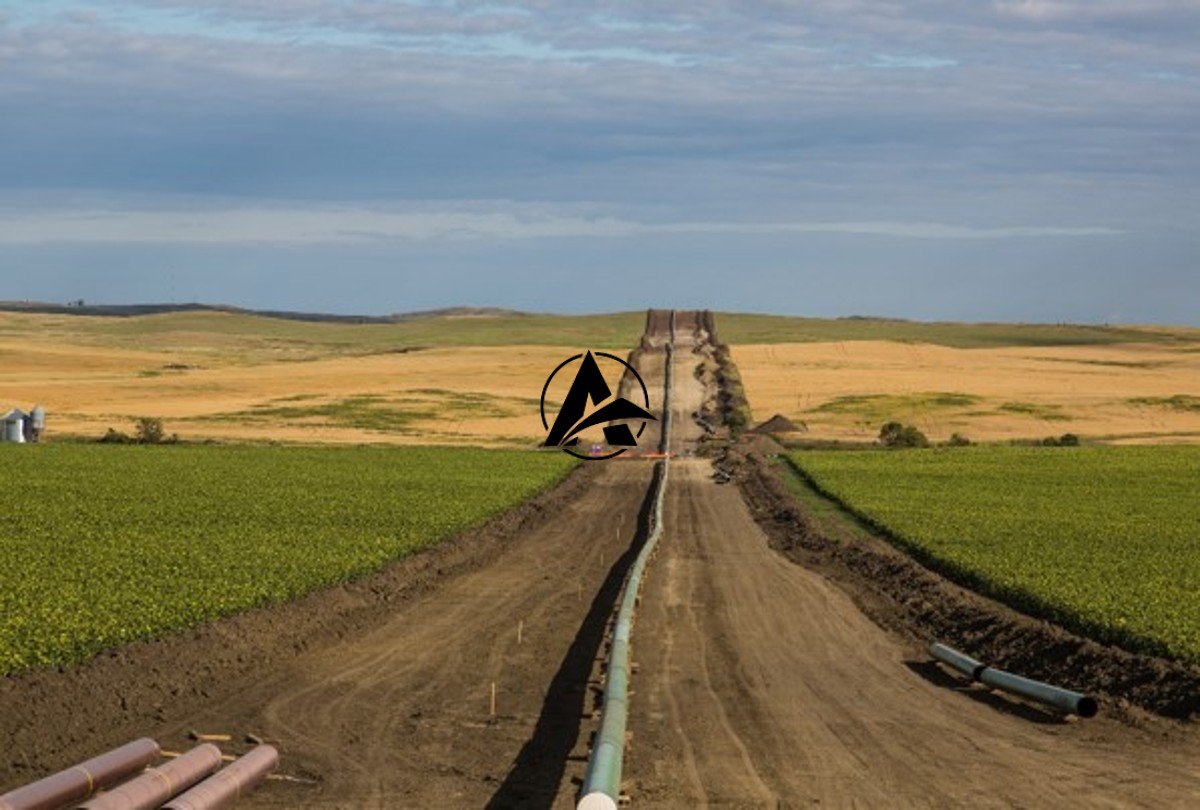

The U.S. Army Corps of Engineers recently released a long-anticipated Environmental Impact Statement (EIS) for the Dakota Access Pipeline (DAPL). Issued on Friday, the document recommends continued operation of the oil pipeline. This recommendation, however, includes specific conditions.
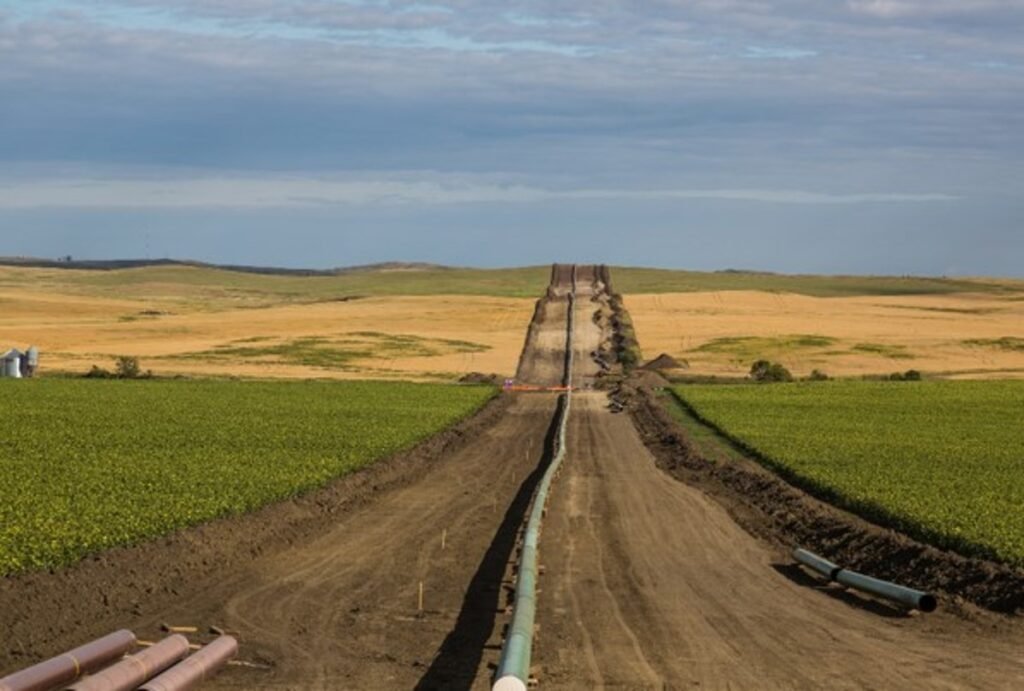
EIS Findings and Recommendation
The Environmental Impact Statement from the U.S. Army Corps of Engineers suggests the Dakota Access Pipeline should maintain its current operations. The Corps stipulates specific conditions for this continuation. These conditions aim to address various aspects related to the pipeline’s environmental footprint and safety protocols.
Regulatory Context of the EIS
An EIS is a crucial regulatory document. U.S. law mandates its creation. It evaluates the environmental effects of major federal actions. This requirement ensures thorough assessment before project implementation or continuation.
Purpose of the Statement
The statement’s primary purpose involves assessing potential environmental impacts. It helps decision-makers understand consequences. Consequently, the EIS informs federal agencies regarding responsible project management. It provides a comprehensive analysis of potential risks and benefits.
Implications for Dakota Access Pipeline
Industry observers widely consider the EIS findings a significant positive development for the Dakota Access Pipeline. Many view this outcome as favorable for the project’s future. The report provides a pathway for the pipeline to continue its service.
The Dakota Access Pipeline has faced considerable scrutiny. This federal recommendation offers clarity on its operational status. It marks a notable point in the pipeline’s ongoing regulatory journey.




Leave a Comment