

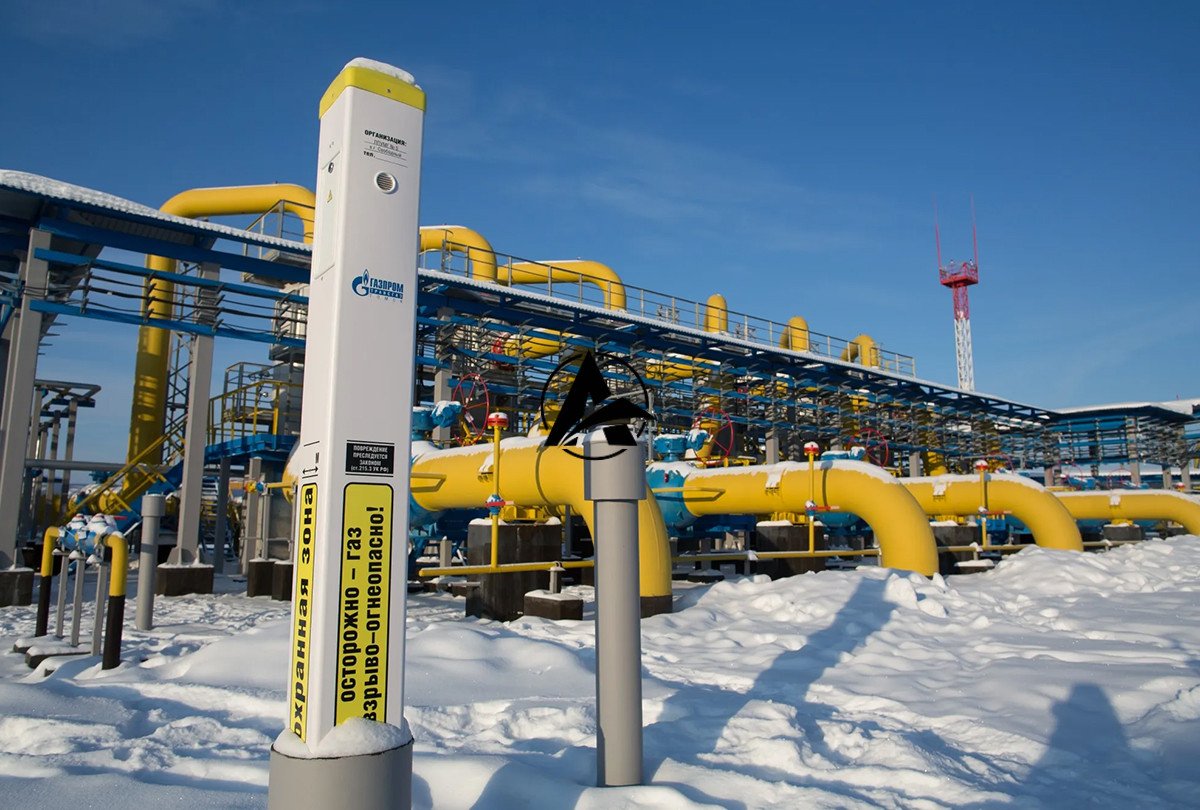

The European Union has finalized a significant agreement to phase out its reliance on Russian gas imports by 2027. This accelerated timeline represents a faster divestment from Russian energy than initially planned. The deal aims to definitively sever the bloc’s energy ties with Russia.
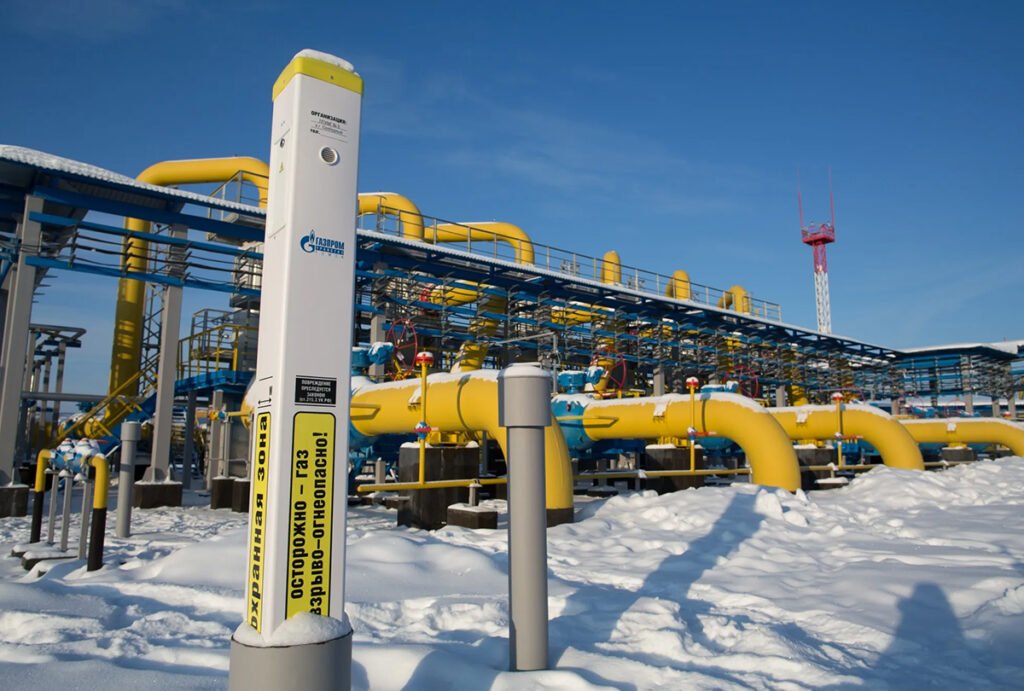
Historical Context
Past Dependence
Russia historically served as the EU’s primary energy supplier. This long-standing relationship provided a substantial portion of the bloc’s gas needs for decades. European nations developed significant infrastructure for Russian gas delivery during this period.
Strategic Shift
Post-Invasion Reassessment
This strategic move comes in the aftermath of Russia’s invasion of Ukraine. The conflict prompted a comprehensive reevaluation of the EU’s energy security and geopolitical dependencies. Leaders recognized the imperative to reduce reliance on a single external supplier.
Consequently, the EU pushed for a faster transition away from Russian fossil fuels. The new agreement solidifies this commitment. It provides a clear roadmap for member states to secure alternative energy sources.
Market Implications
Global Monitoring
Since the conflict began, global energy markets have closely monitored the EU’s policy shifts. Traders and energy companies specifically observed the bloc’s strategy regarding its energy supply. The phase-out creates new opportunities and challenges for the global gas market.
The 2027 target underscores the EU’s determination to enhance its energy independence. This agreement marks a pivotal moment for European energy policy. It signals a new era for the bloc’s energy landscape and international relations.

Leave a Comment