

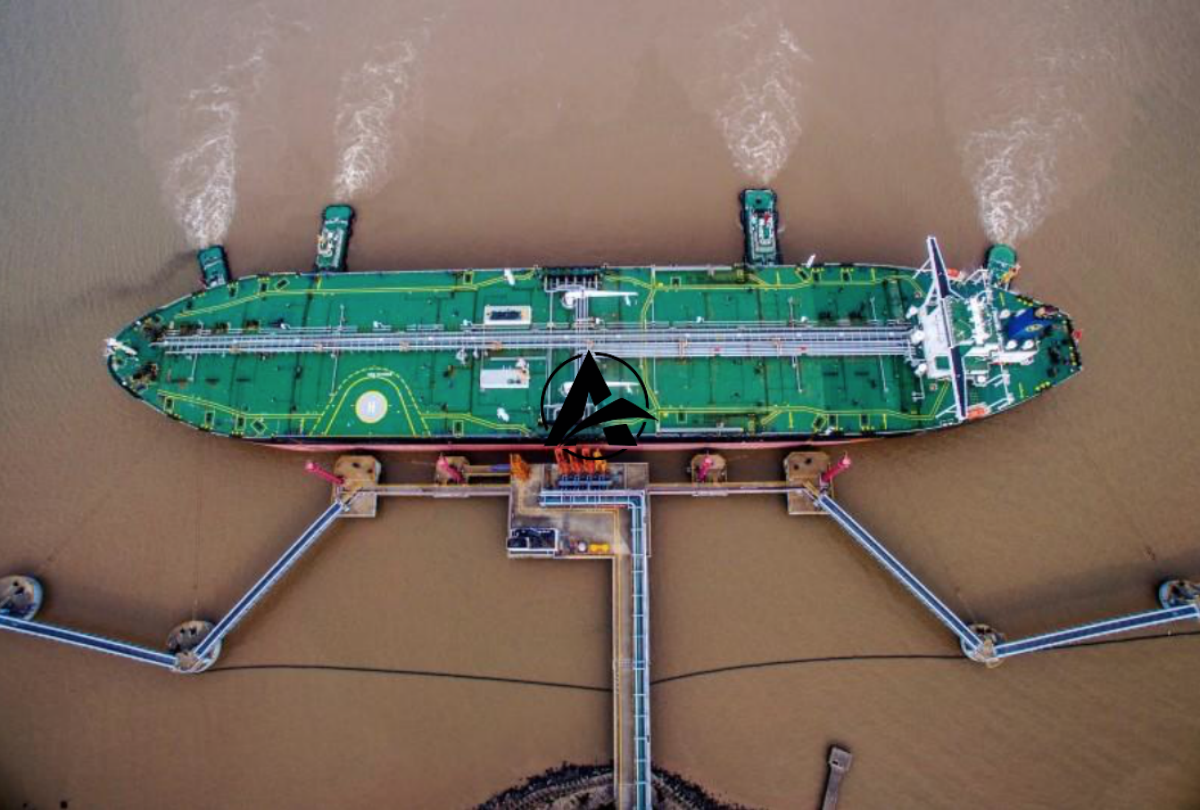

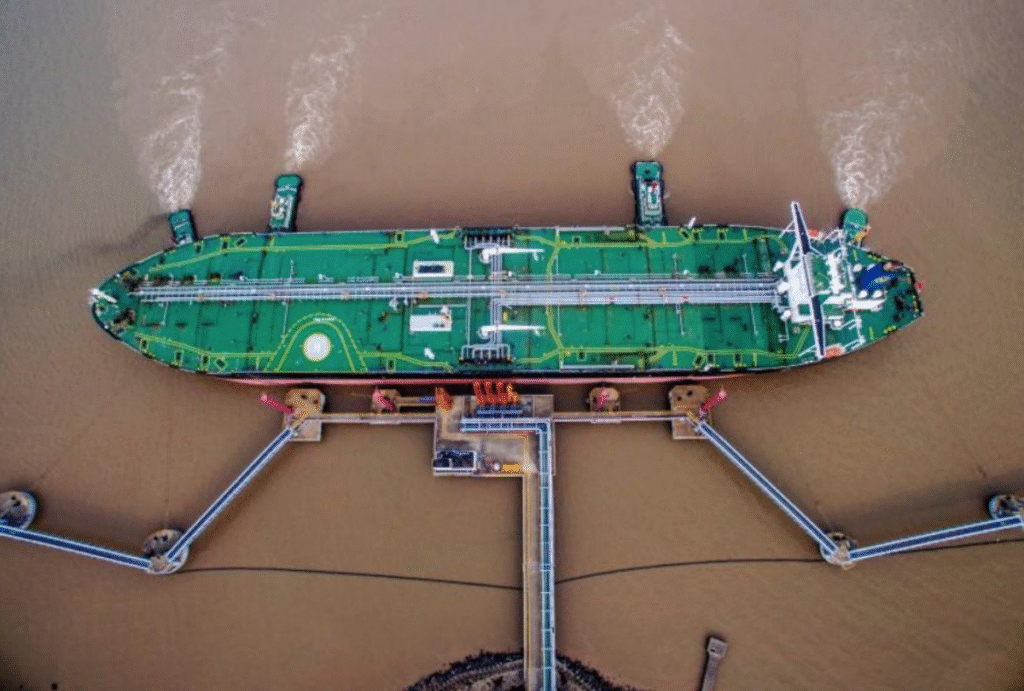
Global petroleum transport by sea has transformed from a routine commercial activity into a high-stakes environment. An intensifying “cold war” on sanctioned oil now makes shipping blacklisted barrels increasingly perilous. This trend is reshaping maritime commerce significantly.
Heightened Risks Emerge
Recent drone strikes and direct boarding operations highlight this growing danger for vessels. Such incidents significantly raise the risk profile for maritime petroleum logistics. Shipping companies must now navigate a more complex and unpredictable landscape.
Enforcement Measures Intensify
The United States recently demonstrated its active enforcement measures. On Wednesday, authorities seized a tanker reportedly carrying up to two million barrels of Venezuelan oil. This particular incident underscores the volatile nature of the current environment.
This seizure exemplifies the direct actions deployed against sanctioned shipments. These operations demonstrate a firm commitment to enforcing international sanctions. Consequently, operators face increasing scrutiny and potential interdiction.
Industry Adapts to New Realities
Hauling petroleum around the world is no longer a humdrum business. The traditional commercial aspects of shipping now intertwine with geopolitical pressures. This shift demands heightened vigilance from all participants in the supply chain.
The ongoing “cold war” on oil sanctions will likely continue reshaping global shipping practices. Stakeholders must therefore adapt to these evolving challenges. This new era of maritime transport requires enhanced security protocols and strategic planning.
Leave a Comment