

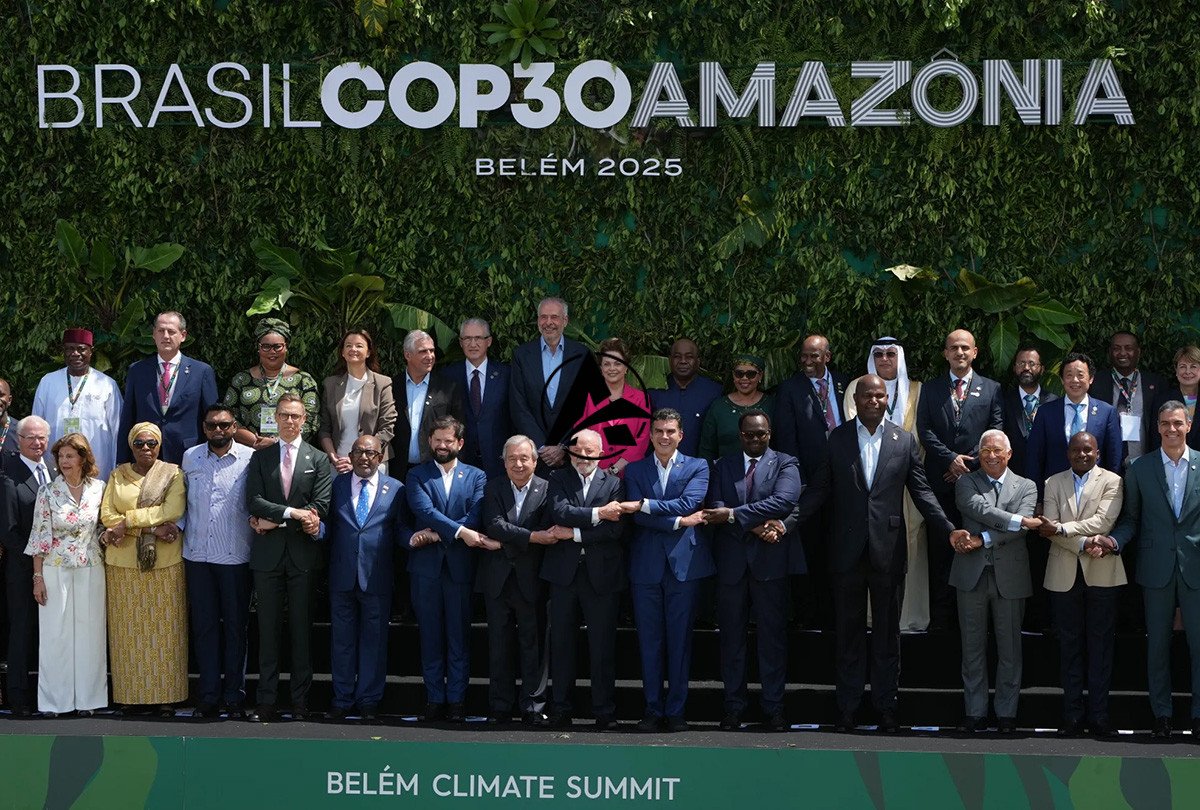

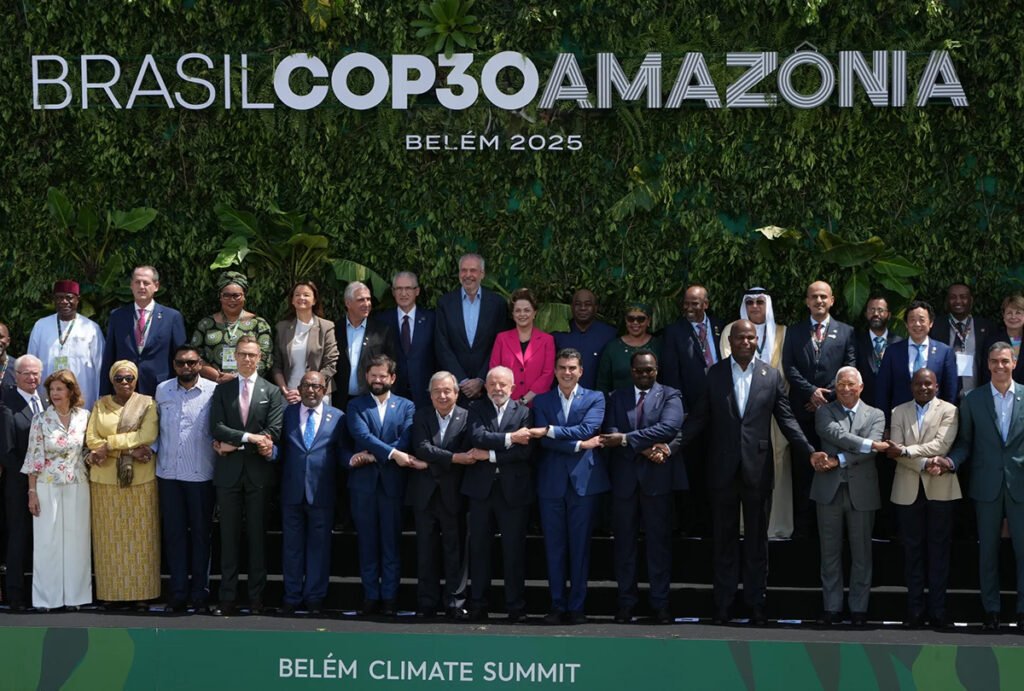
The upcoming COP30 climate summit faces a significant confrontation. Discussions will intensely focus on the future of fossil fuels. The critical issue of climate finance also takes center stage. Brazil, the host nation, recently abandoned efforts to include a global plan for phasing out oil, gas, and coal. This plan was part of its proposed negotiating deal. This development sets a potentially contentious path for international climate negotiations.
Key Summit Confrontations
The COP30 climate summit expects a “last-gasp showdown.” This confrontation primarily addresses the future of fossil fuels. Climate finance also represents a critical point of contention. These two areas form the core of the upcoming negotiations. Participants anticipate strong disagreements over energy transition strategies.
Brazil’s Policy Shift
Brazil, as the designated host for COP30, has reportedly ceased its advocacy. The nation no longer supports a global plan to transition away from oil, gas, and coal. This decision directly impacts Brazil’s proposed deal for climate negotiations. The move signals a shift in the host country’s approach to the summit’s agenda.
Implications for Global Climate Goals
This cessation of efforts by Brazil relates specifically to its proposed deal. The absence of a global fossil fuel phase-out plan could alter the summit’s outcomes. Consequently, many observers believe this decision will complicate achieving ambitious climate targets. Nations will now need to navigate this new dynamic.
Pre-Summit Draft Release
A draft text for a deal at this year’s United Nations climate summit recently became public. Officials released this document before dawn. Its early morning appearance indicates the urgency and complexity of the ongoing negotiations. This text provides a preliminary framework for discussions leading up to COP30. It also highlights areas of potential disagreement.
The release of this draft text further underscores the challenges ahead. The upcoming COP30 summit will likely see intense debates. Nations must reconcile differing views on energy policy and financial commitments. This process will determine the direction of global climate action.



1 Comment