


Africa’s upstream oil and gas sector is experiencing a significant surge in investor interest. This renewed momentum is largely attributed to a series of proactive measures. These include comprehensive regulatory reforms, the introduction of new licensing rounds, and strategic policies prioritizing natural gas development.
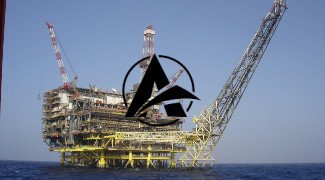
These initiatives are collectively enhancing the “above-ground attractiveness” of key African markets. The improvements span from Angola to Namibia and Nigeria. Such an improved investment climate is expected to underpin a projected increase in exploration and production (E&P) spending across the continent through 2026.
Catalysts for Enhanced Investment
Several strategic shifts contribute to the growing investor confidence. African nations actively implement reforms to streamline operations and reduce investment hurdles. These policy adjustments create a more predictable and favorable business environment for energy companies.
Regulatory Modernization
Governments across Africa are updating their energy sector regulations. These reforms aim to improve transparency and efficiency. They also seek to offer more competitive terms to international investors. This modernization effort helps attract new capital into the upstream sector.
New Licensing Opportunities
Many countries are launching new licensing rounds. These rounds open up fresh acreage for exploration. They provide companies with new opportunities to discover and develop hydrocarbon resources. The availability of new blocks stimulates interest and competition among potential investors.
Gas-Focused Strategies
Policies increasingly prioritize natural gas development. This focus aligns with global energy transition trends. Natural gas offers a cleaner energy source compared to other fossil fuels. Consequently, governments implement incentives and frameworks to boost gas exploration and production.
Key Regional Beneficiaries
Specific African nations stand out in attracting this new investment. Angola, Namibia, and Nigeria exemplify markets benefiting from these strategic reforms. Each country implements tailored approaches to capitalize on its resource potential.
Angola has introduced new legislation to support investment in marginal fields. Namibia continues to draw attention with significant offshore discoveries. Nigeria, a major producer, focuses on gas monetization and improving its operating environment. These efforts collectively boost their appeal to global energy firms.
Outlook for Exploration and Production Spending
The positive changes in the upstream sector project a clear outcome. Analysts forecast a sustained increase in exploration and production spending across Africa. This trend is expected to continue through 2026.
Improved investor sentiment drives this spending growth. Furthermore, the enhanced “above-ground attractiveness” makes African projects more competitive. Companies now view the continent as a more reliable and profitable destination for energy investments. This outlook signals a robust period for Africa’s energy sector.



Leave a Comment