

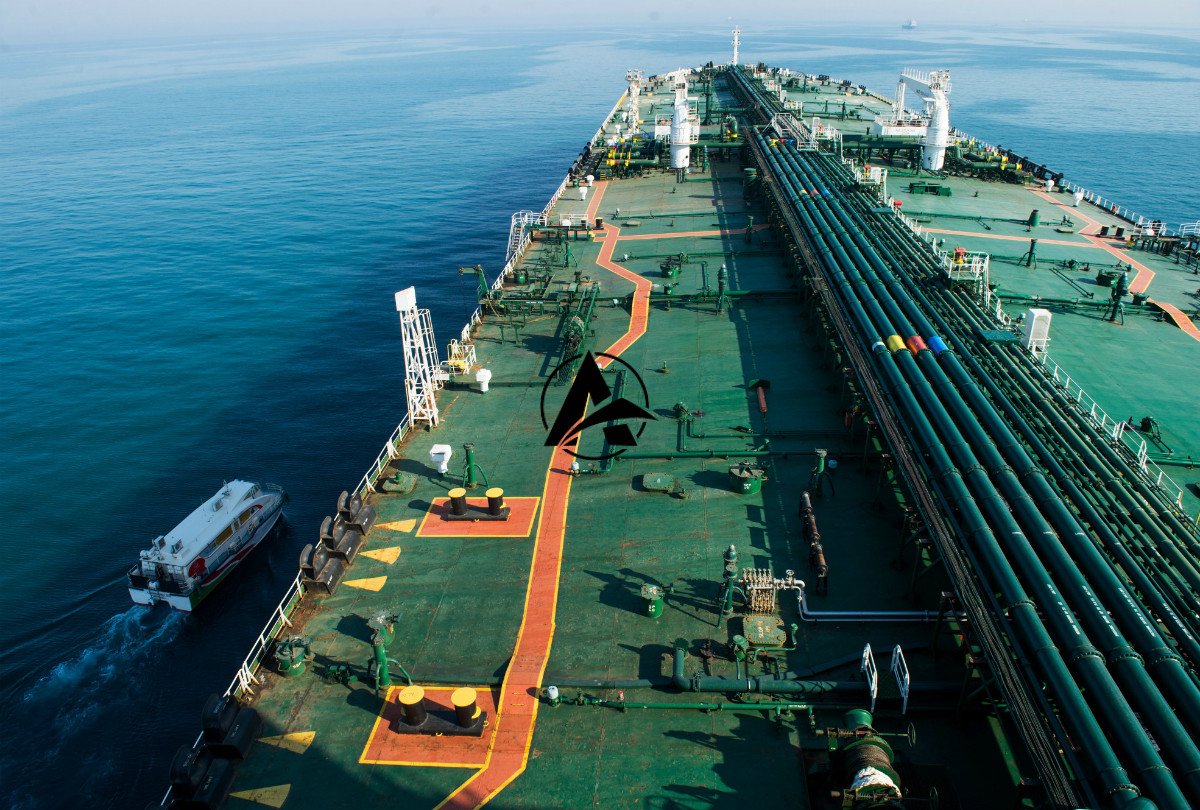

Gulf Cooperation Council (GCC) economies confront their most severe crisis since the global pandemic. Projections indicate several GCC nations will see economic contraction this year. This downturn stems from regional spillovers. The U.S.-Israel war with Iran, near Gulf states, drives the crisis. Its repercussions disrupt the vital energy market, a regional economic cornerstone.
Geopolitical Tensions Mount
The U.S.-Israel war with Iran casts a shadow. Proximity to GCC states creates instability. Tension impacts economic confidence. Consequently, investors adopt a cautious approach.
Energy Market Under Pressure
The conflict disrupts the global energy market. It underpins most GCC economies. Uncertainty surrounds shipping routes. Furthermore, escalations introduce volatility into oil and gas prices.
Price Volatility Concerns
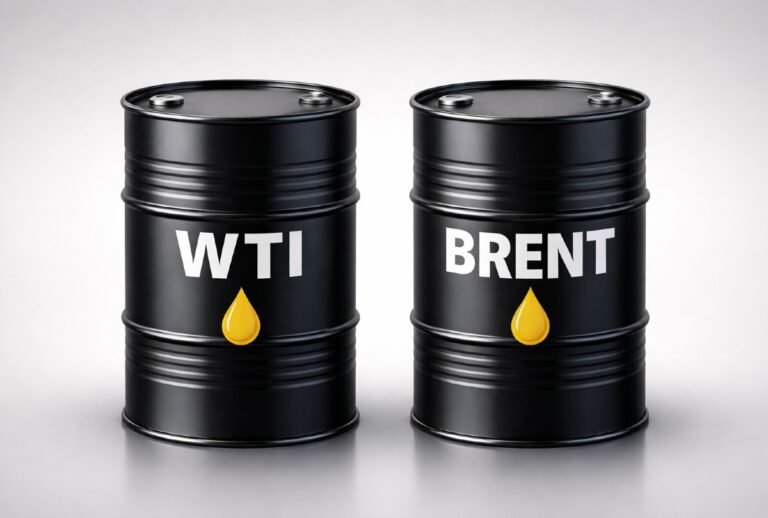
Analysts observe price volatility for crude oil and natural gas. Regional skirmishes cause rapid price fluctuations. Concerns grow about shipping lane security. These fears threaten global energy supplies.
Projected Economic Contraction
Economists project contraction for several GCC economies this year. This marks a reversal. Reduced oil revenues and foreign investment contribute. Inflation may intensify. The pandemic caused the last downturn.
Outlook for Stability
Economic challenges test the GCC. Policymakers navigate complex headwinds. Regional stability remains paramount. Diversification efforts face uncertainty. However, mitigating the war’s economic fallout is the immediate focus.

Leave a Comment