

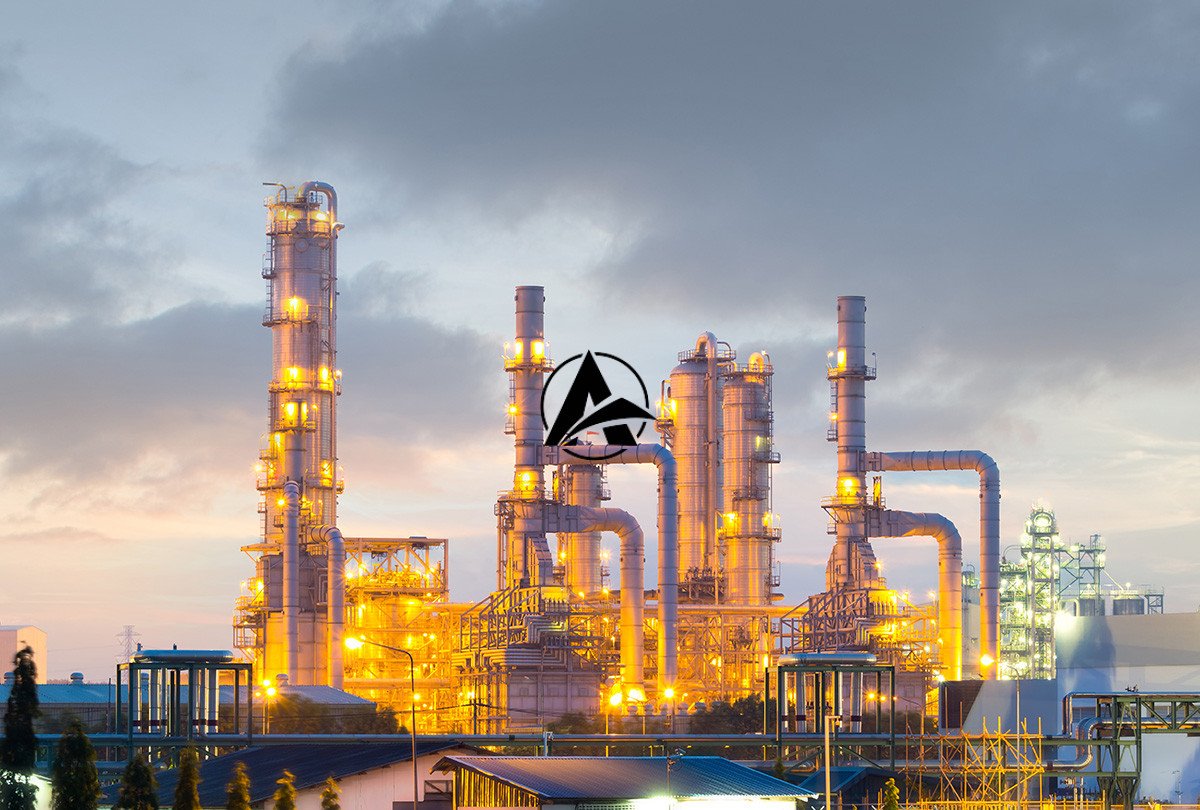

The United States, under the Trump administration, announced new sanctions on April 24. These measures specifically targeted Hengli Petrochemical, a Chinese “teapot refinery,” along with 40 other firms and vessels. Authorities imposed these sanctions for facilitating Iran’s oil sales through purchases of Iranian crude. The primary goal of these actions remains clear: to restrict Iran’s oil exports.
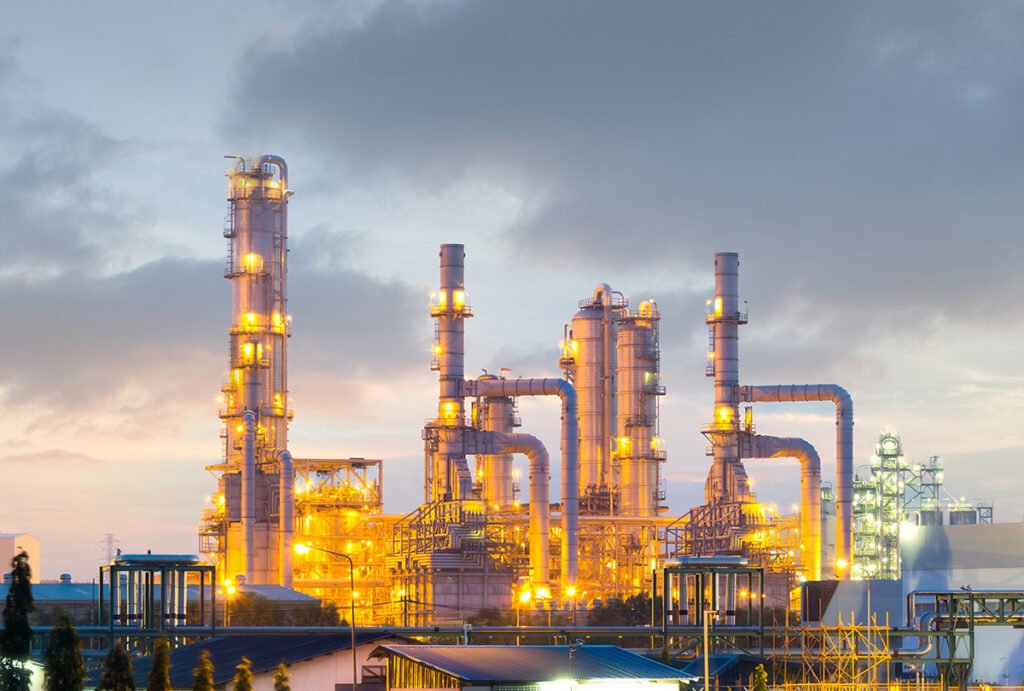
New Sanctions Imposed
Washington’s recent actions directly impact entities involved in transactions with Iran. Hengli Petrochemical, a significant player in the Chinese refining sector, received direct sanctions. This move underscores the U.S. commitment to limiting Iran’s revenue streams. Officials believe reducing Iran’s ability to sell oil will pressure its government.
Targeting Iran’s Oil Exports
The sanctions aim to curb the nation’s financial resources. By disrupting the flow of Iranian oil, the U.S. seeks to constrain Iran’s nuclear ambitions and regional activities. This strategy represents a continuation of broader efforts to exert economic pressure on Tehran. The administration has repeatedly stated its intention to bring Iran’s oil exports to zero.
Focus on Chinese Banking Sector
Experts, however, suggest a different approach might yield more significant results. They believe targeting Chinese banks would have a greater impact on Iran’s oil trade. Such a step could severely limit financial transactions supporting Iranian exports. Consequently, this could create more substantial challenges for Iran’s economy.
In line with this perspective, the U.S. has already issued warnings to two Chinese banks. Washington indicated its readiness to implement secondary sanctions against these institutions. These warnings signal a potential escalation in economic pressure. The administration continues its efforts to curtail Iran’s oil revenue, and future actions may expand to include financial institutions.
Leave a Comment