


Iran has announced the reopening of the Strait of Hormuz, a development that has immediately sent oil prices sharply lower. This significant move coincides with a ceasefire in Lebanon. While it is expected to ease global oil supply pressures, the long-term impact remains contingent on the durability of the truce.
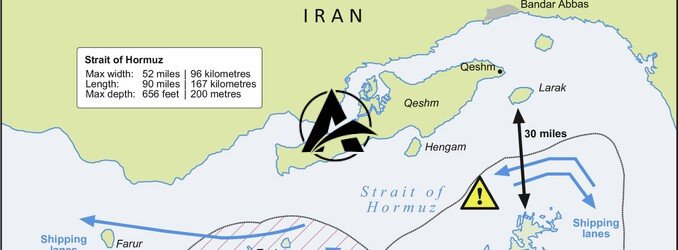
Reopening a Critical Waterway
Iran declared the Strait of Hormuz open for transit. This critical maritime passage connects the Persian Gulf to the open ocean. A substantial portion of the world’s oil supply transits these waters daily. Its operational status significantly impacts global energy markets and supply chains.
Immediate Market Reaction
Oil prices experienced a sharp decline following Iran’s announcement. Traders reacted quickly to the news, indicating market relief. The prospect of increased supply availability eased anxieties among investors. This price drop reflects immediate positive sentiment across industries reliant on oil.
Context of Regional Ceasefire
The reopening occurs amidst a ceasefire in Lebanon. This truce signals a potential de-escalation of regional tensions. Geopolitical stability often directly influences the security of major energy supply routes. The ceasefire provides a calmer backdrop for the Strait’s operations.
Broader Regional Implications
A stable ceasefire could reduce risks to international shipping in the region. It fosters an environment more conducive to trade and energy transit. This broader calm benefits global commerce and energy security.
Contingent Supply Easing
The potential easing of global oil supply pressures remains dependent on the ceasefire’s continuation. A lasting truce would allow for consistent oil transit through the Strait. Conversely, any renewed conflict could quickly reverse current market gains and reignite supply concerns. Global energy security therefore hinges on sustained regional stability.



Leave a Comment