


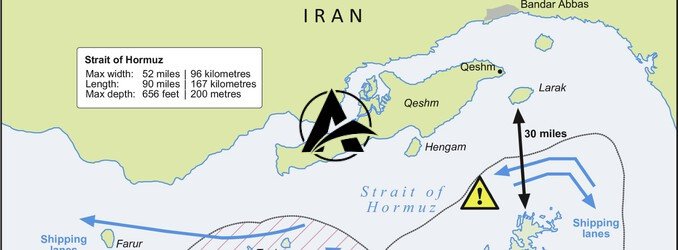
Oil and natural gas prices recently experienced a significant decline. This drop followed a ceasefire agreement between the United States and Iran. However, global energy markets maintain a cautious stance. Critical flows through the Strait of Hormuz remain largely restricted, casting a shadow over the immediate market outlook.
Market Fluctuations Post-Ceasefire
The U.S.-Iran ceasefire agreement prompted a sharp fall in both oil and natural gas prices. Investors initially reacted positively to the de-escalation of tensions. This development suggested a potential for increased stability in the region. Analysts observed immediate shifts in trading patterns following the announcement.
Ongoing Strait of Hormuz Restrictions
Despite the ceasefire, challenges persist within the vital Strait of Hormuz. This crucial waterway continues to face significant restrictions. These limitations prevent the free movement of maritime traffic. The situation highlights the complex nature of regional stability, even after a diplomatic breakthrough.
Stranded Vessels Impact Shipping
More than 800 vessels are currently stranded due to the restrictions. This backlog creates substantial logistical challenges. Shipping companies face delays, impacting delivery schedules worldwide. The inability of these ships to navigate the strait freely exacerbates existing supply chain pressures.
Supply Disruptions Continue
Ongoing supply disruptions further complicate the energy landscape. The restrictions in Hormuz directly affect the flow of crude oil and liquefied natural gas. These interruptions contribute to market volatility. Consequently, industries reliant on these commodities face continued uncertainty.
Uncertainty in Market Recovery
The pace of market recovery remains highly uncertain. While the ceasefire offered some relief, the unresolved issues in the Strait of Hormuz pose a significant impediment. Experts caution against premature optimism. They emphasize the need for sustained efforts to normalize shipping routes before a full recovery can occur.



Leave a Comment