


Oil flows through the Strait of Hormuz will likely recover slowly, even after the recent U.S.-Iran ceasefire. Analysts point to several ongoing issues. Millions of barrels of oil remain stranded in the Gulf, while shipping, insurance, and geopolitical risks continue to impede vital transit.
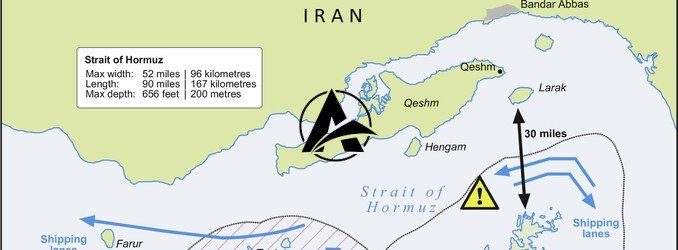
Gradual Recovery Anticipated
Industry experts predict a measured return to normal operations in the Strait of Hormuz. Despite the recent U.S.-Iran de-escalation, significant hurdles persist. These challenges collectively contribute to the slow pace of recovery for oil transit.
Persistent Obstacles to Transit
Several factors limit the full resumption of oil flows. These elements create caution for maritime operators and insurers.
Stranded Oil Volumes
Millions of barrels of crude oil remain within the Gulf region. This oil awaits safer, more viable transit options. Its movement requires overcoming logistical and security concerns.
Heightened Risks for Shipping
Shipping companies still face considerable risks navigating the Strait. These include potential security incidents and operational complexities. Many operators consequently exercise increased vigilance. Insurance premiums also remain elevated, adding to operational costs.
Geopolitical Concerns Remain
Analysts highlight ongoing geopolitical instability as a primary impediment. Despite the ceasefire, underlying regional tensions have not fully dissipated. These dynamics influence perceptions of safety and stability.
The path to full recovery for oil flows through the Strait of Hormuz appears complex. While the ceasefire provides positive development, market participants recognize the enduring nature of these challenges. Sustained stability and risk mitigation will be necessary to restore confidence and normalize transit.




Leave a Comment