

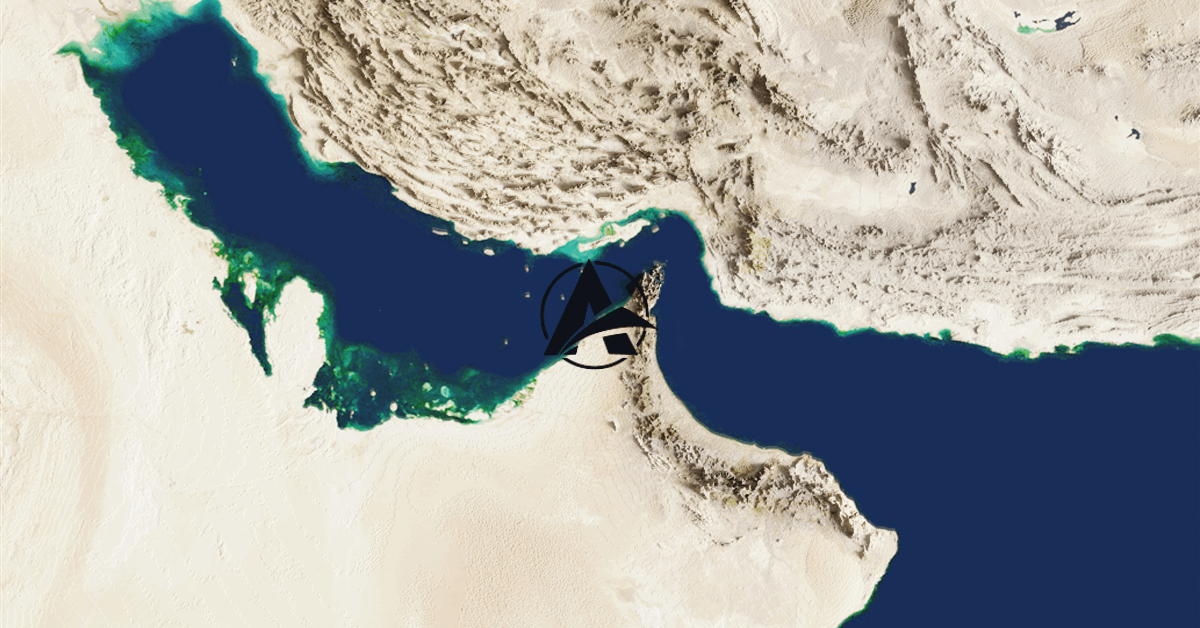

A Greek shipowner recently dispatched another oil tanker. This vessel successfully transited outbound through the strategically vital Strait of Hormuz. The passage underscores the continuous flow of global energy supplies through this critical maritime chokepoint. This particular shipowner has a history of similar operations in the region.
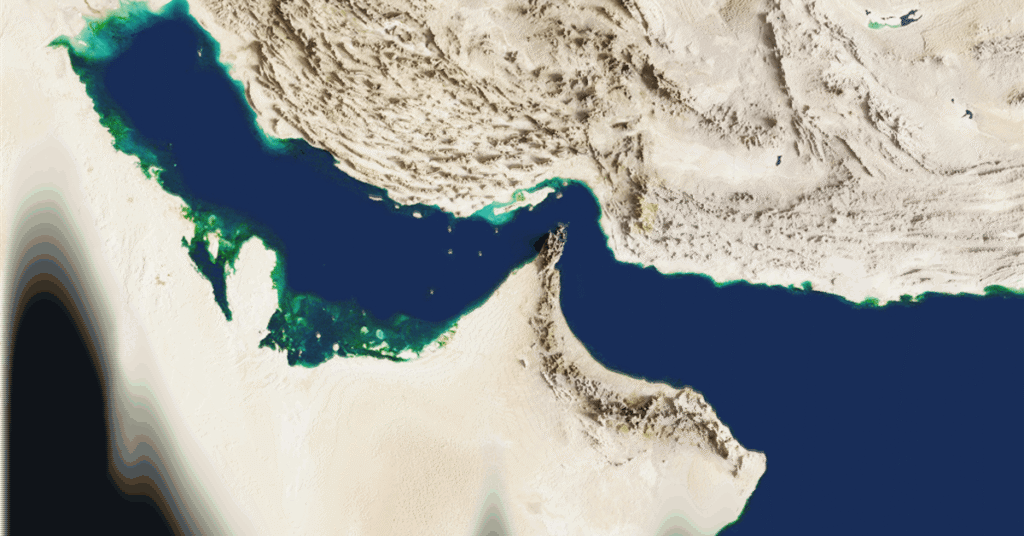
The Strategic Importance of Hormuz
The Strait of Hormuz holds immense global significance. It connects the Persian Gulf with the Arabian Sea and the open ocean. Approximately one-fifth of the world’s total oil supply passes through its waters daily. This makes it a vital artery for international energy markets. The strait is also a key route for liquefied natural gas (LNG) shipments.
A Critical Chokepoint
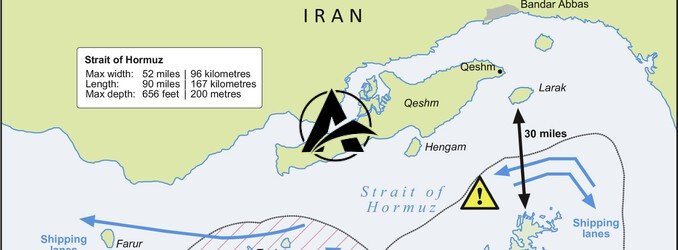
The strait is relatively narrow. At its most constricted point, it measures only about 21 nautical miles wide. Shipping lanes for inbound and outbound traffic are just two miles wide in each direction. This geographical reality makes the strait particularly vulnerable to disruption. Any significant incident could severely impact global oil prices and supply chains.
Maritime Operations and Security
Navigating the Strait of Hormuz requires careful planning. Shipowners and captains adhere to strict international maritime guidelines. They also monitor regional security advisories closely. The presence of international naval forces often provides a measure of deterrence. This contributes to safer transit for commercial vessels.
Regional Dynamics
The region surrounding the Strait of Hormuz experiences complex geopolitical dynamics. Various state and non-state actors operate in the area. Past incidents have highlighted the potential for maritime disruptions. Consequently, shipping companies prioritize safety and security measures for their crews and cargo. They implement robust protocols to mitigate risks.
Continued Energy Flow
Despite the inherent complexities, commercial shipping persists through the strait. The recent passage by the Greek-owned tanker exemplifies this ongoing activity. It represents the persistent efforts by the shipping industry to meet global energy demands. Shipowners continue to manage risks associated with transit through vital waterways. They ensure essential commodities reach their destinations.
The Strait of Hormuz remains indispensable for global energy security. Regular transits by vessels like the Greek tanker demonstrate the continuous movement of commodities. International stakeholders continue to monitor the region closely. They aim to ensure the uninterrupted flow of trade. This vigilance supports economic stability worldwide.




Leave a Comment