

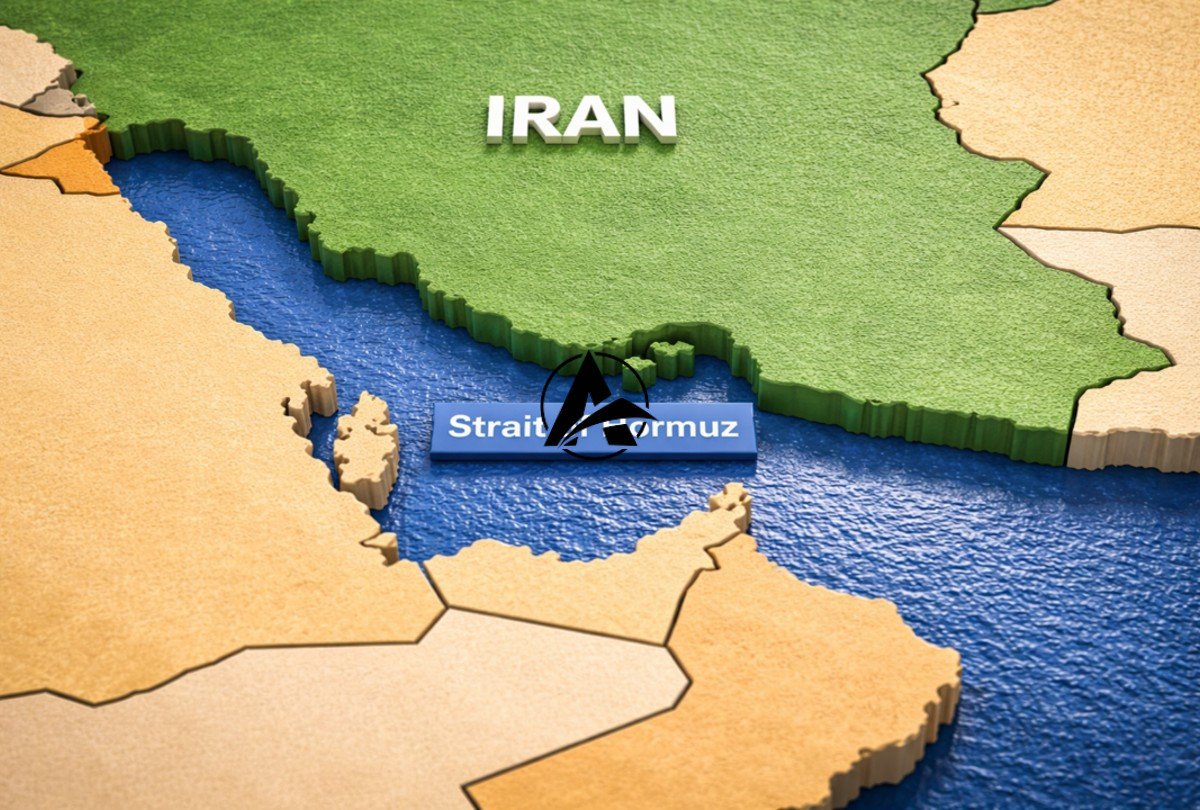

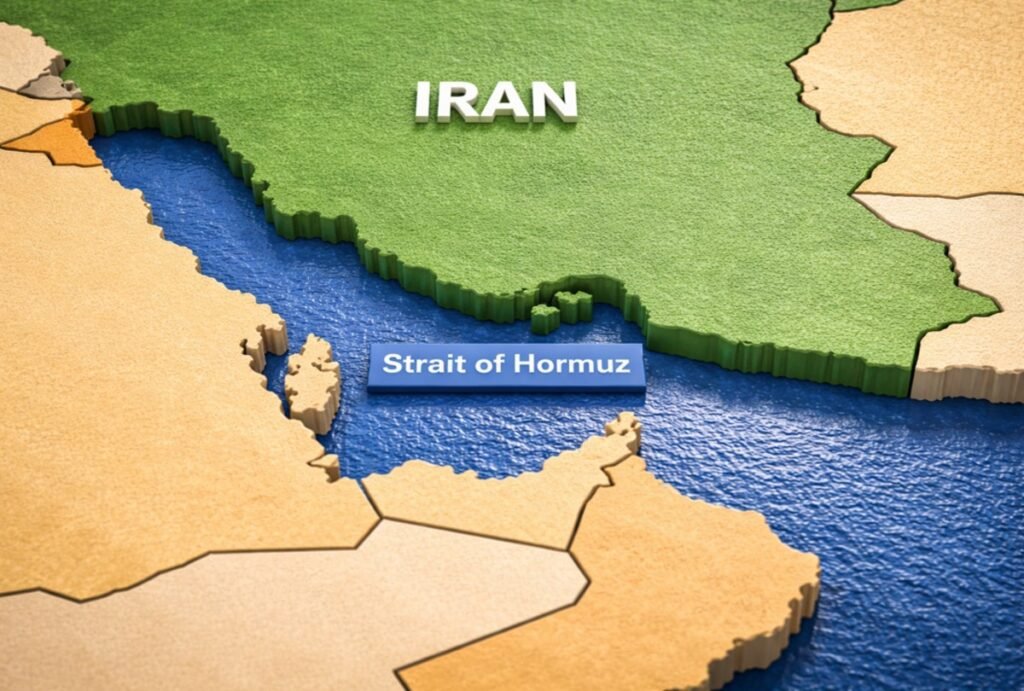
Iran is actively working to establish a new framework for maritime transit through the Strait of Hormuz. This proposed system aims to introduce approved passage for vessels, fundamentally altering access to the crucial waterway. It includes implementing fees for ships traversing the Strait. Iran would also restrict passage to only ‘non-hostile’ vessels. Tehran suggests this tightened control and revenue mechanism will endure beyond the current conflict.
Proposed Maritime Framework
Iran is developing a detailed plan for managing vessel movement. This system would require all ships seeking transit to obtain prior approval. The initiative represents a significant shift in the region’s maritime operational landscape.
Fee Implementation
Under the proposed framework, ships utilizing the Strait of Hormuz would incur specific charges. These fees aim to generate revenue for Iran. Officials have not yet specified the exact fee structure or collection methods.
Criteria for Passage
A crucial aspect of the new regulations involves vessel classification. Iran intends to limit passage exclusively to ships identified as ‘non-hostile.’ This criterion introduces a political dimension to maritime access, potentially impacting international shipping lines.
Strategic Implications
The proposed system signifies a marked tightening of Iranian control over the Strait of Hormuz. This waterway serves as a critical global chokepoint for oil shipments. Consequently, Iran’s initiative holds substantial implications for international trade and energy markets. Global maritime stakeholders are closely observing these developments.
Long-Term Intentions
Tehran has communicated its intention for this new passage system to operate indefinitely. Officials suggest its implementation will extend beyond any current regional conflicts. This indicates a permanent shift in Iran’s approach to managing the vital maritime route.
Iran’s move to establish approved passage, fees, and ‘non-hostile’ vessel restrictions in the Strait of Hormuz marks a pivotal development. This initiative could reshape maritime operations and regional dynamics significantly. The international community will monitor its progression closely.


Leave a Comment