


The United States has initiated military operations targeting Iranian positions, according to U.S. officials. These confirmed actions specifically focus near the Strait of Hormuz. Such deployments highlight growing regional tensions.
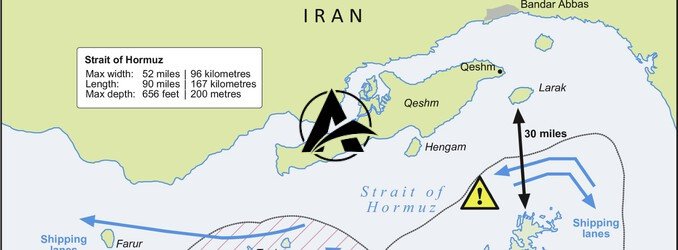
Strategic Focus: Strait of Hormuz
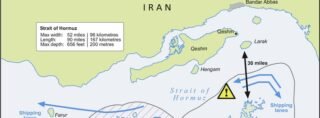
The Strait of Hormuz holds immense global importance for energy transport. It serves as a critical chokepoint for oil shipments worldwide. A significant portion of the world’s crude oil, approximately one-fifth of global consumption, passes through this narrow waterway daily.
Geopolitical Significance
This strategic location connects the Persian Gulf to the open ocean. Consequently, any instability or military activity in the region directly impacts global energy security. The current U.S. military actions underscore the strait’s volatile geopolitical role and its sensitivity to conflict.
Rising Risks to Crude Flows
Escalating conflict in the area poses substantial risks to crude oil flows. These developments threaten the consistent supply of oil to international markets. Analysts express growing concerns about potential disruptions to shipping lanes and production facilities.
Market Volatility Escalates
The situation is keeping international energy markets on edge. Heightened tensions contribute to significant volatility across commodity exchanges. Oil prices often react sharply and immediately to news from this sensitive and economically vital region, reflecting investor anxiety.
Global Economic Implications
Disruptions to crude flows could have far-reaching economic consequences globally. Industries worldwide rely heavily on stable and affordable oil supplies for operations and transport. Therefore, market observers and policymakers are closely monitoring developments for their broader economic impact.


Leave a Comment