

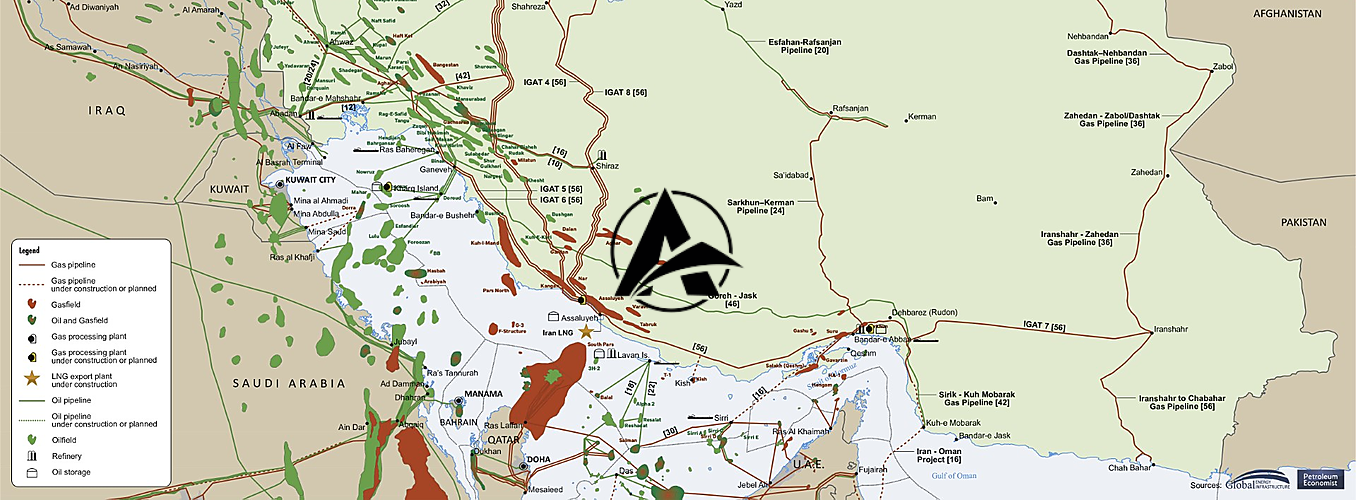

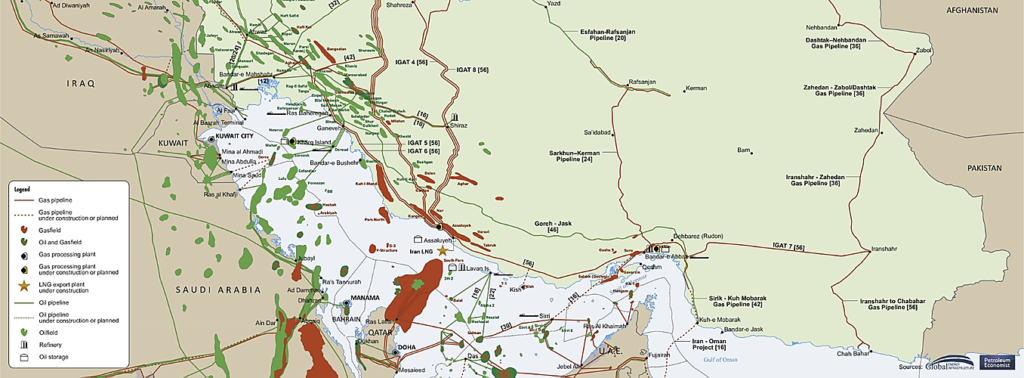
Strikes on key energy infrastructure across the Gulf region significantly surged oil and gas prices. These attacks impacted Qatar’s vital Ras Laffan LNG complex. Refineries in Saudi Arabia, Kuwait, and the United Arab Emirates also sustained hits. These incidents raise concerns among analysts regarding prolonged global supply disruptions.
Market Repercussions
Oil and gas prices climbed sharply following the attacks. This rapid increase reflects market sensitivity to supply stability. Traders reacted swiftly to news of infrastructure damage.
Supply Disruptions
Analysts voice significant concerns over potential prolonged global supply disruptions. Such interruptions could destabilize energy markets worldwide. Energy security remains a top priority.
Tighter Global Markets
Consequently, experts anticipate tighter international energy markets. The attacks reduce processing capacity and export potential. This situation pressures existing global energy supplies.
Targeted Infrastructure
The strikes targeted critical components of the Gulf’s energy network. These facilities are central to global oil and gas production. Their operational status influences international energy flows.
Qatar’s Ras Laffan LNG Complex
Qatar’s Ras Laffan LNG complex was directly impacted. This complex represents a vital hub for liquefied natural gas production. Its disruption carries significant global LNG supply implications.
Regional Refinery Impacts
Refineries in Saudi Arabia, Kuwait, and the United Arab Emirates also sustained damage. These facilities play crucial roles in processing crude oil. They provide refined products for international consumption.
The attacks created immediate financial impacts through price surges. They also foster apprehension about long-term global energy supply stability. Market observers monitor the situation closely.

Leave a Comment