


A recent survey reveals a notable increase in OPEC‘s crude oil output, primarily driven by Saudi Arabia. The production surge, totaling 640,000 barrels per day, occurred in anticipation of escalating tensions with Iran. This preemptive increase also preceded significant disruptions to tanker flows through the critical Strait of Hormuz, later impacted by regional conflict.
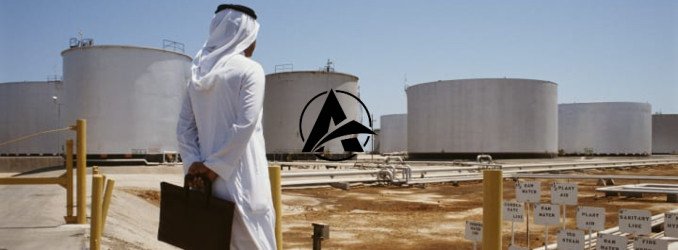
OPEC Production Surge
OPEC’s crude oil output recently experienced a substantial rise. A new industry survey confirmed this increase of 640,000 barrels per day. This brought the collective production figures higher across the organization. Analysts closely monitored the timing of this significant boost.
Saudi Arabia’s Driving Role
Saudi Arabia emerged as the principal force behind this production increase. The kingdom significantly boosted its own crude oil output. This strategic move positioned Saudi Arabia as the primary contributor to OPEC’s overall rise. Furthermore, it underscored the nation’s capacity to influence global oil supplies.
Anticipating Geopolitical Tensions
The decision to increase production occurred ahead of heightened geopolitical concerns. Specifically, producers anticipated escalating tensions involving Iran. Regional instability often prompts such preemptive actions in the oil market. Oil-producing nations closely monitored the evolving political landscape.
Context of Regional Conflict
This production increase unfolded as regional dynamics intensified. Concerns over potential disruptions to oil transit routes grew. Saudi Arabia’s actions reflected a strategy to ensure market stability during uncertain times. Consequently, global markets observed these developments closely.
Impact on Strait of Hormuz
The production surge also preceded significant disruptions to shipping. Tanker flows through the vital Strait of Hormuz later faced considerable challenges. Regional conflict subsequently caused these disruptions. The Strait of Hormuz represents a crucial chokepoint for global oil shipments, handling a substantial portion of the world’s seaborne crude.
Producers aimed to mitigate potential supply shocks. The timing of the output increase suggested a strategic response. This move sought to stabilize supply chains before widespread impacts materialized. Therefore, the survey findings offer insight into proactive measures taken by major oil producers.


Leave a Comment