

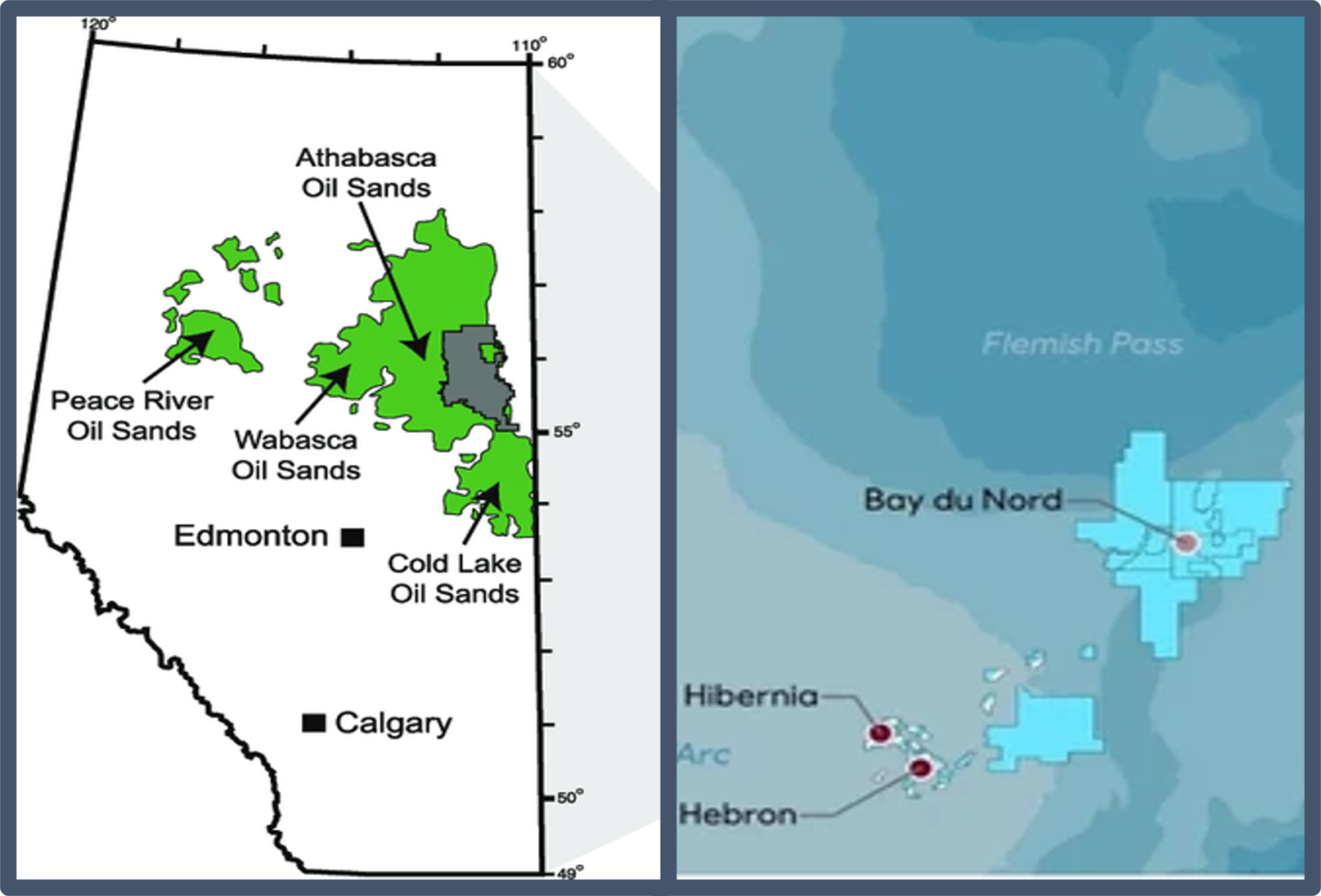

A central point of discussion in Canada’s energy sector, highlighted by Ron Wallace and Tammy Nemeth, concerns a notable disparity. Two Canadian oil projects exist, yet only one faces a “targeted oil decarbonization” requirement. This selective application of environmental policy raises questions about consistency and market impact.
Selective Decarbonization Requirements
Ron Wallace and Tammy Nemeth have analyzed a situation involving two distinct Canadian oil projects. Significantly, only one of these two projects faces a mandate for “targeted oil decarbonization.” This specific requirement creates an uneven playing field. It prompts industry observers to question the rationale behind such differentiated environmental obligations.
Industry Leaders Express Concerns
Industry leaders are voicing significant concerns regarding the commercial implications of a specific Memorandum of Understanding (MoU). Bryan Gould, Executive Chairman of Aspenleaf Energy, critically stated, “Investors can’t ignore the commercial constraints imposed by the MoU.” He emphasized the real-world financial impact on project viability.
MoU’s Impact on Free Market Principles
Gould further expressed apprehension that the MoU “does not address the key federal barriers that preclude a free-market approach to the energy industry.” He argues that these unaddressed barriers hinder fair competition. Consequently, the MoU limits the industry’s ability to operate efficiently.
Unstable Regulatory Environment
The Aspenleaf Energy Executive Chairman noted that these crucial federal barriers have become “conditional, reversible, or deferred.” This description indicates an unstable regulatory landscape for energy investments. Such an environment creates uncertainty for long-term planning and capital deployment.



Leave a Comment