


U.S. Energy Secretary Chris Wright recently attributed the current surge in oil prices to a temporary “fear premium.” He explained that the ongoing conflict involving Iran primarily drives this premium. Additionally, disruptions to shipping through the crucial Strait of Hormuz significantly contribute to market apprehension.
Understanding Market Dynamics
Secretary Wright’s assessment highlights how geopolitical events directly influence energy markets. A “fear premium” essentially represents an added cost in commodity prices. Traders incorporate this cost due to perceived risks of supply disruptions. These risks often stem from political instability or potential military actions in key production or transit regions.
Geopolitical Factors Impacting Supply
The conflict involving Iran has introduced considerable uncertainty into global oil supplies. Iran is a major oil producer. The broader regional tensions create a volatile environment for oil operations and exports. Consequently, market participants anticipate potential supply reductions or interruptions.
Strait of Hormuz Vulnerabilities
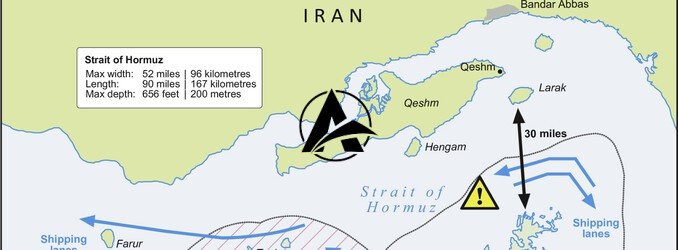
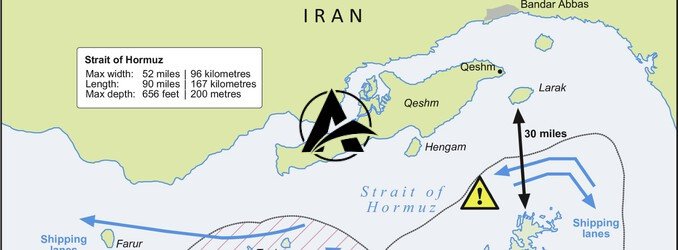
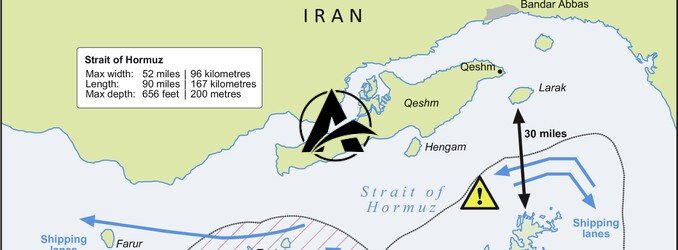
The Strait of Hormuz represents a critical chokepoint for global oil transit. A substantial portion of the world’s seaborne oil passes through this narrow waterway daily. Any threat or actual disruption to shipping in the Strait immediately raises concerns. Such events can severely impact crude oil availability on international markets. This drives up prices.
Wright characterized the current price surge as temporary. He suggested that once the immediate fears subside, this premium could diminish. However, the market remains sensitive to ongoing developments in the region.
Leave a Comment