



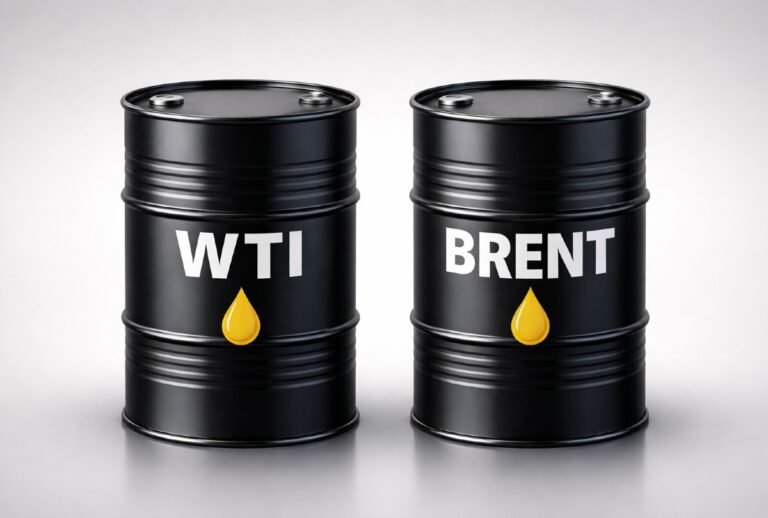
U.S. crude oil futures experienced a notable surge on Friday. West Texas Intermediate (WTI) climbed more than $10 a barrel, surpassing the $90 mark. This price level for WTI represents a high not observed since September 2023. Concurrently, Brent crude also reached $90 a barrel, a benchmark it had not touched since April 2024.

Market Performance Highlights
The global oil market saw significant upward movement. WTI, a key U.S. crude benchmark, recorded a substantial increase. Its rise over $10 pushed it past the $90 threshold. This marked the highest point for WTI in several months.
Specific Price Milestones
Analysts noted WTI’s return to levels last seen in September of the previous year. Similarly, Brent crude, an international benchmark, achieved a price of $90 per barrel. This specific price point for Brent had not occurred since April 2024. These movements reflect a dynamic period for energy markets.
Geopolitical Factors Driving Increases
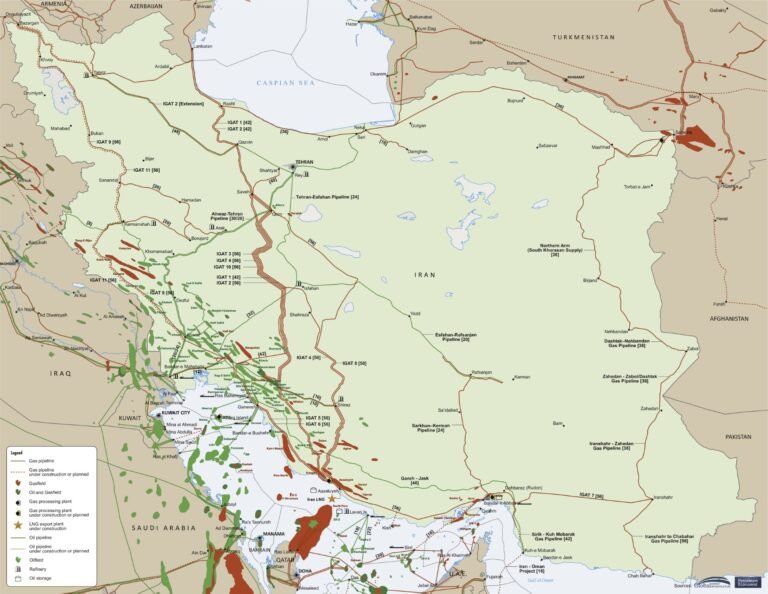
Escalating geopolitical tensions involving Iran primarily drive these substantial increases in oil prices. Market observers closely monitor developments in the Middle East. Concerns about potential disruptions to oil supply routes influence trader behavior. This uncertainty contributes significantly to market volatility.
Stakeholder Reactions and Warnings
Amidst these market shifts, former President Donald Trump commented on rising gasoline prices. He stated he was unconcerned by the increases. However, Qatar’s energy minister issued a more cautious outlook. The minister warned that oil prices could potentially climb further, possibly reaching $150 a barrel. Such a rise would have significant global economic implications.
The current upward trend in crude oil prices reflects a complex interplay of supply, demand, and geopolitical risk. Energy markets remain sensitive to international events. Traders and consumers alike will continue to monitor developments closely. Future price movements depend heavily on the evolving geopolitical landscape.
Leave a Comment