


The Middle East faces sudden, severe oil supply disruptions. The U.S.-Israeli conflict with Iran drives this situation. Buyers globally now aggressively secure every available barrel.
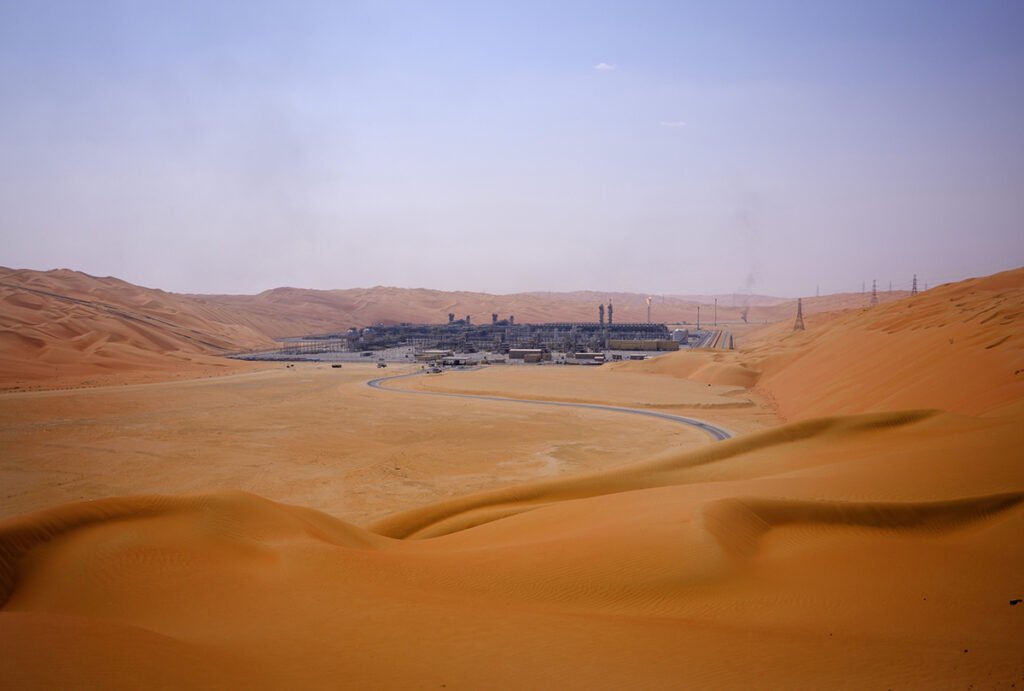
This acute disruption rapidly dismantles earlier forecasts of an oil glut for the current year. In February, the International Energy Agency (IEA) projected global oil supply would exceed demand by approximately 3.7 million barrels. Current events, however, signal an impending supply crunch, Bousso and Reuters report.
Regional Supply Challenges
Geopolitical tensions directly impact Middle East oil production and distribution. The conflict reduces the region’s consistent oil supply capacity. Consequently, fewer barrels reach the global market, forcing consumers to adjust rapidly.
Market Forecasts Re-Evaluated
Energy analysts re-evaluate previous market predictions. Dynamic shifts render earlier forecasts obsolete, highlighting volatility. The IEA’s February forecast of a 3.7 million barrel surplus vanished. Market indicators now point towards a potential oil supply crunch, underscoring geopolitical sensitivity.
Aggressive Buyer Response
Oil buyers globally react swiftly, aggressively pursuing every available barrel. This urgent procurement strategy reflects concerns over future availability and price stability. Companies mitigate risks.
The current scramble for oil marks a significant departure from earlier expectations. Geopolitical developments could introduce further market volatility.




Leave a Comment