

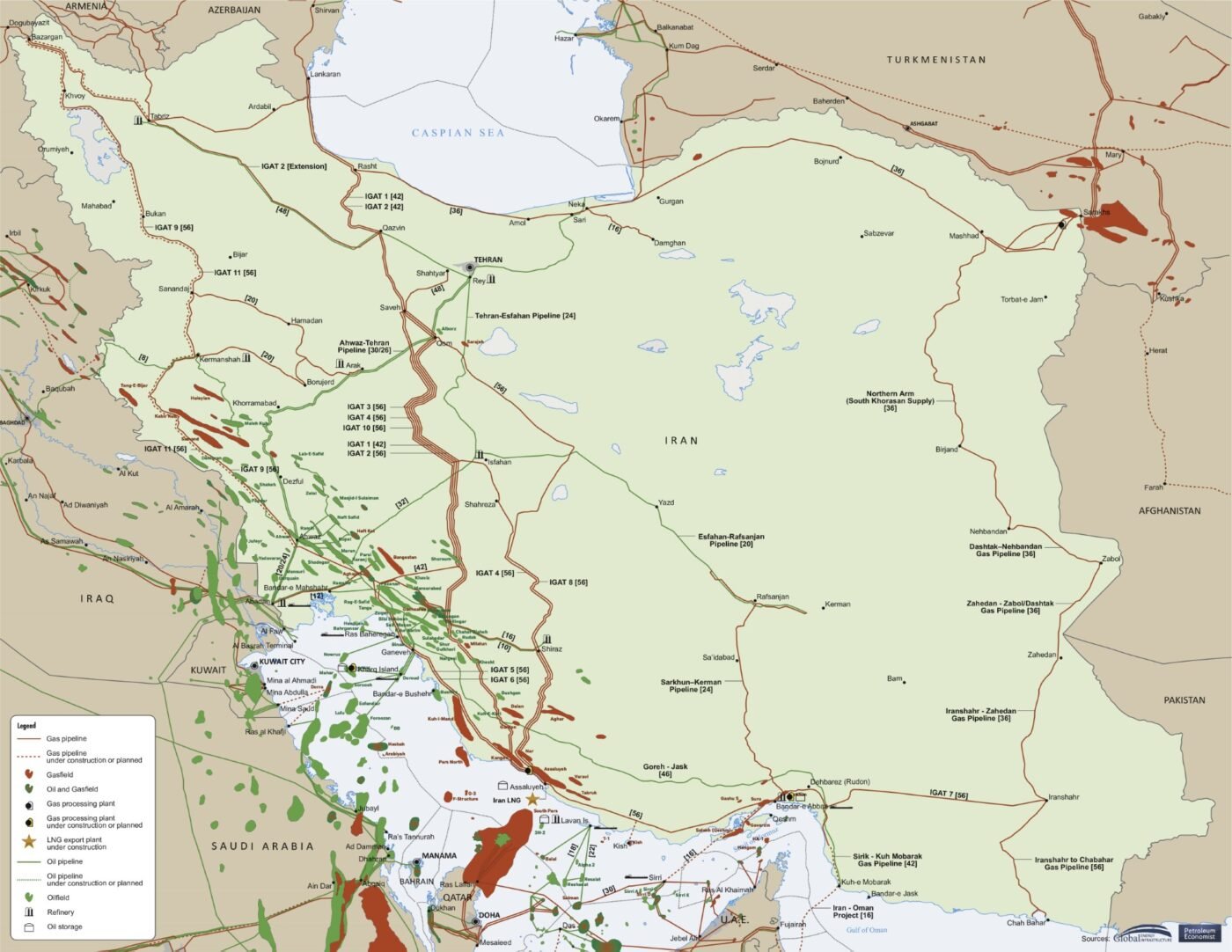

Asia is grappling with a deepening energy crisis. Widespread fuel shortages and significant price spikes characterize the situation. Severe disruptions in the Strait of Hormuz directly cause this escalating problem. These disruptions have halted crucial oil shipments from the Middle East.
Geopolitical Impact on Supply Chains
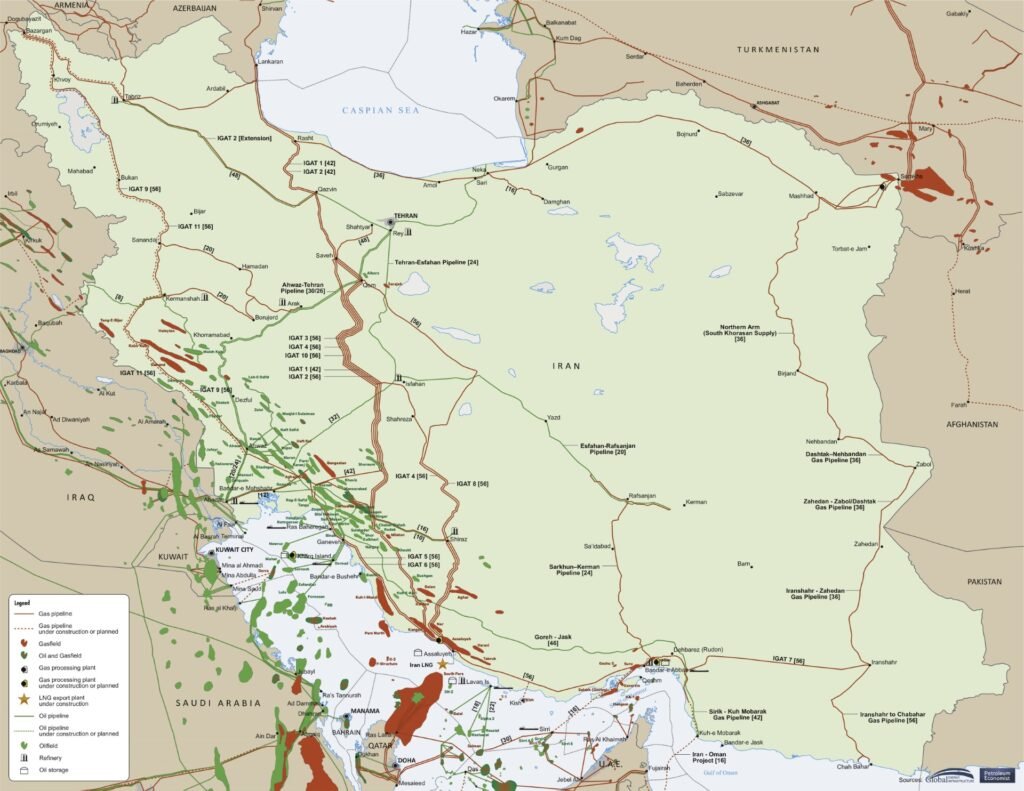
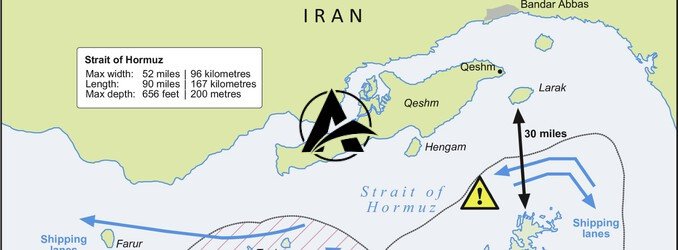
Ongoing Middle East conflict links to these disruptions. This conflict directly impacts the Strait of Hormuz. Consequently, the region experiences a halt in vital oil shipments. The Strait acts as a critical maritime chokepoint for global energy trade.
Crucial Chokepoint
Millions of barrels of oil pass through this narrow waterway daily. Its disruption immediately impacts global supply. Asian economies heavily rely on these continuous shipments. The current situation highlights their vulnerability.
Regional Responses to Shortages
In response, refiners and governments across Asia implement various measures. They restrict fuel exports to conserve domestic supplies. This action aims to mitigate the immediate impact of the shortages. Several nations have already initiated these restrictions.
Considering Strategic Reserves
Furthermore, some nations actively consider releasing strategic fuel reserves. This measure seeks to stabilize market prices. It provides a crucial buffer against severe supply shocks. Governments assess their reserves for potential deployment.
The unfolding crisis underscores the vulnerability of global energy supply chains. Asian leaders continue monitoring developments closely. They explore further options to ensure long-term energy security for their populations.


Leave a Comment