



Global oil prices experienced a significant surge recently. An escalation of conflict, particularly involving Iran, drove this sharp increase. Market analysts attribute these movements to heightened geopolitical tensions in the region.

The conflict’s escalation introduced considerable uncertainty into global energy markets. Iran’s involvement specifically raised concerns about regional stability. These developments directly threatened established oil supply chains.
Impact on Supply Routes
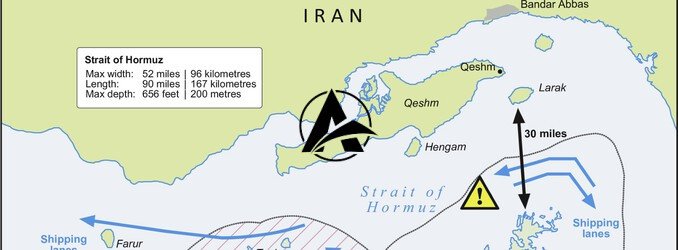
Shipping through the Strait of Hormuz faced significant disruptions. This critical waterway handles a substantial portion of the world’s seaborne oil exports. Consequently, any interruption here directly impacts global supply and tanker traffic.
The Strait’s strategic importance means even minor incidents can trigger major market reactions. Concerns about the safety of transit routes quickly translated into higher insurance premiums. This further tightened the supply outlook.
Effects on Processing Facilities
Beyond shipping routes, refinery operations also experienced interruptions. These disruptions occurred in key processing facilities within the affected region. Such events further constrained the availability of refined petroleum products globally.
Operational halts at refineries reduce the capacity to process crude oil into usable fuels. This dual impact—on both raw crude transport and its processing—magnified the overall supply shock. Authorities are monitoring the situation closely.
Market Reaction
The combination of these disruptions collectively fueled the sharp rise in crude oil prices. Traders reacted swiftly to the unfolding situation, pushing benchmarks higher. This immediate market response reflects widespread apprehension regarding future supply stability.
Analysts suggest that sustained tensions could keep prices elevated. Global energy markets are interconnected, meaning regional conflicts have far-reaching economic consequences. Investors are closely watching geopolitical developments.




Leave a Comment