

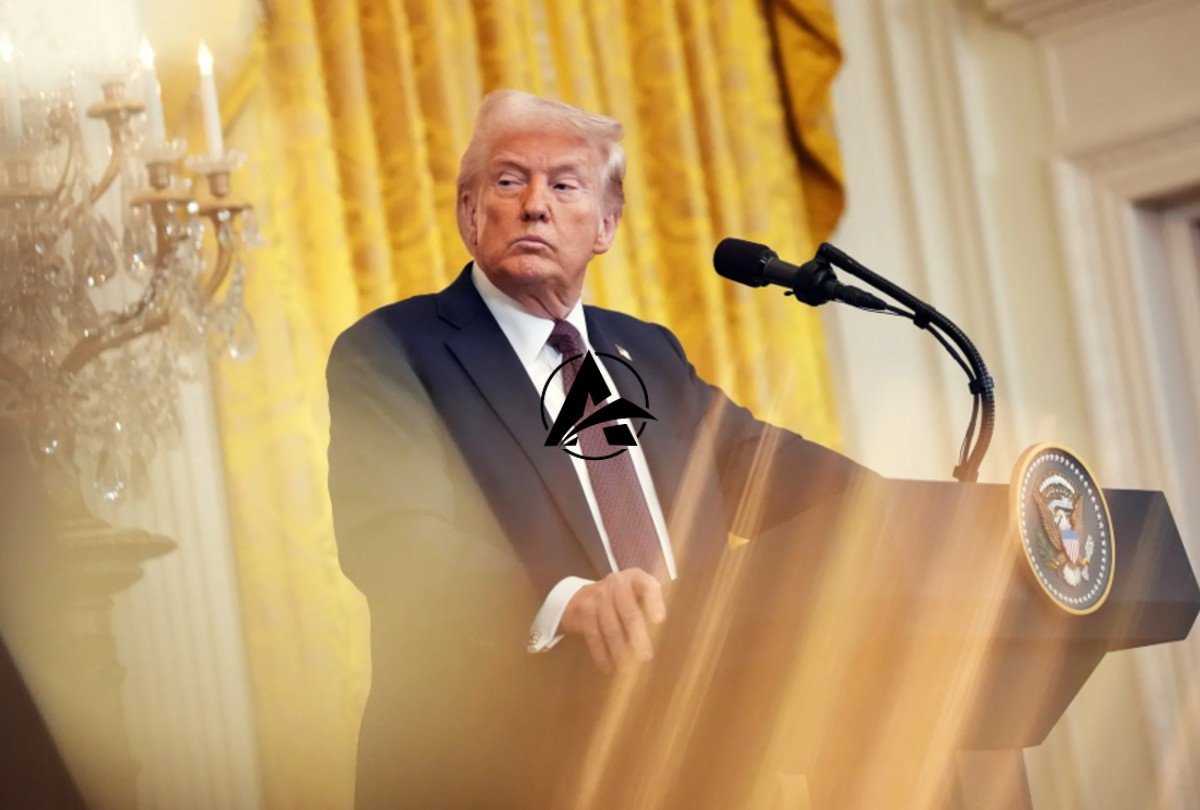

The U.S. Congress is preparing for a significant vote, potentially as early as next week. This legislation aims to restrict President Donald Trump’s authority to launch military strikes against Iran without prior congressional approval. Lawmakers across the political spectrum express growing concerns regarding potential unilateral action.
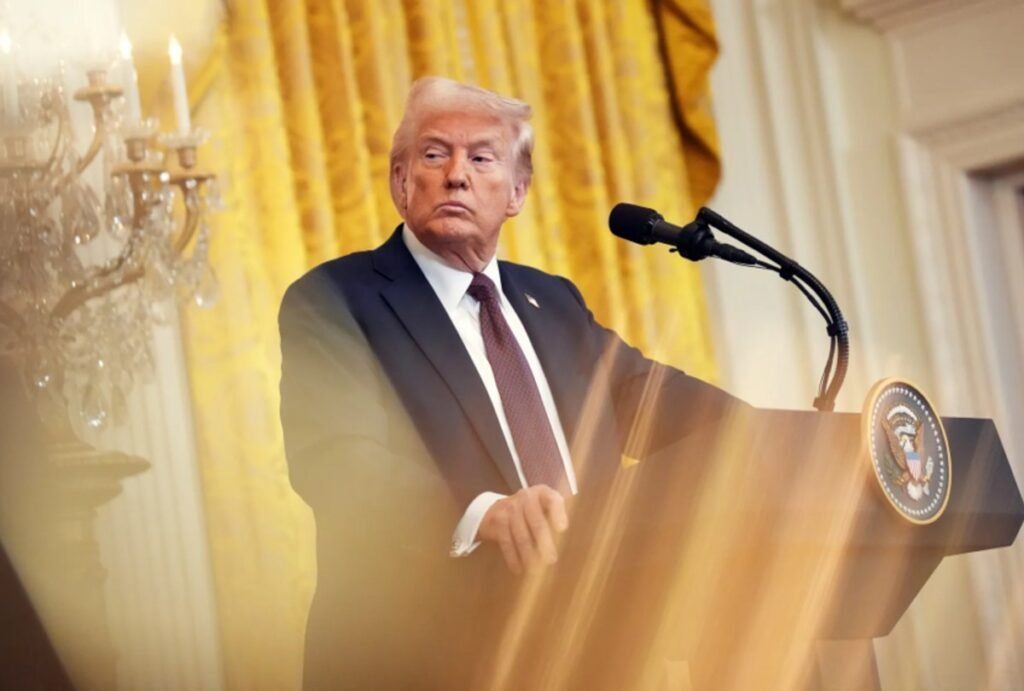
This legislative push occurs amidst heightened tensions between the United States and Iran. The U.S. military is actively preparing for a potential serious conflict with Iran. This readiness remains contingent on the failure of diplomatic solutions.
Congressional Action on War Powers
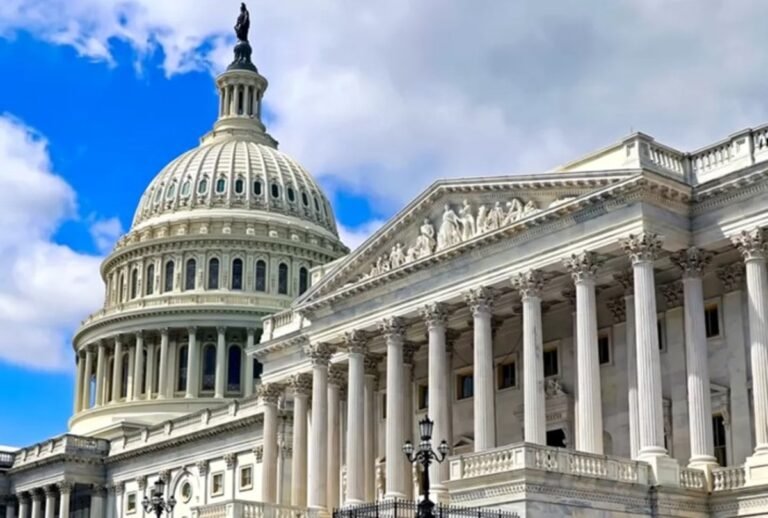
Members of Congress are moving swiftly to assert their constitutional role in declaring war. The proposed vote seeks to ensure that any future military engagement with Iran receives direct approval from the legislative branch. This action reflects a desire to prevent executive overreach in matters of national security.
The upcoming vote could serve as a crucial test of congressional will. Lawmakers aim to establish clear boundaries for presidential military action. Consequently, the debate focuses on the balance of power between the executive and legislative branches regarding military engagements.
Escalating Tensions with Iran
The backdrop to this congressional effort is a period of increased friction in the Middle East. U.S. military planners are developing contingencies for various scenarios. They are preparing for a serious conflict if current diplomatic efforts do not yield results.
Recent events have underscored the volatility of the region. Both sides have taken actions perceived as provocative. Therefore, the military’s preparations reflect a cautious approach to potential escalation, prioritizing readiness in an uncertain environment.
Bipartisan Support for Oversight
The initiative to curb presidential war powers has garnered broad support. Members from both major parties, including some Republicans, back the measure. This bipartisan consensus highlights widespread concern over the potential for unintended conflict.
These lawmakers share a common goal: preventing an unauthorized military confrontation. They believe Congress must exercise its oversight responsibilities. This shared sentiment drives the legislative effort forward, despite other political divisions.




Leave a Comment