


Title: Philippines Advances Renewable Energy with New Solar Projects
The Department of Energy (DOE) in the Philippines announced a new pipeline of renewable energy projects. This forms part of its ongoing 10-year renewable energy auction program. It marks a significant step in the nation’s clean energy transition.
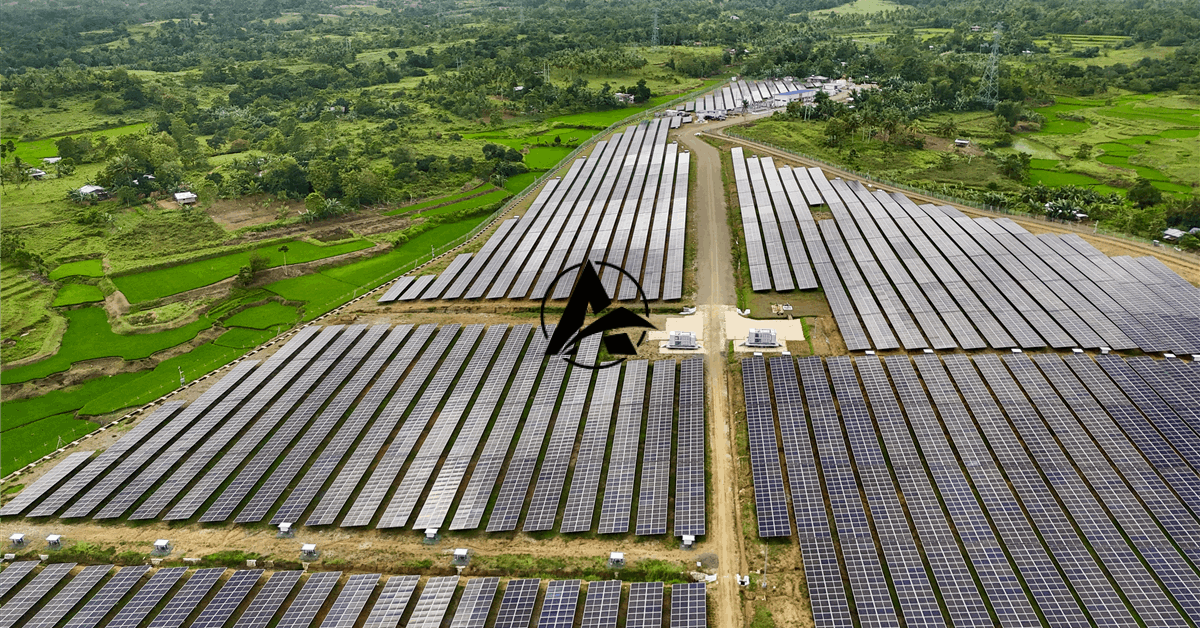
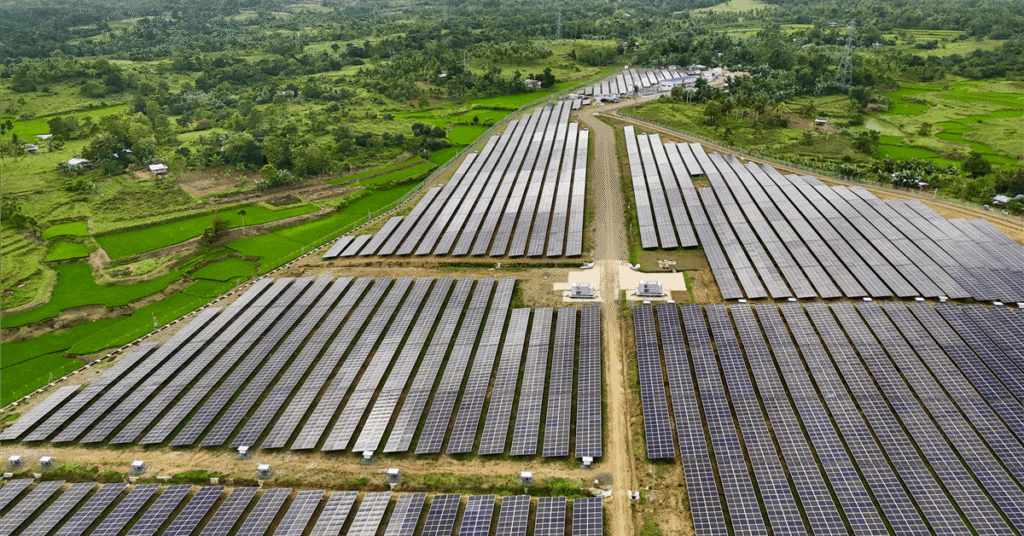
These plans target over 3,200 megawatts (MW) of ground-mounted solar capacity. Developers will construct these projects between 2027 and 2028. This contributes to the country’s long-term renewable energy goals.
Expanding Renewable Energy Capacity
The project awards aim to boost the Philippines’ clean energy infrastructure. This move underscores government commitment to diversifying power sources. Officials anticipate these developments will play a crucial role.
Project Scope and Timeline
The DOE identified over 3,200 MW of ground-mounted solar capacity for development. This target highlights government ambitions. Construction will occur in 2027 and 2028. This timeline provides a clear roadmap.
Auction Program’s Role
These awards fall under the DOE’s 10-year renewable energy auction program. The program seeks investments in sustainable power generation. It allocates capacity to qualified developers. This ensures a steady stream of new renewable projects.
National Energy Strategy
The Philippines consistently works towards a sustainable energy future. This announcement aligns with national energy policy. It reinforces efforts to reduce fossil fuel reliance and supports energy security.
Goals for Clean Energy
The nation aims to increase its renewable energy share. These new solar projects represent a vital component of that strategy. They move the country closer to clean energy targets. The government prioritizes environmental sustainability.
Future Outlook
Successful project implementation will solidify the Philippines’ position as a growing renewable energy market. It demonstrates a clear commitment to sustainable development. Future auction phases may introduce additional capacities. This shapes the country’s energy landscape.



Leave a Comment